Colorado has broadened its cottage-food law. House Bill 26-1033—the so-called "Tamale Act"—raises the annual sales cap for home cooks from $10,000 to $150,000 and allows refrigerated prepared foods such as tamales, burritos and tortas to be sold directly to consumers. Sellers must register with the Colorado Department of Public Health and Environment, and foods may be transported up to two hours with a single transfer. The law takes effect January 1, 2027.
Colorado’s ‘Tamale Act’ Lets Home Cooks Sell Prepared Foods and Raises Annual Cap to $150,000
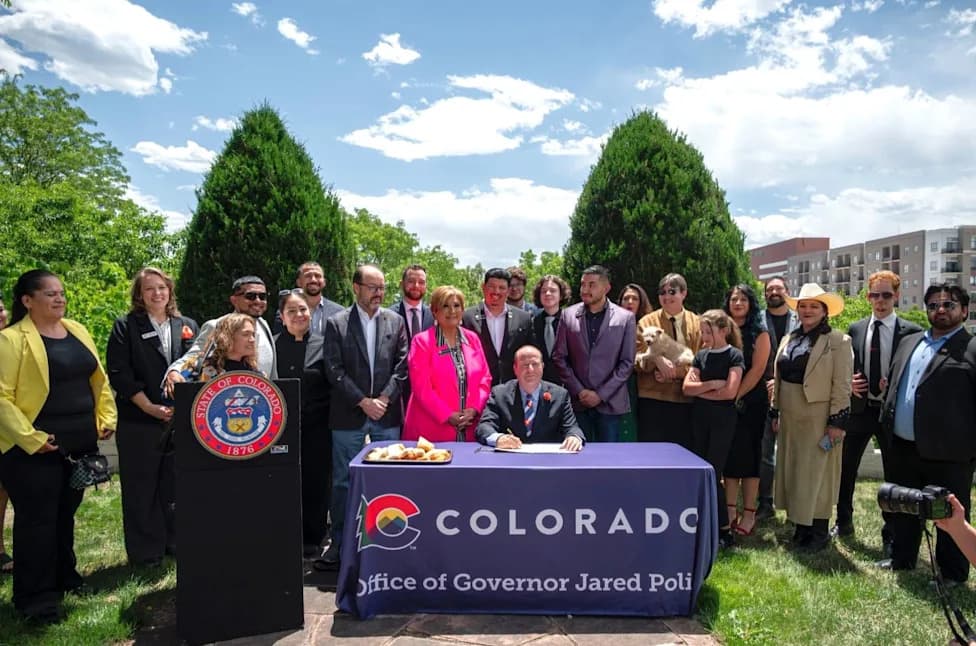
Photo Credit: Governor Polis
In June, Colorado Gov. Jared Polis signed House Bill 26-1033—widely nicknamed the "Tamale Act"—expanding what home-based cooks may sell from their kitchens. The law sharply raises the annual revenue cap for cottage-food sellers from $10,000 to $150,000 and explicitly allows prepared, refrigerated items such as tamales, burritos and tortas to be sold directly to customers.
Key Rules and Requirements
The statute permits direct sales from a cook to a customer without requiring access to a commercial kitchen, as long as the food is transported for no more than two hours and is transferred to the buyer only once during that trip. Producers must register with the Colorado Department of Public Health and Environment before making sales; the department will issue registration numbers and maintain an electronic registry of cottage-food sellers.
"Producers must register with the Colorado Department of Public Health and Environment before making sales. The department will issue registration numbers and maintain an electronic registry of cottage-food sellers." — Law Commentary
Why It Matters
Previously, cottage-food rules mostly covered shelf-stable baked goods, jams and dry mixes. By permitting certain refrigerated prepared meals, Colorado opens new opportunities for entrepreneurs whose family or cultural specialties did not fit older regulations. The higher revenue threshold makes it easier for side businesses to scale, reduces the need to rent expensive commercial kitchens, and may strengthen local food networks and cultural food representation.
Context and Broader Trends
The change takes effect on January 1, 2027. Sponsored by State Representatives Ryan Gonzalez and Monica Duran and State Senators Robert Rodriguez and Byron Pelton, the amendment arrives amid broader state and market pressures that shape food access—rising ingredient costs (such as recent tomato-price shocks in parts of Colorado), evolving food-packaging rules in other states, and public-health concerns like PFAS that have prompted regulatory proposals nationwide.
By lowering certain regulatory barriers and clarifying rules for refrigerated prepared foods, the law aims to expand economic opportunities for home cooks while balancing public-health safeguards through registration and time/transfer limits.
Help us improve.