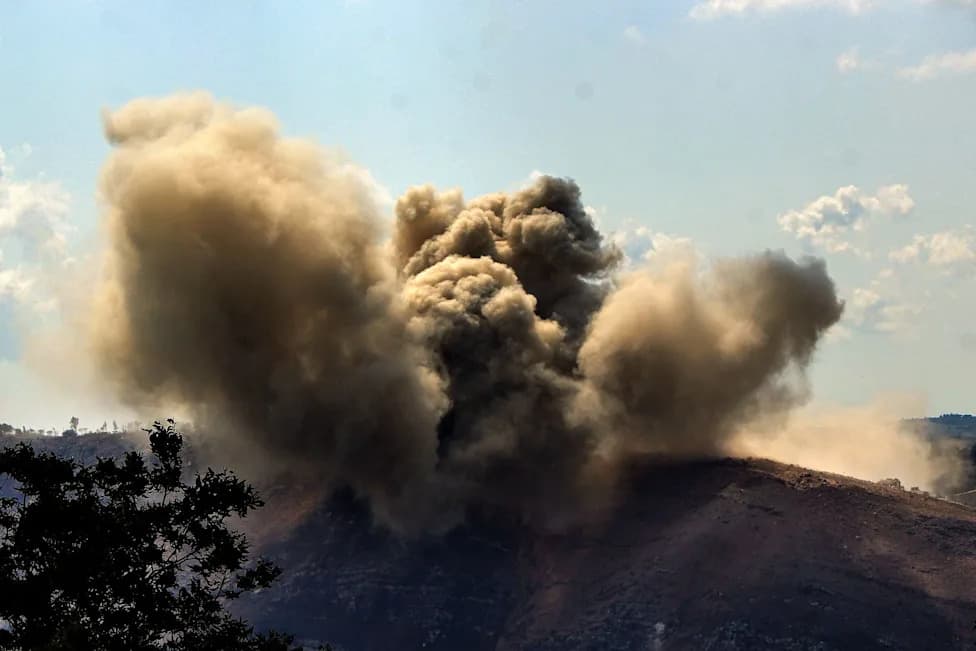
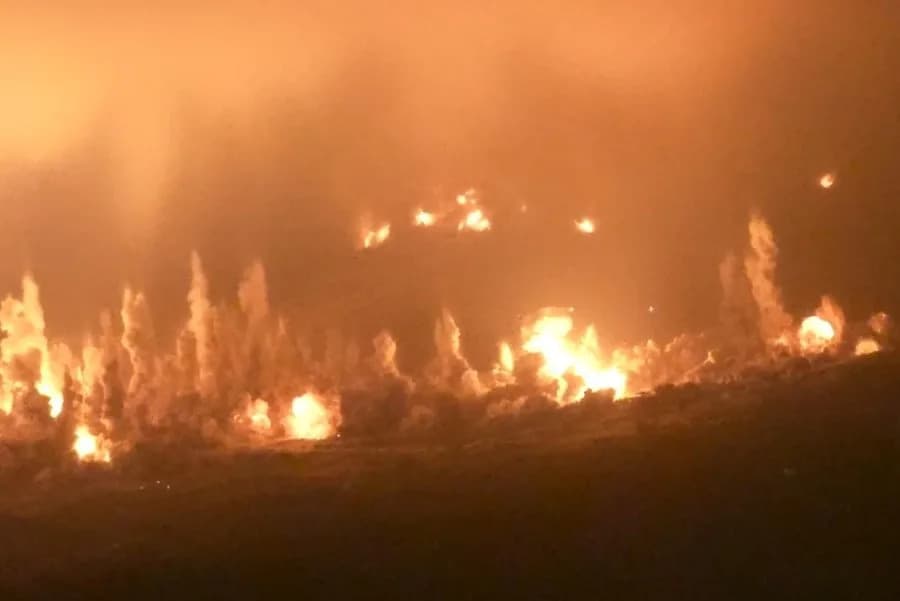
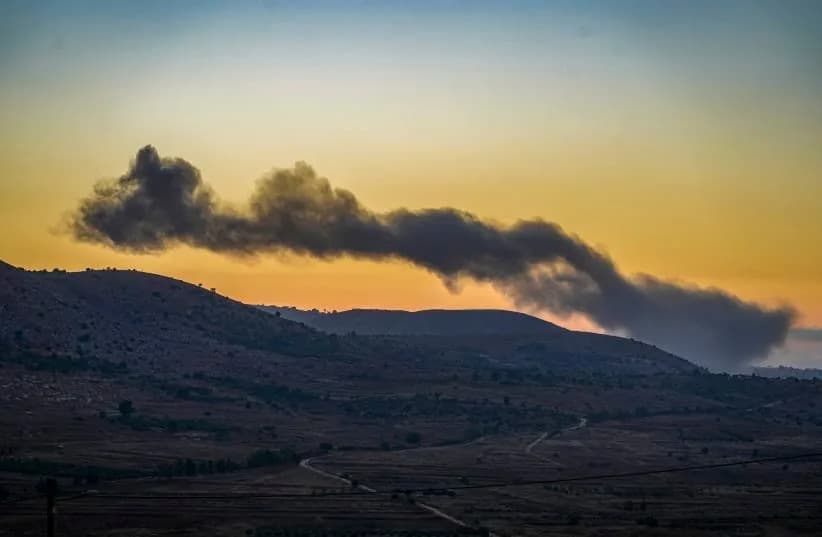
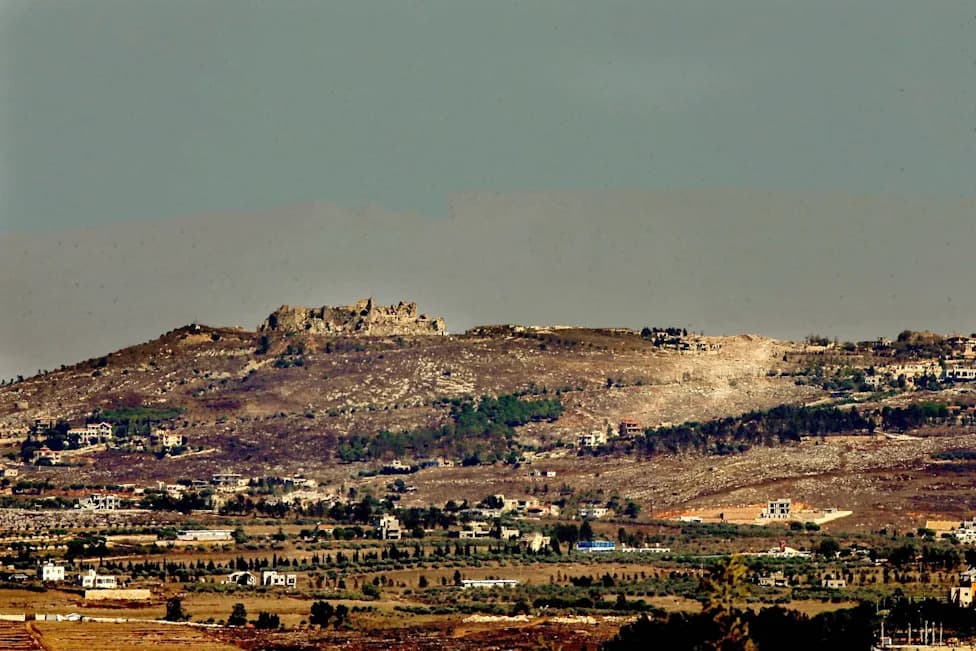
The Israeli military says it has destroyed underground positions used by the Iranian-backed Hezbollah militia on the Ali al-Taher ridge in southern Lebanon, Prime Minister Benjamin Netanyahu and Defence Minister Israel Katz announced on Thursday.
Operation and Official Claims
In a joint post on X, the ministers said the operation completes "the consolidation of the security zone in southern Lebanon." The Israeli military posted on Telegram that, after extensive preparations, forces destroyed an underground infrastructure around the strategically positioned ridge.
Officials claimed the complex extended for more than two kilometres and that inside the subterranean network they found dozens of Iranian-made rockets, missiles and drones, along with machine guns, anti-tank missiles and hundreds of mines and explosive devices. The military also said it located a command centre, weapons depots and living quarters that allowed fighters to remain underground for extended periods.
Local Reports And Impact
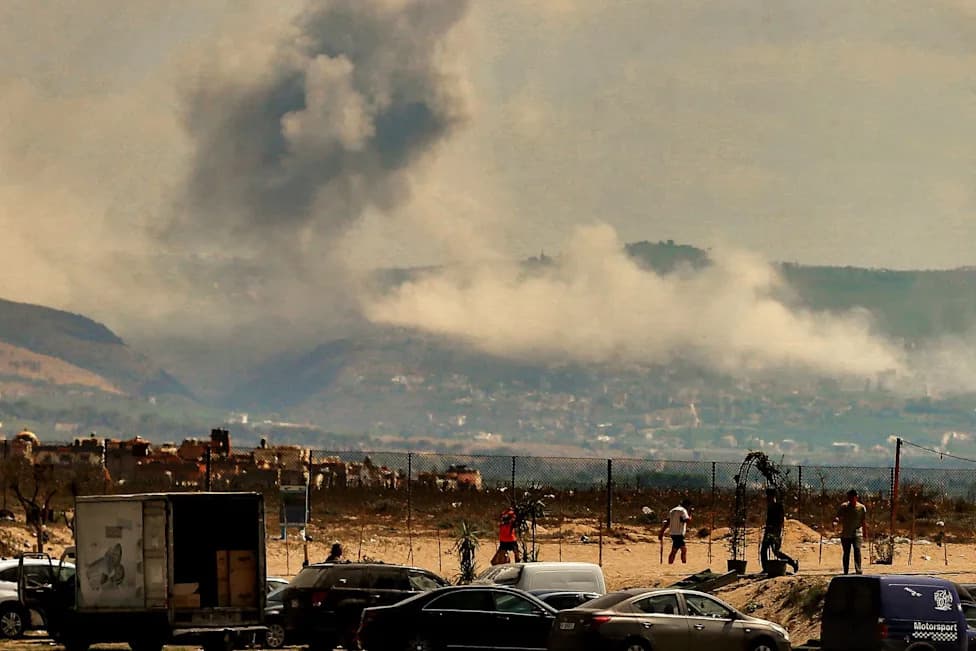
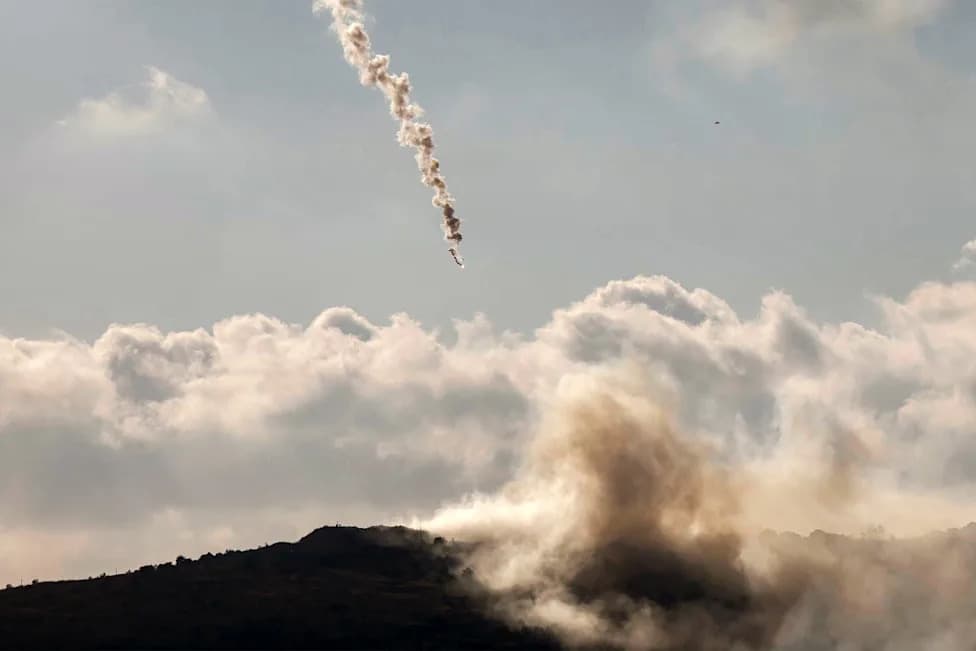
The mayor of nearby Nabatieh, Abbas al-Din, described a very powerful explosion near the ridge; tremors were reported across southern Lebanon and as far away as Beirut, about 70 kilometres distant. Residents compared the sensation to a minor earthquake.
"Strategic terror infrastructure"
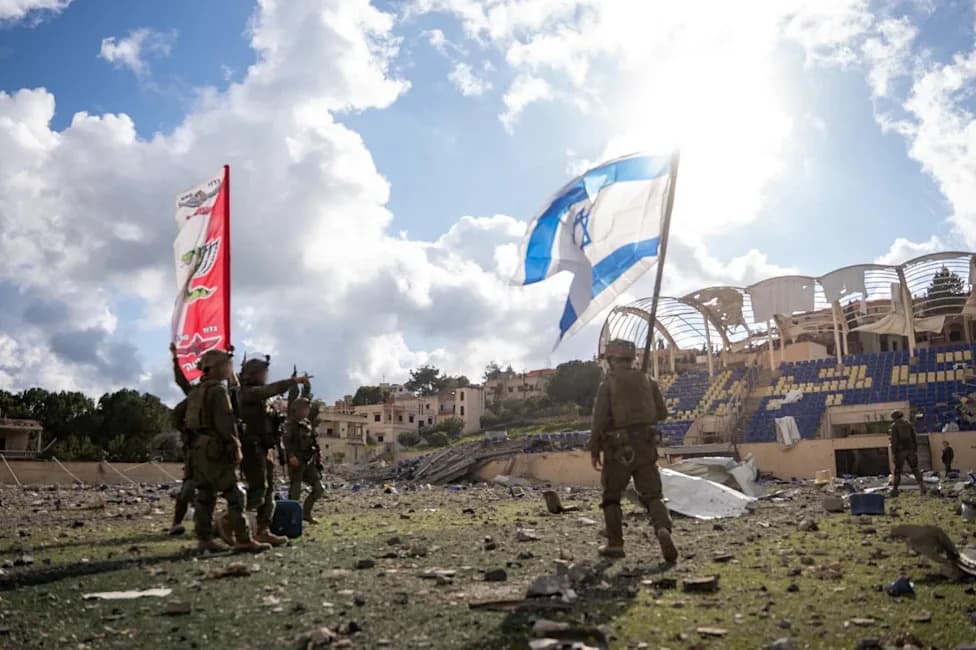
Netanyahu and Katz described the site as "strategic terror infrastructure" they say was built over two decades with Iranian funding. They added that Israeli troops would remain in the area to deter any return by hostile forces and to continue destroying terrorist infrastructure within the security zone.
Context And Caveats
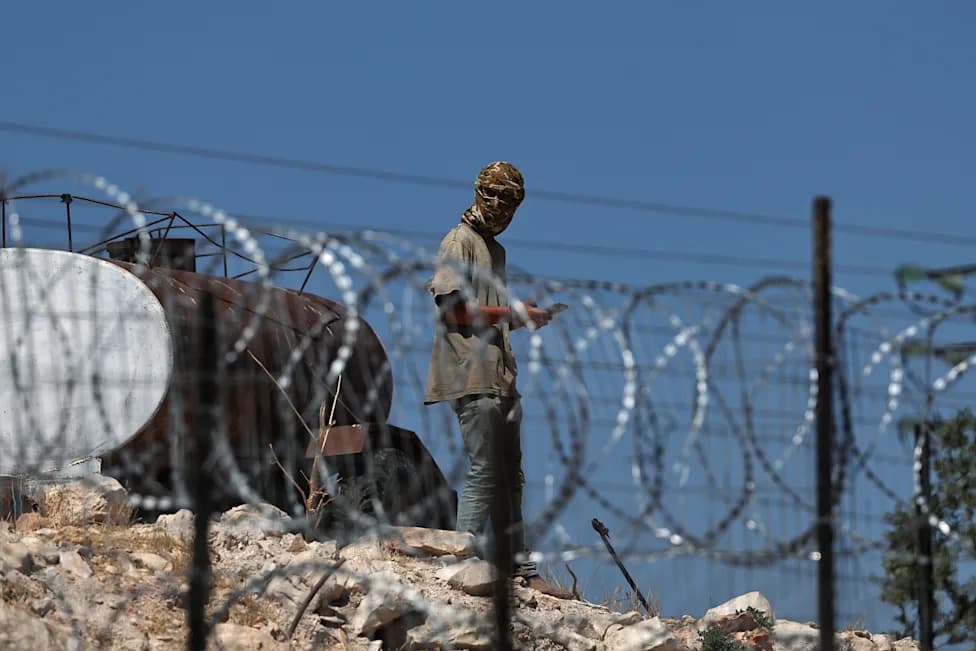
The Ali al-Taher ridge is considered strategically important because it overlooks large parts of the surrounding region; it has been a contested flashpoint in the Israel–Hezbollah confrontation and has seen repeated clashes in recent months. Israeli media reported Hezbollah fighters had been entrenched there for weeks before the operation.
Independent verification of the Israeli military's claims is not available. Lebanese authorities had no immediate confirmation of the strikes at the time of the announcements. Despite a nominal ceasefire, Israel and Hezbollah frequently accuse each other of violations, and Israeli forces remain active in southern Lebanon.
What Happens Next: Israeli forces say they will continue to operate within the security zone to prevent reoccupation and to target remaining infrastructure they identify as a threat.