Karyann Parkinson of Williamsburg was convicted of contributing to the delinquency of a minor after allowing her 5-year-old son to walk roughly half a mile alone in their gated neighborhood; a security guard stopped the child and authorities were notified. She received a six-month suspended jail sentence and separately faces a substantiated child-welfare finding that placed her family on Virginia's Abuse and Neglect Registry for seven years. Virginia law (§ 16.1-228) exempts some age-appropriate independent activity from being labeled neglect, but courts must weigh age, maturity and actual danger. Parkinson is appealing both the criminal conviction and the registry decision.
Virginia Mother Receives Suspended Sentence After Letting 5-Year-Old Walk Half Mile, Prompting Debate Over Childhood Independence

Image Credit: Inside Edition / YouTube.
Karyann Parkinson of Williamsburg, Virginia, was convicted of contributing to the delinquency of a minor after allowing her 5-year-old son, Samuel, to walk about half a mile alone in their gated Ford's Colony neighborhood to collect goose feathers. The short outing on June 5 ended when a security guard, acting on a neighbor's report, stopped Samuel and brought him home. Police and Child Protective Services responded the same day.
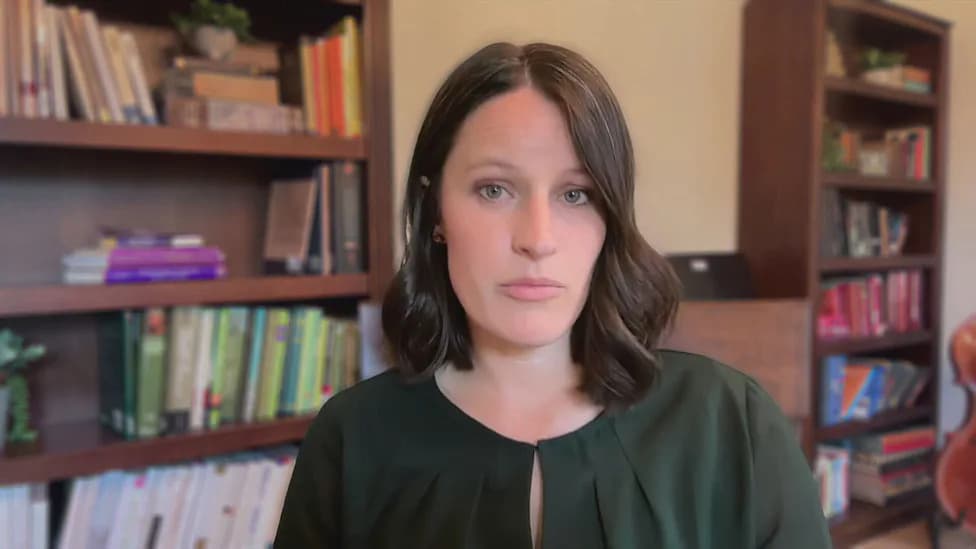
Parkinson told CBS News she had taken Samuel to the pond earlier that morning and, after returning from a walk, permitted him to go back by himself. "I gave him permission to go," she said. "I told him, 'Go there. Come right back.'" According to reporting, Samuel knew the route and his parents had taught him street-crossing skills and to seek help from neighbors if needed.
Court Ruling and Sentence
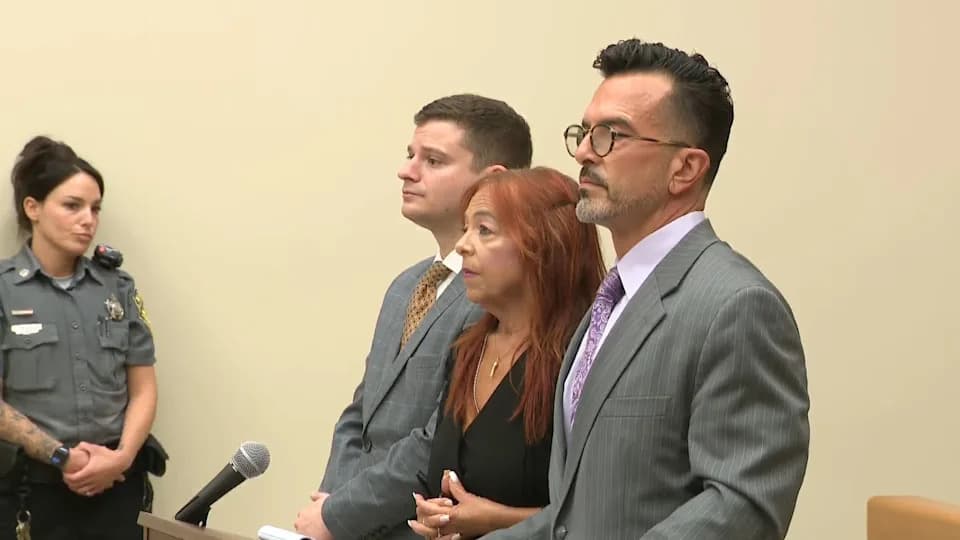
On June 18, authorities returned with a warrant for Parkinson's arrest. She was tried in Williamsburg and James City County Juvenile and Domestic Relations District Court and convicted of contributing to the delinquency of a minor. The judge imposed a six-month suspended jail sentence after Parkinson declined a "withheld finding," which would have required her to concede that the evidence was sufficient for a guilty finding while keeping the misdemeanor technically pending. Parkinson says she refused because she does not believe her parenting choice should be criminalized.
Child-Welfare Finding and Registry Placement
Separately, the James City County Department of Social Services made a substantiated finding of abuse or neglect, which Parkinson says placed both her and Samuel on Virginia's Abuse and Neglect Registry for seven years. According to CBS, that registry placement can bar Parkinson from volunteering in her son's classroom until he reaches sixth grade. Officials emphasize that the criminal conviction and the child-welfare determination are distinct processes.
Relevant Virginia Law
Prosecutors charged Parkinson under Virginia's contributing-to-delinquency statute, § 18.2-371, which includes causing a condition that renders a child "abused or neglected as defined in § 16.1-228." Virginia Code § 16.1-228 explicitly states that a child is not automatically considered abused or neglected simply because a parent allows age-appropriate independent activity. The statute lists examples — traveling to nearby places on foot or by bicycle, playing outdoors, and staying home alone for a reasonable period — but also makes clear that the child's age, maturity, ability and the level of danger must be assessed in each case.
Broader Reaction and Appeal
The case has attracted national attention and sparked debate about how much independence parents should allow young children and when authorities should intervene. Parkinson says she has heard from other parents who faced similar scrutiny. Her attorney, Andrew Gordon, acknowledged differing opinions about the parenting decision but argued that the conduct should not be treated as a crime. Parkinson is appealing both the criminal conviction and the substantiated social-services finding.
"I think that, ideally, we have a conversation, we see that a kid is confident and capable, and we leave it at that," Parkinson told CBS.
This case raises questions about how laws and child-welfare policies apply to everyday parenting decisions and where the line is drawn between reasonable independence and neglect.
Help us improve.