Kerala records roughly 40 snake rescues daily, largely handled by 2,952 certified volunteers through the SARPA app. Since August 2020, SARPA has logged 105,696 sighting reports and 87,708 rescues, including species protected under Schedule I and II. Volunteers typically work unpaid and cover travel costs; officials are considering travel allowances, insurance and provision of snake-catching kits. The programme highlights the role of trained rescue and careful relocation in balancing public safety and conservation.
Kerala Logs Nearly 40 Snake Rescues Daily — 2,952 Volunteers Work Free Through SARPA
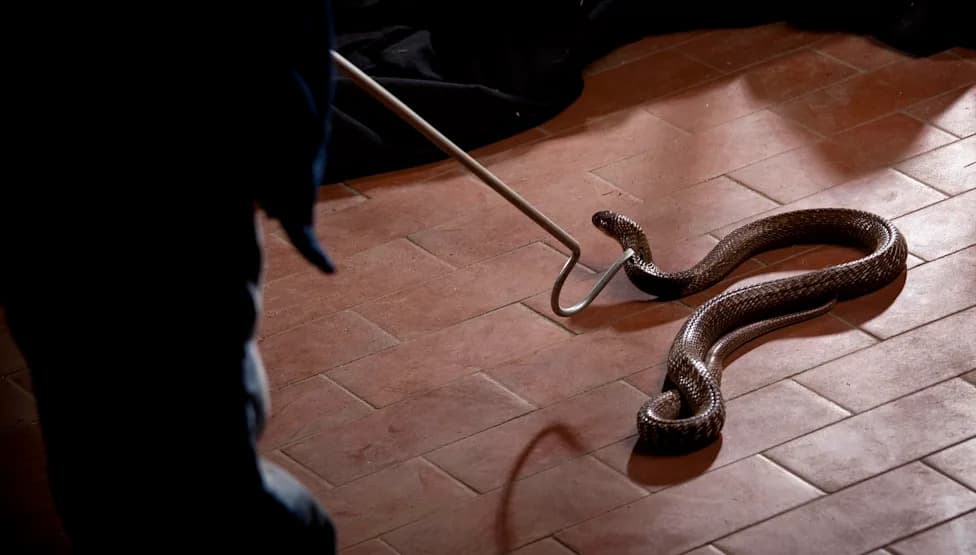
Photo Credit: iStock
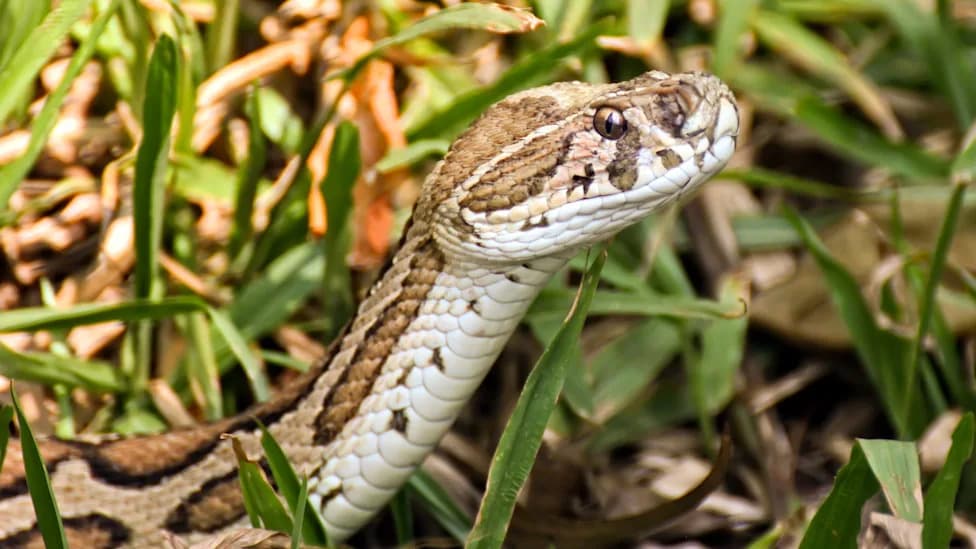
Kerala, a densely settled state in southern India, handles around 40 snake-rescue calls each day — most of them answered free of charge by a large volunteer network coordinated through the state’s SARPA system.
SARPA (Snake Awareness, Rescue and Protection Application) connects residents who spot snakes to trained, certified rescuers who capture and relocate the animals to safe, appropriate habitat. Launched in August 2020, the programme has become the cornerstone of Kerala’s response to rising human–snake encounters.
Scale and Impact
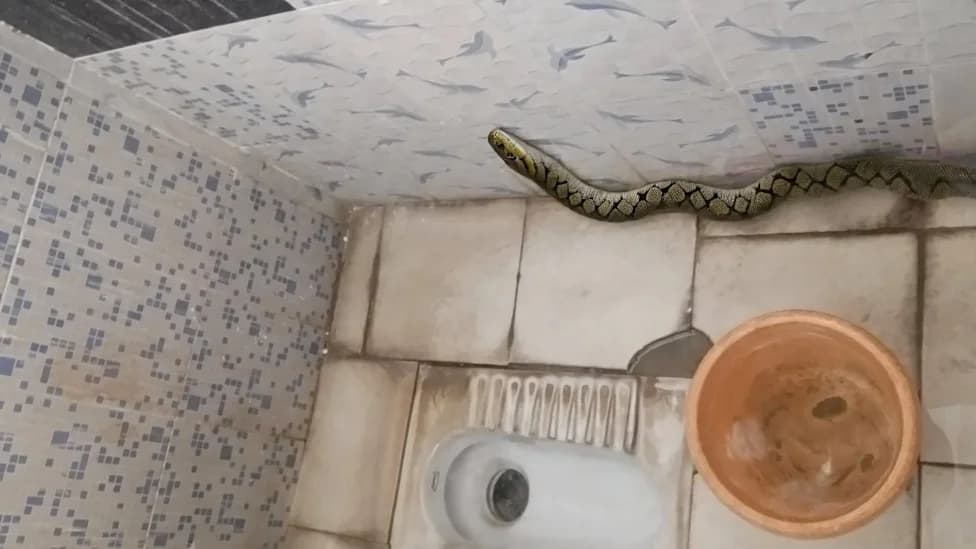
According to forest department figures, SARPA has recorded 105,696 sighting reports and 87,708 rescues since its inception. A statewide network of 2,952 certified volunteers responds to calls that often arrive from homes, yards, kitchens, vehicles and storerooms. Some of the animals handled are species protected under Schedule I and II of the Wildlife Protection Act.
Volunteer Effort and Challenges
Volunteers routinely travel to unfamiliar locations, sometimes confront venomous snakes, and cover their own travel expenses while providing the service at no cost to the public. Forest department officials say the state is exploring additional support measures — including a travel allowance, an insurance scheme that reflects on-the-job risks, and provision of snake-catching kits for rescue teams.
Mission SARPA nodal officer Muhammad Anvar Yunus said: "Keralam's dense settlements and proximity to natural habitats mean encounters with snakes are common. A snake inside a house or compound can trigger fear and attempts to kill it. Through SARPA, residents alert the rescue network; a certified volunteer reaches the spot, captures the snake and relocates it to a suitable habitat. The system has helped shift focus from eliminating snakes to managing encounters safely."
A volunteer from Palakkad told The New Indian Express: "We are taught to rescue a snake scientifically and without risk. However, there is still some risk involved while dealing with venomous snakes. We also request providing snake-catching kits to all certified volunteers."
Broader Context
Similar rescue and relocation efforts are underway elsewhere as human populations expand into wildlife habitat and global temperatures rise — trends that can increase snake activity and the risk of snakebite. Examples range from cobra removals inside Indian homes to rescue efforts for pythons and monitor lizards in Southeast Asia, and conservation releases of threatened snakes in the United States.
Takeaway: Kerala’s SARPA shows how organized, community-driven rescue operations can reduce conflict, protect public safety and support wildlife conservation — but volunteers need better support, equipment and risk protection to sustain the effort.
Help us improve.