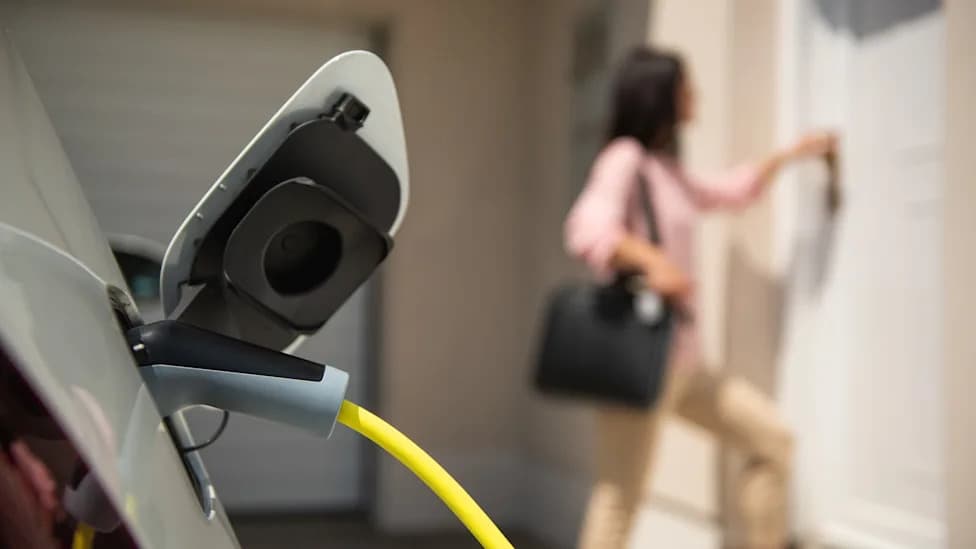
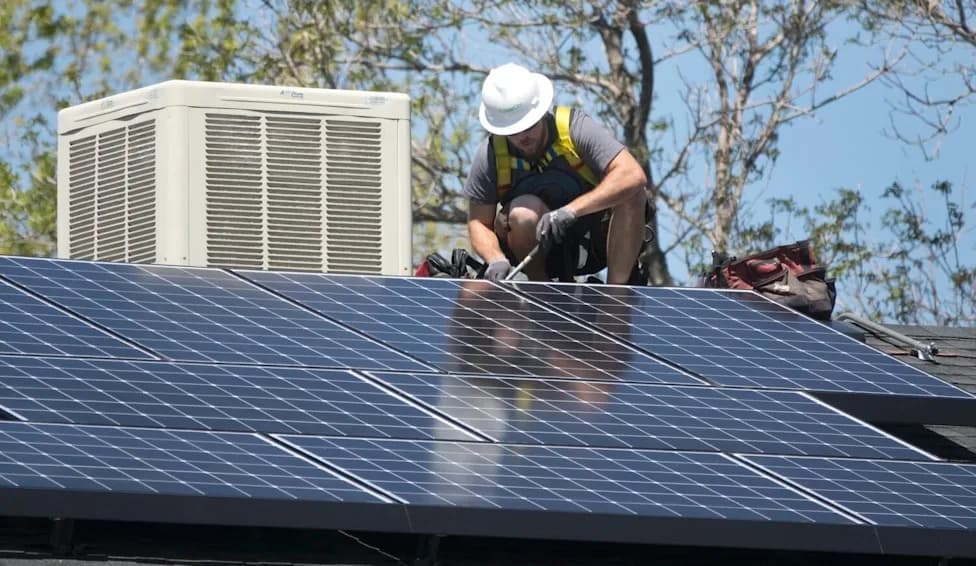
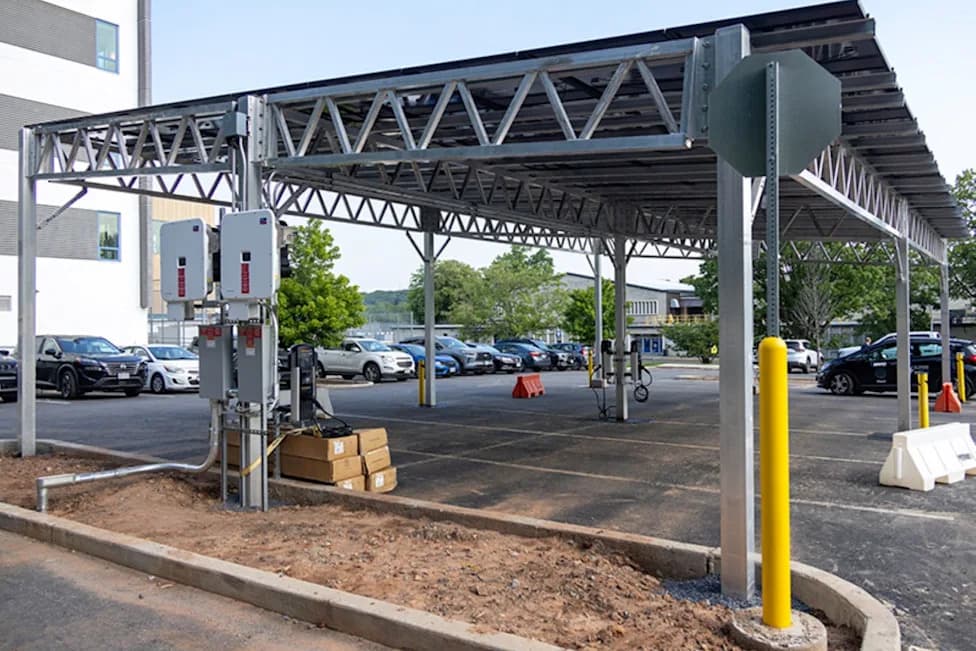
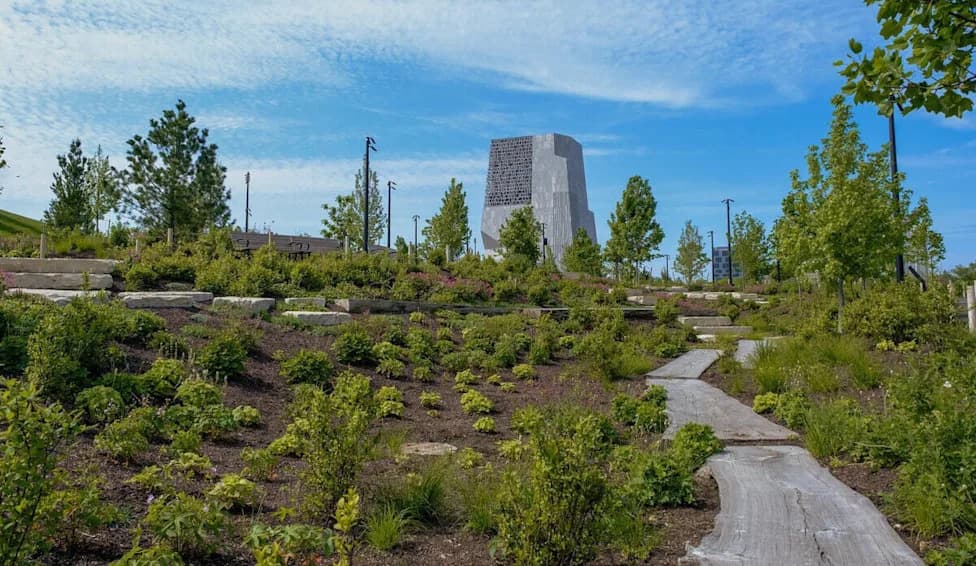
South Sacramento Christian Center partnered with a green-jobs training program to have paid students from underserved neighborhoods install EV chargers in the church parking lot. The project addresses a local shortage of chargers, improves air-quality outcomes, and gives participants hands-on skills for clean-energy careers. Federal funds and foundations helped support the work, which mirrors nationwide efforts to expand charging access and workforce development.
California Church Trains Students to Install EV Chargers, Creating Pathways to Green Jobs
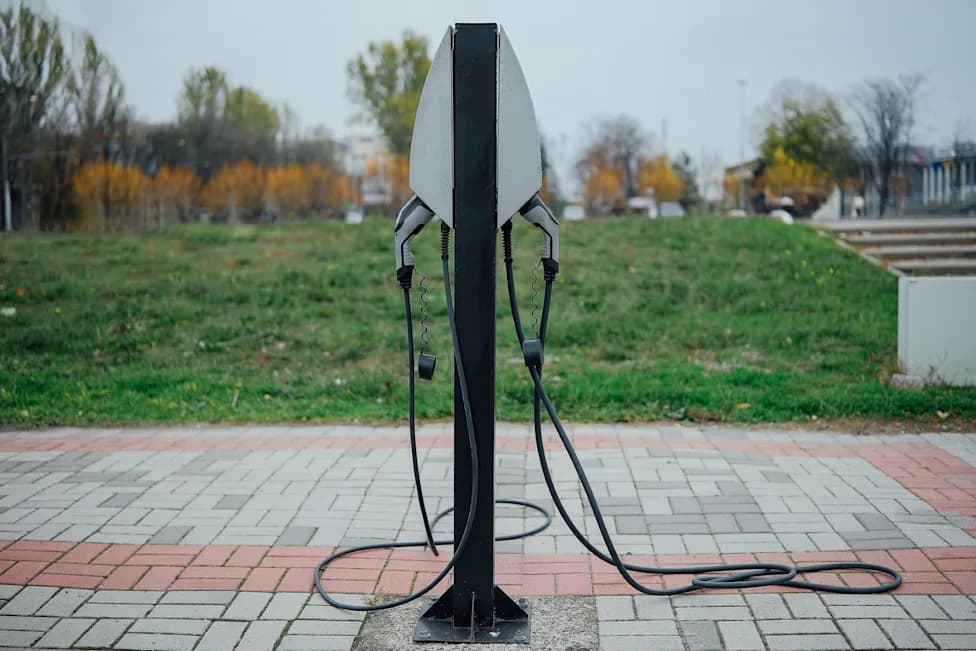
Photo Credit: iStock
South Sacramento Christian Center — already known for feeding neighbors, preventing violence, and improving shared spaces — has added a new role: helping make electric driving more practical in a neighborhood with few public chargers.
According to Yale Climate Connections (YCC), the church partnered with a green-jobs training program to convert a local infrastructure gap into opportunity. Students from nearby underserved neighborhoods installed EV chargers in the church parking lot, gaining paid, hands-on experience and new technical skills.
"We are, at the core of our faith, called to be stewards of this Earth… And part of being a good steward is climate justice," Pastor Les Simmons told Yale Climate Connections.
Electric vehicles reduce tailpipe emissions that contribute to local air pollution, which is linked to asthma attacks and emergency-room visits — benefits documented in multiple peer-reviewed studies. By hosting chargers and a training program, the church is addressing both environmental and public-health concerns while helping build a local clean-energy workforce.
The students were paid for their work and left with marketable skills that can support future EV-related careers. Federal funding and support from foundations helped make the training and installations possible, easing equipment and program costs for the community.
Why this matters: Projects like this expand charger access in places that have long lacked it, attract investment, and create career pathways into the clean-energy economy. When churches, schools, developers, and companies collaborate on charging and training, electric transportation becomes more realistic and equitable for more communities.
Related Projects Around the U.S.
- In Philadelphia, a church launched a community solar project aimed at reducing energy burdens for neighbors.
- At Hope College, students are testing solar-powered curbside chargers that could change how cities deploy charging infrastructure.
- In Santa Ana, Rove opened a community-focused charging center designed to be welcoming and accessible.
Seen alongside efforts like these, the South Sacramento initiative is part of a broader shift: EV charging can expand access, improve local air quality, and open doors to green jobs — outcomes that resonate well beyond a single neighborhood.
Help us improve.