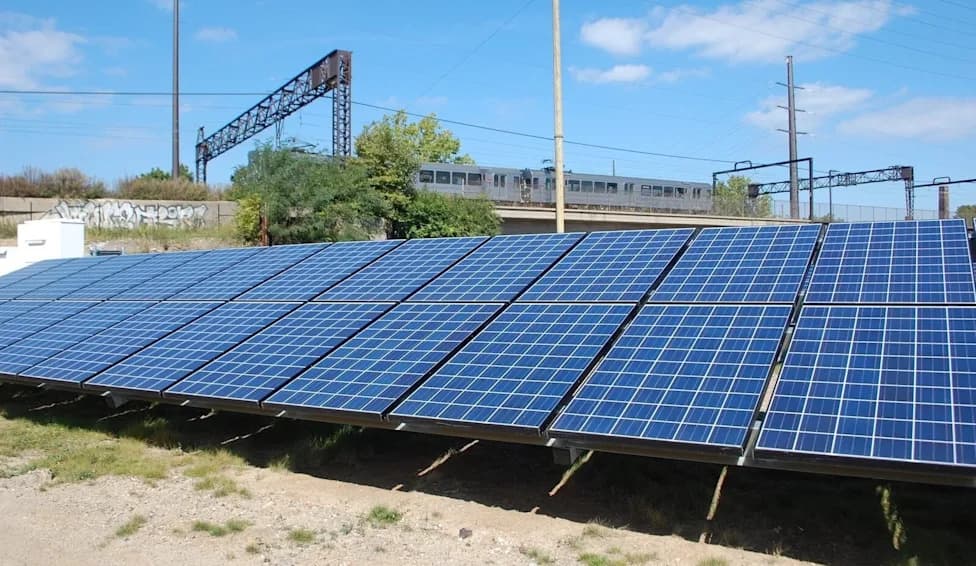
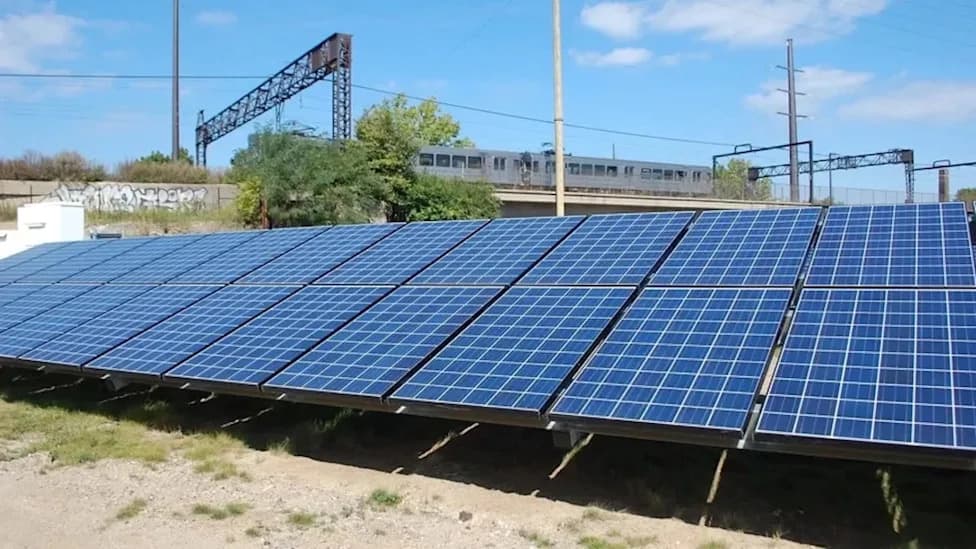
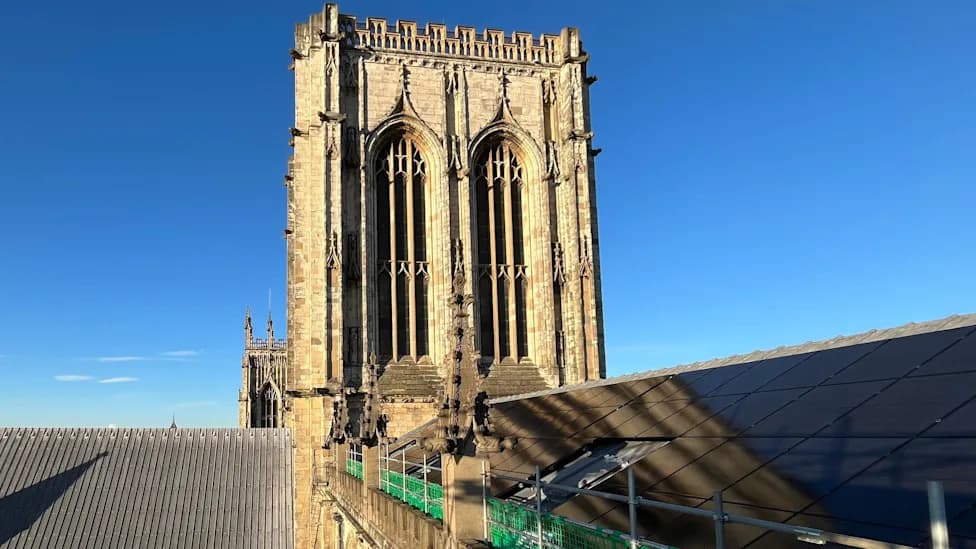
District F Delegate Jacob Bennett has proposed a bill requiring at least 40% of new industrial rooftops — and additions of 20,000 sq ft or more — to be fitted with solar panels. Systems could power the site, feed the grid, or both, and a public hearing is scheduled for Oct. 13. Bennett’s aim is to shift solar development from farmland onto "grey spaces" like warehouse roofs; a similar 2023 effort failed in a 3–4 vote.
Harford County Bill Would Require 40% Solar On New Industrial Rooftops To Protect Farmland
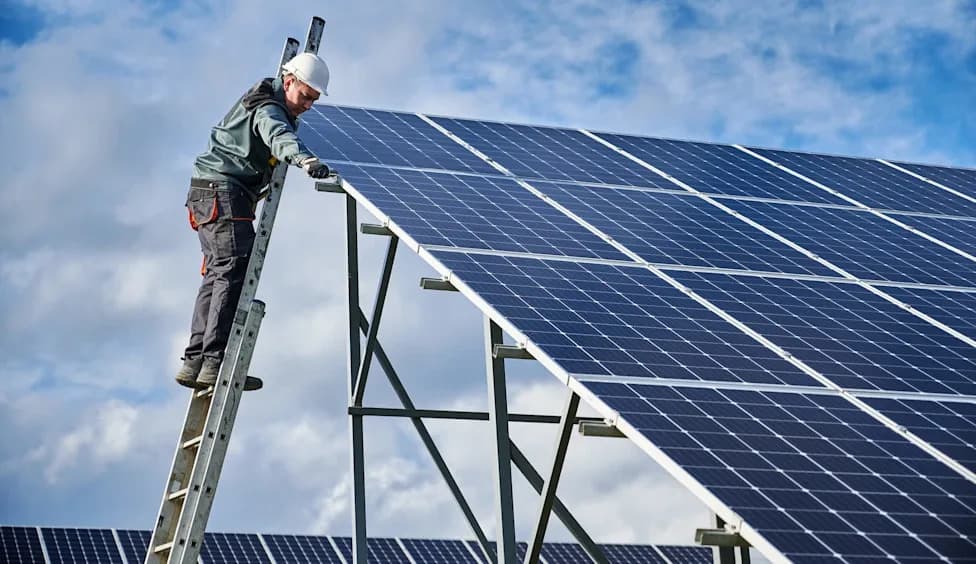
Photo Credit: iStock
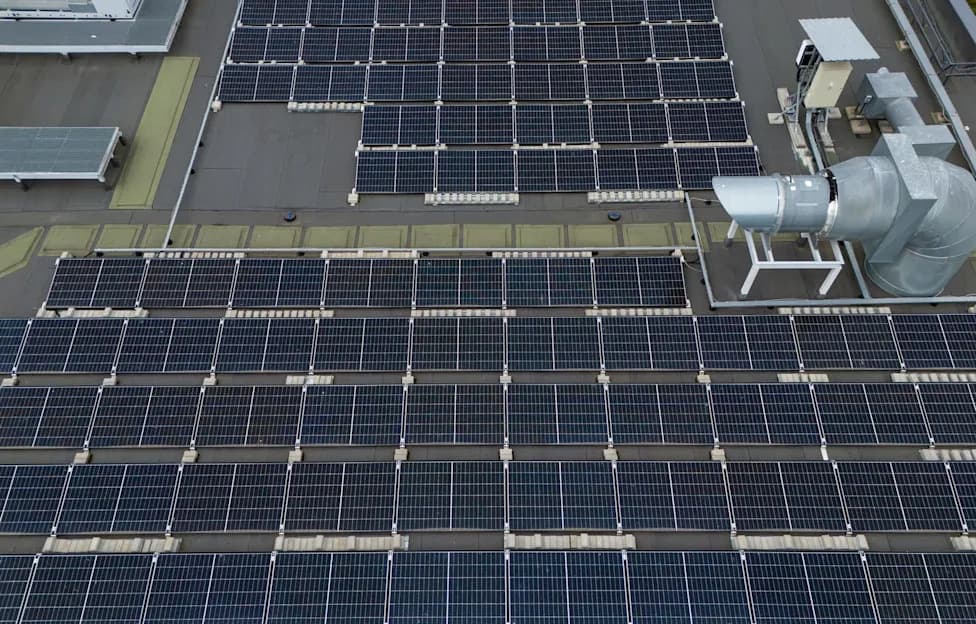
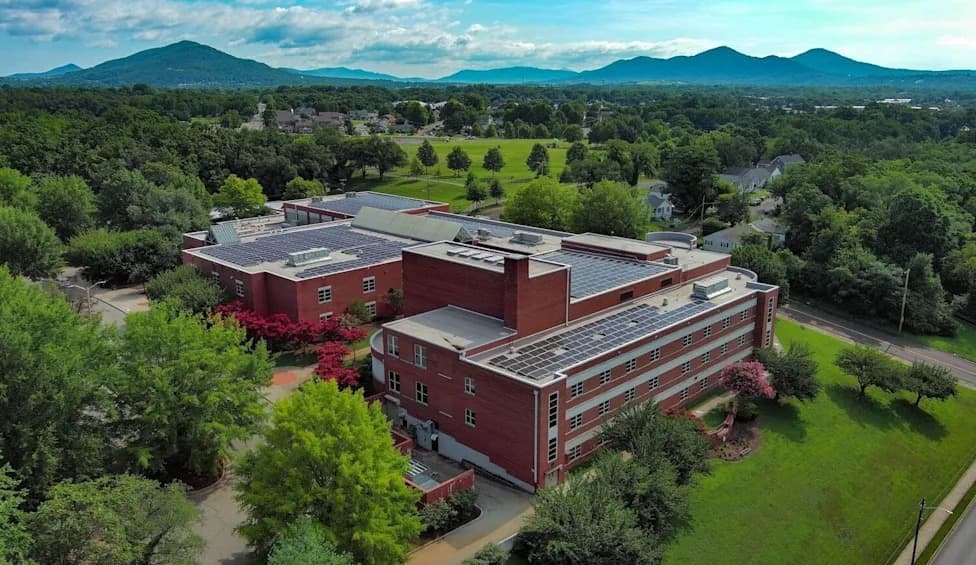
A new proposal in Harford County, Maryland, would steer more solar development onto large industrial rooftops and away from productive farmland. District F Democrat Jacob Bennett is sponsoring a bill that would require qualifying new buildings in Commercial Industrial, Light Industrial and General Industrial zones to cover at least 40% of their rooftop area with photovoltaic panels.
Under the measure, the rooftop systems could power the site, export electricity to the grid, or do both. The same 40% threshold would apply to additions of 20,000 square feet or more at existing industrial developments, The Baltimore Sun reports. The county has scheduled a public hearing on the proposal for Oct. 13.
Why It Matters
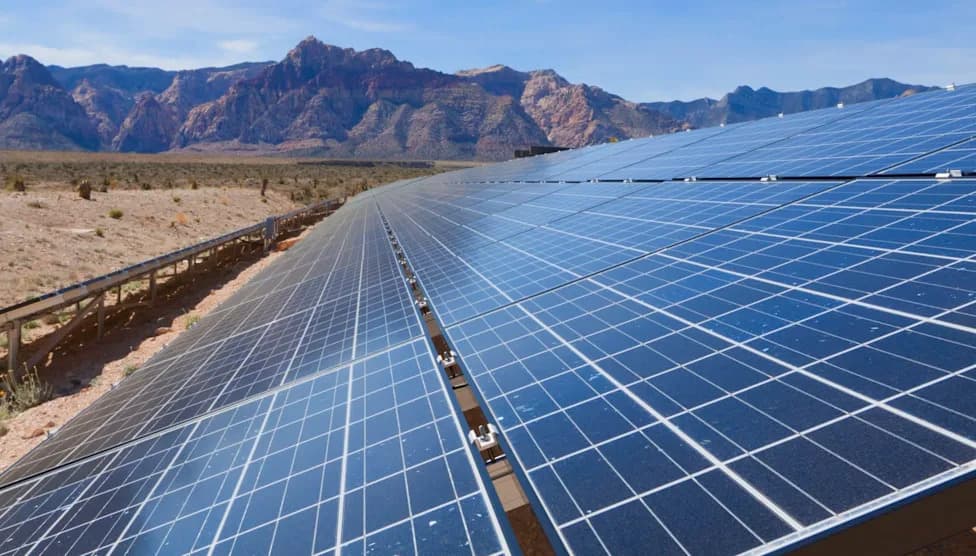
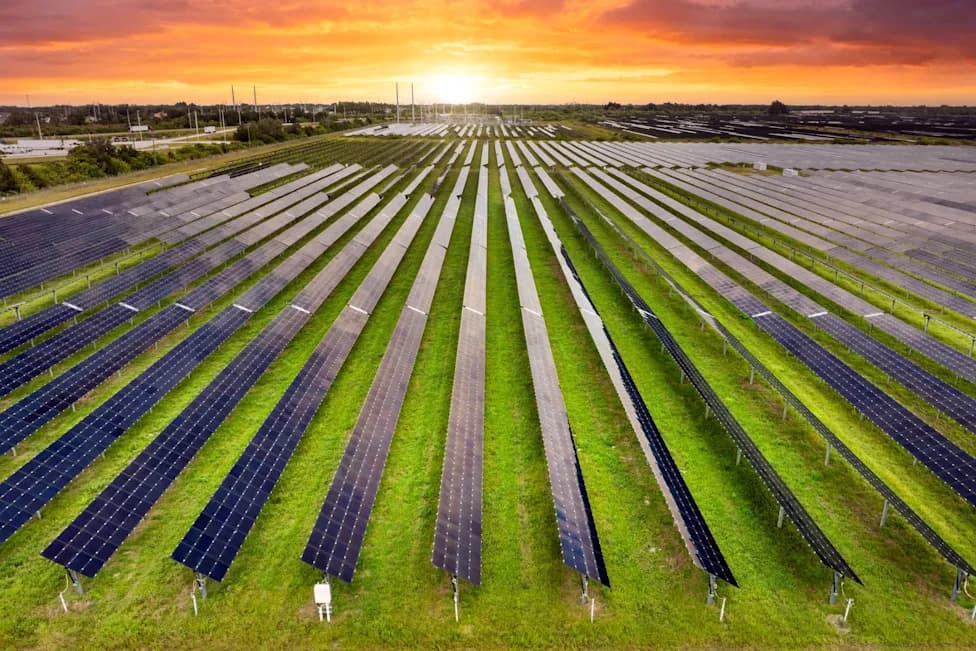
The county is currently reviewing roughly 25 proposed community solar and battery-storage projects, nearly all planned for farmland. Bennett says the bill aims to redirect at least some of that buildout onto "grey spaces" — already developed areas such as warehouse and factory roofs — to avoid taking additional agricultural land out of production.
"My goal in this bill is to be able to emphasize the push of solar on grey spaces, like rooftops on large industrial buildings, so that we can go to the state and say, 'look, we are doing our fair share and putting these somewhere, we are just asking for the autonomy to say where,'" Bennett told The Baltimore Sun.
Process And Impacts
If enacted, the requirement would force developers of qualifying industrial buildings to incorporate solar into initial design and budgeting rather than treating panels as optional add-ons. Supporters say rooftop mandates protect farmland and make efficient use of existing infrastructure; critics may argue the rule could raise construction costs or complicate warehouse design and logistics.
This is Bennett’s second attempt: a similar 2023 amendment to a county warehouse-development bill failed in a 3–4 vote, the Sun reported. The county recently voted to ban data center construction and continues to evaluate solar and battery project applications as part of broader land-use and energy discussions.
Regional Context
Harford County’s proposal echoes wider Mid-Atlantic efforts to site solar on existing buildings and urban spaces: lawmakers in Pennsylvania have promoted rooftop solar on warehouses to lower power costs, while Maryland and Virginia pilots aim to expand plug-in balcony systems for renters. Connecticut and Virginia are also speeding permitting to cut residential solar costs.
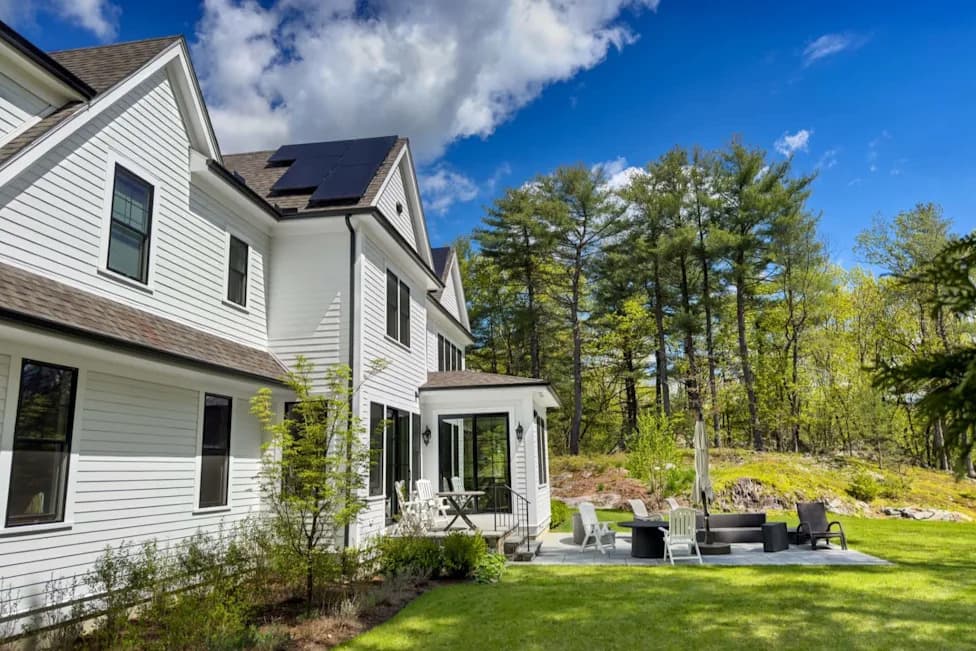
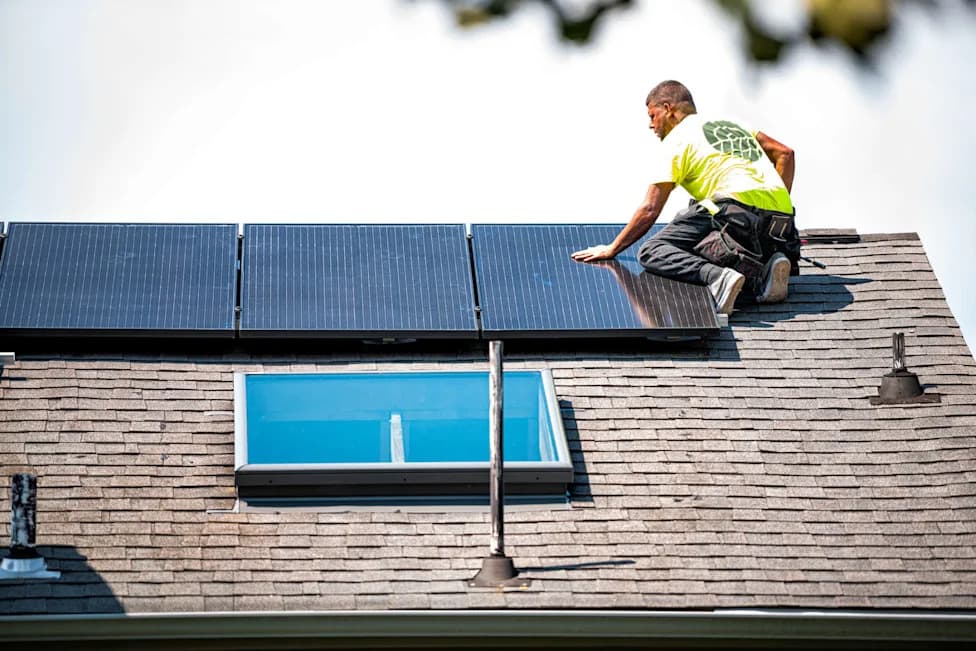
Homeowners curious about rooftop solar options can consult services such as EnergySage for free estimates and comparisons; these platforms can help evaluate costs, incentives and battery-storage options for backup power and grid savings.
Next Step: The public hearing on Oct. 13 will allow residents, developers and officials to offer testimony and shape how — or whether — the county formalizes the rooftop requirement.
Help us improve.