The CDC has recorded 1,061 salmonella illnesses tied to backyard chickens and ducks across 46 states and Puerto Rico, with two deaths reported in Washington State and Georgia. Cases increased by 247 since late July, and children under five represent about 25% of infections. Investigators have linked cases to seven hatcheries but no live-bird recalls have been issued; experts say hotter weather may be helping the bacteria spread more widely.
Backyard Poultry Salmonella Outbreak Reaches 1,061 Cases; Two Deaths Reported
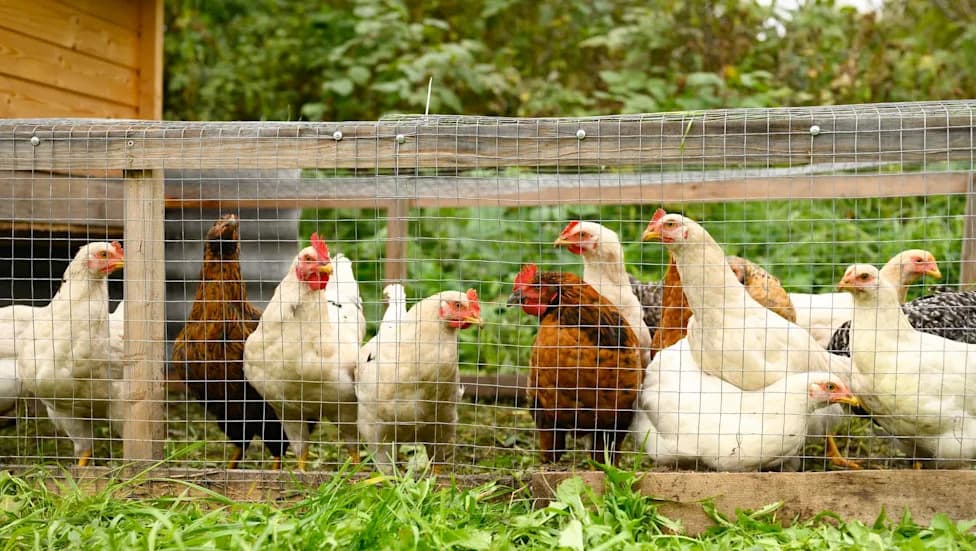
Photo Credit: iStock
A salmonella outbreak linked to backyard chickens and ducks has become the largest of its kind reported in the United States in 2026. The Centers for Disease Control and Prevention (CDC) has recorded 1,061 illnesses across 46 states and Puerto Rico, and health officials say two deaths have been associated with the outbreak.
Outbreak Details
Since the CDC's July 27 update, the case count rose by 247 infections. Investigators report that every person interviewed had contact with backyard poultry — chickens, ducks, or both. Children under five account for roughly one-quarter of those infected, underscoring the higher risk for young children.
Where And Who Was Affected
Illnesses span most of the country, with the two confirmed fatalities reported in Washington State and Georgia. Public health officials have linked cases to seven hatcheries, but they have not publicly named specific businesses.
Regulatory And Investigation Notes
No recalls of live birds have been issued and none are expected: the Food and Drug Administration (FDA) and the U.S. Department of Agriculture (USDA) generally do not regulate backyard flocks. Investigations continue to identify sources and transmission pathways.
Context And Contributing Factors
The last outbreak of similar scale occurred in 2019, when the CDC documented 1,134 cases, two deaths and hundreds of hospitalizations. Scientists warn that hotter weather can increase the spread of salmonella by accelerating bacterial growth and affecting food production and handling practices.
What You Can Do
If you keep or handle backyard poultry:
- Always wash hands thoroughly with soap and water after touching birds, eggs, coops, bedding or equipment.
- Keep poultry out of homes and food-preparation areas; do not let birds roam in kitchens.
- Supervise young children around birds and avoid allowing children under five to handle poultry.
- Clean and disinfect equipment outdoors and avoid cross-contamination with household surfaces.
- Seek medical care if you or a family member develops diarrhea, fever or severe illness.
Public health agencies continue to monitor the situation. Stay informed about local updates and follow hygienic handling practices to reduce risk.
Help us improve.