The August Salmonella outbreak linked to jalapeño peppers has sickened more than 300 people across about 27 U.S. states, triggering recalls of salsas, guacamole and pico de gallo. Experts warn that produce can become internally contaminated in the field or during processing, so visual checks and rinsing may be insufficient. To reduce risk, discard recalled or suspicious items, avoid cross-contamination, sanitize surfaces and hands, and cook produce-based dishes thoroughly (Salmonella is killed above 167°F).
Over 300 Sickened in U.S. Salmonella Outbreak Linked to Jalapeños — Experts Warn Washing Alone Isn’t Enough
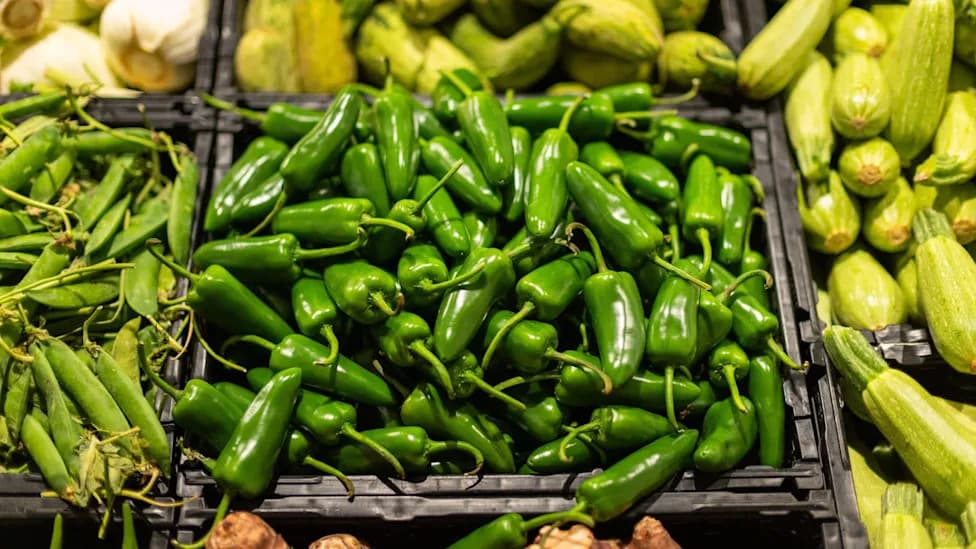
Photo Credit: iStock
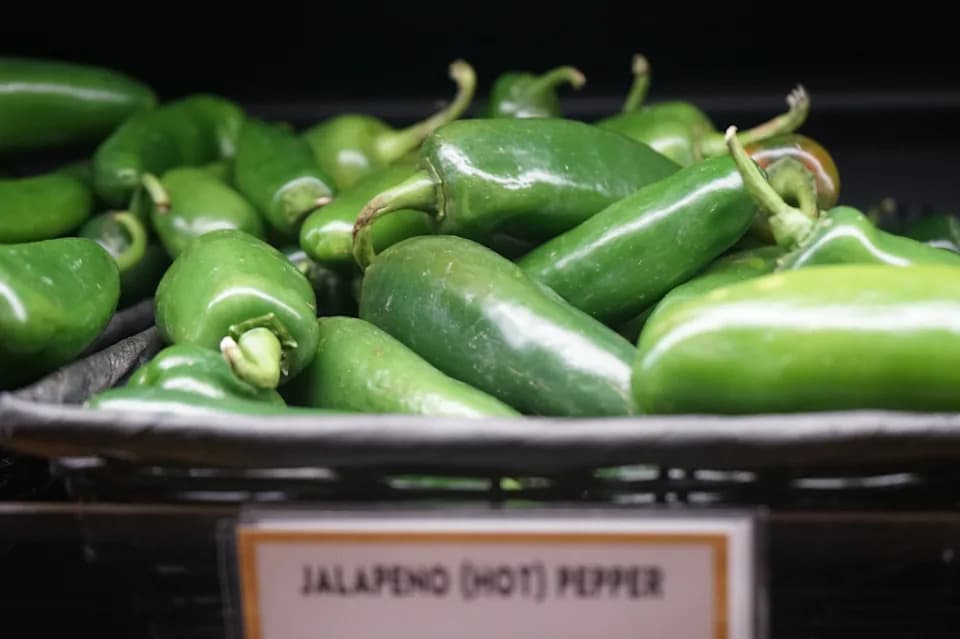
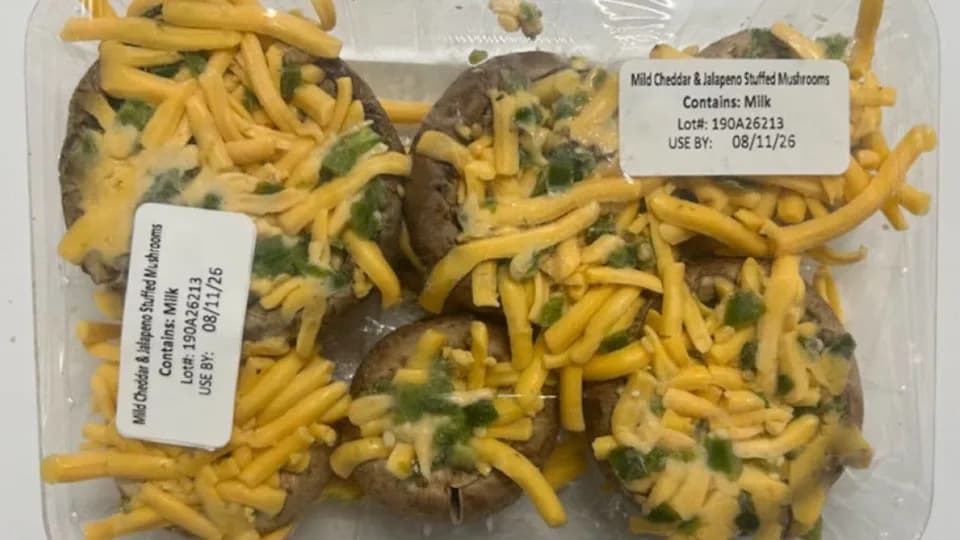
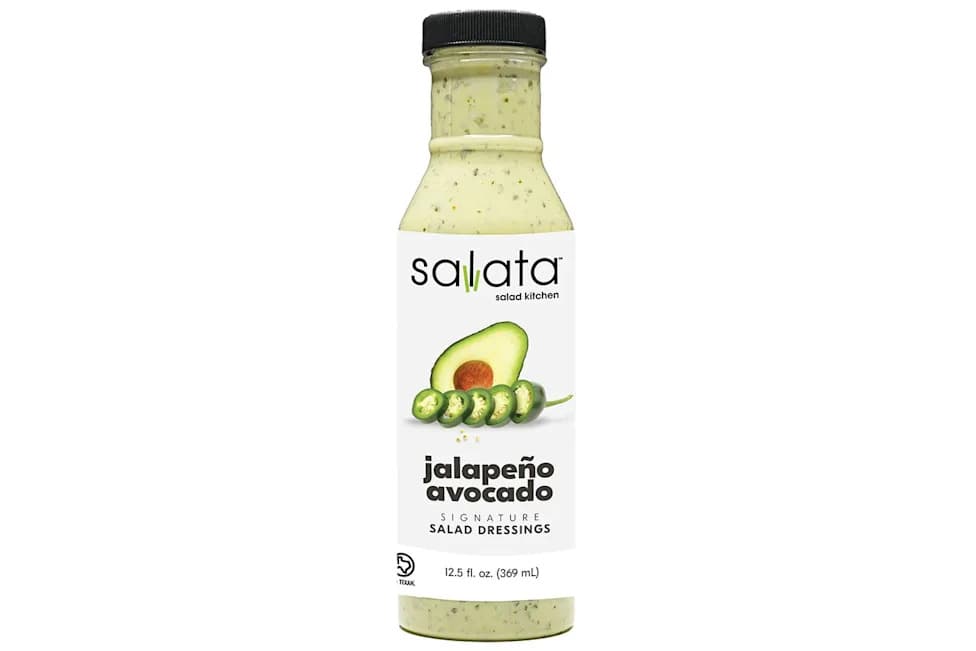
The August Salmonella outbreak tied to jalapeño peppers has sickened more than 300 people across roughly 27 U.S. states and prompted recalls of products such as salsa, guacamole and pico de gallo, the U.S. Food and Drug Administration says.
What Happened
Health agencies traced a cluster of Salmonella infections to jalapeño peppers used in ready-to-eat products. Because contaminated produce often looks normal, affected items were pulled from shelves to prevent further illness.
How Contamination Can Occur
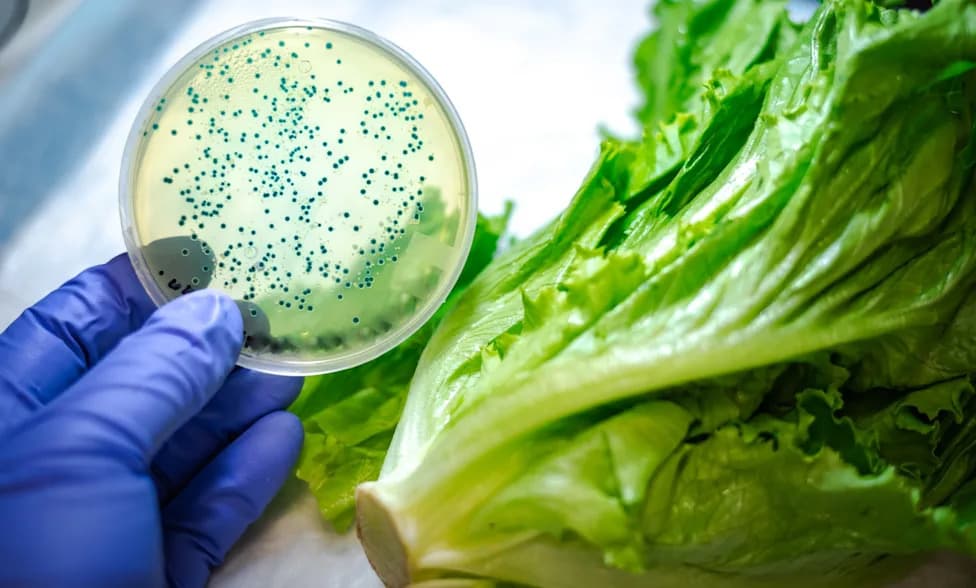
Bacteria can contaminate fruits and vegetables at multiple points: in the field, during washing, in transit, or through subsequent handling in packing facilities and kitchens. A 2018 study found Salmonella present around a plant’s roots can move into tissues through tiny lateral openings—an effect that may increase in higher-salt soils—meaning the organism can be internal and not removable by rinsing.
Why Visual Checks And Quick Rinses Aren’t Enough
Contaminated produce often appears perfectly normal, so the eye-test is unreliable. Washing can reduce surface contamination but may not remove bacteria that have entered internal tissues. The USDA and FDA also note that dirty wash water, cross-contamination from utensils or hands, and transportation can spread pathogens.
How To Protect Yourself
- Discard suspect items: If you suspect a product may be contaminated or it’s part of a recall, throw it away or return it—do not assume looks guarantee safety.
- Separate: Keep produce away from raw meat and anything that has contacted raw meat to avoid cross-contamination.
- Clean and sanitize: Wash and sanitize knives, cutting boards, counters and hands (soap and water for at least 20 seconds).
- Store properly: Keep perishable vegetables sealed in a clean refrigerator.
- Cook when appropriate: Salmonella is killed at temperatures above 167°F (75°C), so thorough cooking of produce-based dishes provides protection that rinsing may not.
- Home gardeners: Avoid harvesting vegetables with obvious animal damage or fecal residue and keep animals away from harvest and packing areas.
Supply-Chain Considerations
Large, fast-moving supply chains can amplify contamination events, and inconsistent oversight or safety practices can delay detection. Quick recall notices play a critical role in removing unsafe products before more people become ill.
Bottom line: Fresh produce can carry bacteria internally and look normal. When contamination is possible, throwing the item away or cooking it thoroughly is safer than relying on a quick rinse.
Help us improve.