Women whose jobs require them to confront powerful men often face a private, professional calculation about the cost of speaking up. High-profile incidents involving journalists and a recent arbitrator ruling that reinstated Karen Attiah highlight how public rebukes and newsroom fallout create chilling effects. Legal experts disagree about when criticism becomes illegal retaliation, and courts apply a high bar for hostile-work-environment claims. As a result, many women self-censor, with consequences for reporting, risk management and organizational accountability.
Women Experts Often Pay a Quiet Career Price for Speaking Up
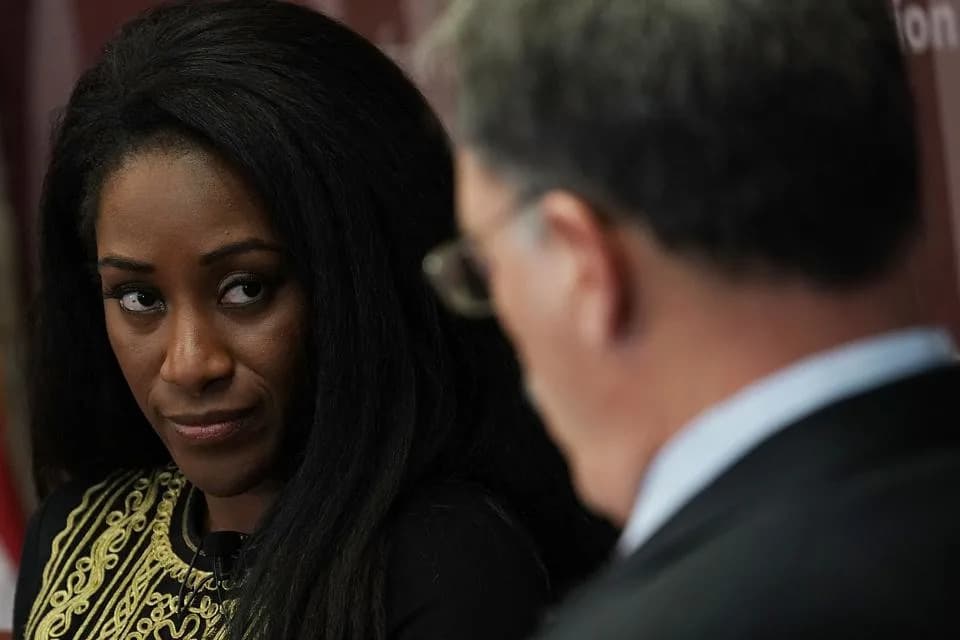
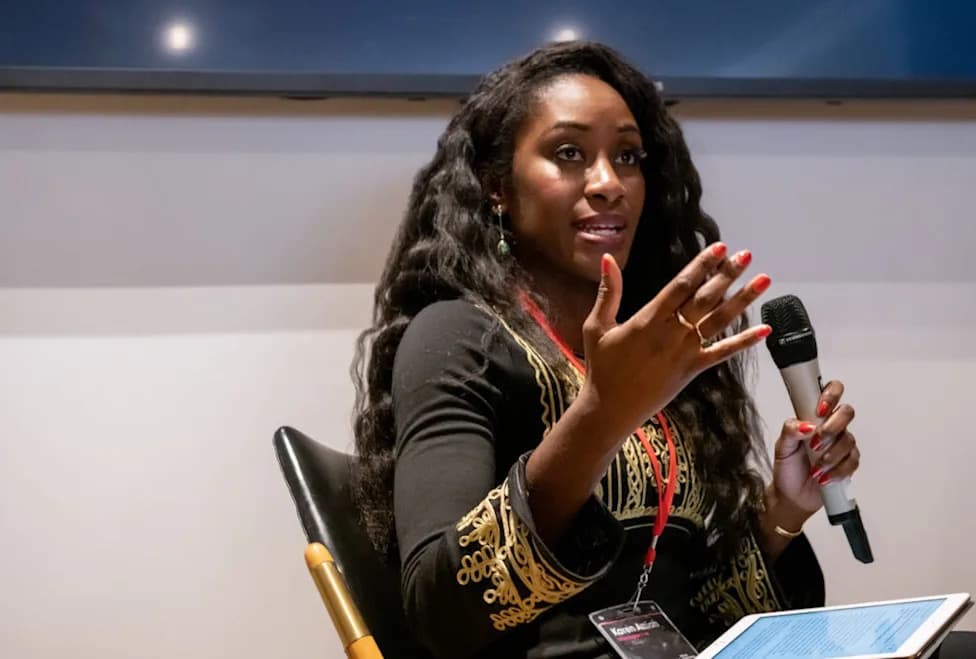
What happens when women whose jobs require them to challenge powerful men have to calculate the professional cost of doing exactly that? Pictured, Washington Post global opinion editor Karen Attiah.Getty Images
When a woman's professional role requires her to challenge powerful men, she often must calculate the potential professional cost before she speaks. That hidden calculation plays out across newsrooms, boardrooms and agencies, with real consequences for reporting, decision-making and organizational risk.
High-Profile Examples and the Public Record
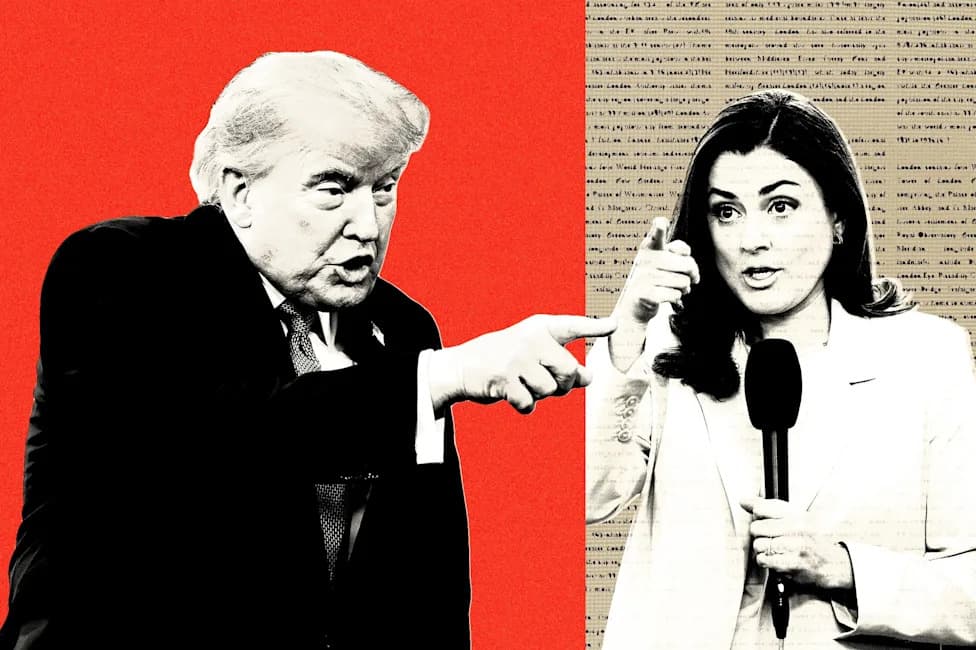
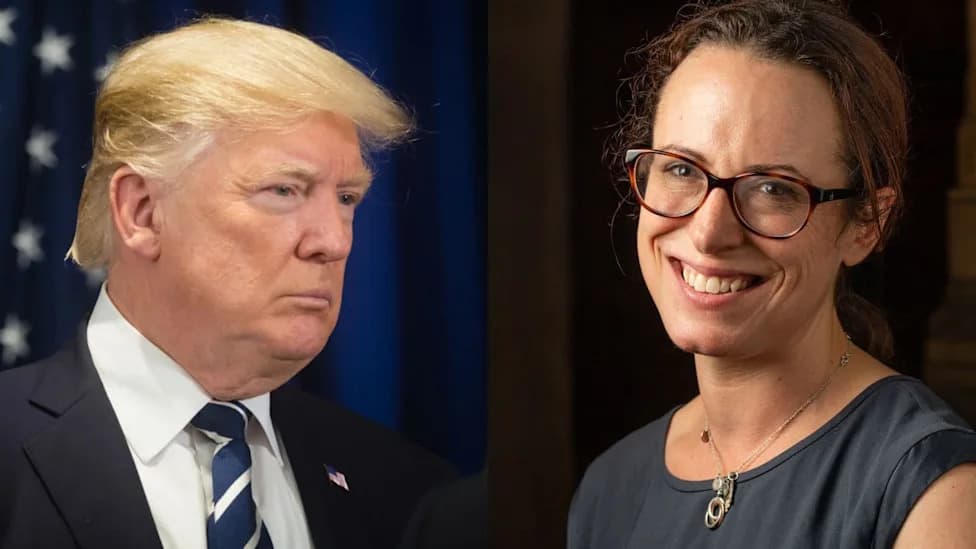
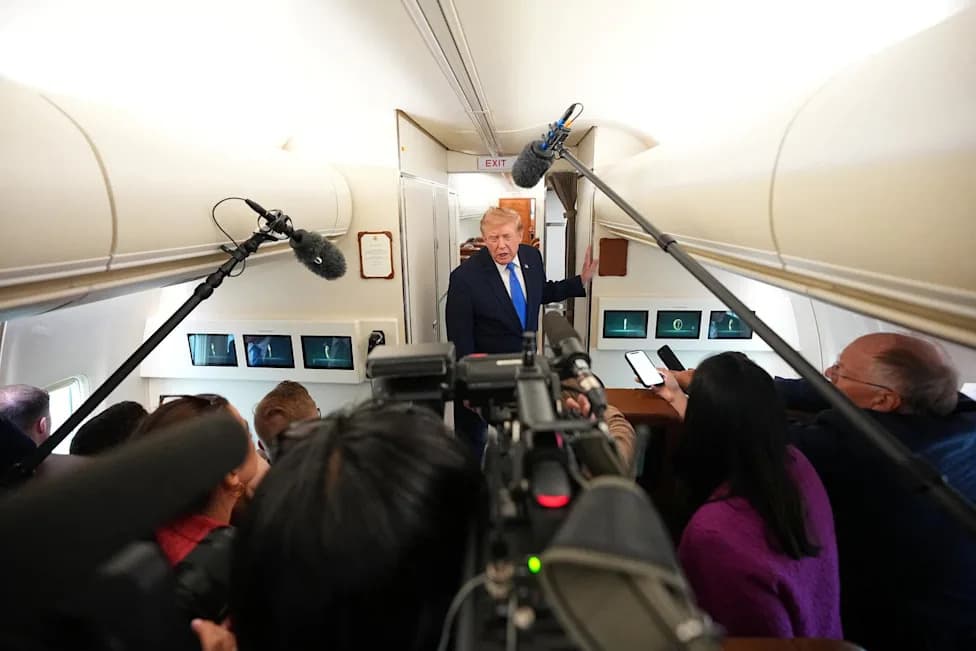
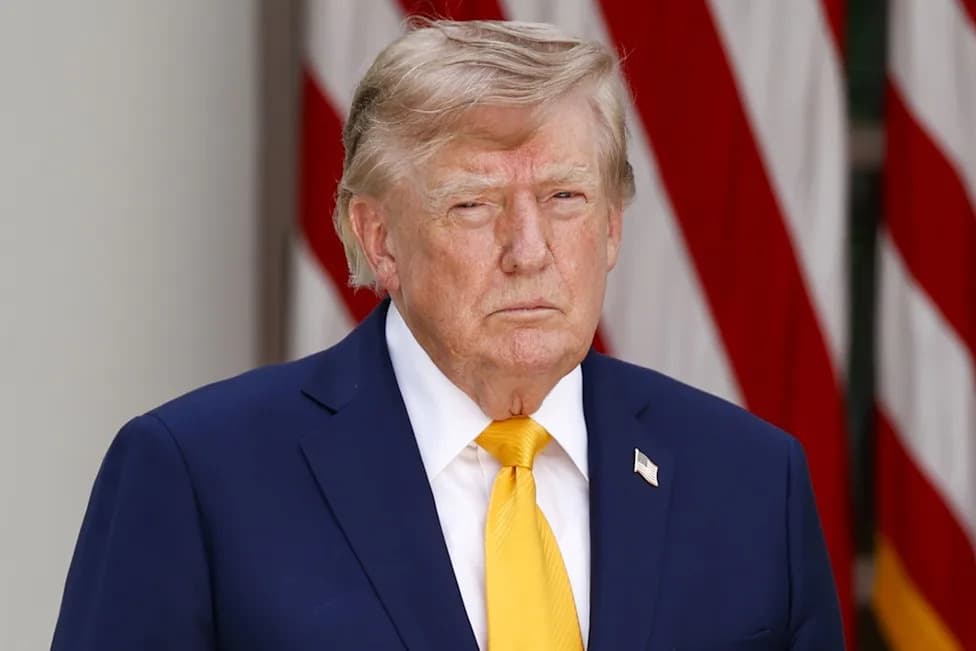
In 2018, during a White House press conference, PBS NewsHour correspondent Yamiche Alcindor asked then-President Donald Trump whether his description of himself as a nationalist could embolden white nationalists. Mr. Trump responded by calling the question "such a racist question" and saying it was "so insulting to me." That year he also publicly rebuked other Black female reporters, including April Ryan and Abby Phillip, using disparaging language in front of cameras.
Those public episodes illustrate a broader pattern. Sarah J. Jackson, an associate professor at the University of Pennsylvania's Annenberg School for Communication and author of A Second Sight: How Black Mediamakers Push America Toward Freedom, describes Black journalists as "canaries in the coal mine" for harassment, censorship and public attacks aimed at reporters.
Official Responses and Legal Debate
The White House has defended such exchanges as part of a "candid, open dialogue" with the press. Legal scholars differ sharply on when aggressive criticism of journalists or employees crosses the line into unconstitutional coercion or unlawful retaliation. Constitutional attorney Mark Meckler stresses that a president may criticize journalists as a matter of speech. Others, including some academic experts, say retaliation can be unlawful even without an explicit directive if government power is used to punish or coerce.
"The biggest hurdle is likely proving coercion or adverse state action, not simply hostility," one legal analyst said, highlighting the evidentiary challenges.
The Workplace Dimension
A woman can retain formal authority while increasingly aware that exercising it might carry social or professional costs. For example, an independent arbitrator recently ordered The Washington Post to reinstate columnist Karen Attiah with back pay after she was fired in September 2025 over controversial social-media posts and the newsroom fallout that followed.
Courts evaluate workplace harassment under a demanding standard. The U.S. Supreme Court requires conduct to be sufficiently "severe or pervasive," judged both objectively and subjectively. Judges weigh frequency, severity, whether the behavior is threatening or humiliating rather than merely offensive, and whether it interferes with job performance. The Court has also said that "simple teasing," offhand comments and isolated incidents—unless extraordinarily serious—generally do not alter the terms and conditions of employment.

A female expert can still start doing the calculation in her head: What is this going to cost me if I say this out loud? She may soften the question, change how she deals with a boss or decide the point isn't worth making again.
That legal threshold leaves an ambiguous zone: many women report feeling intimidated, marginalized or professionally harmed even when conduct falls short of an actionable legal claim. Researchers who reviewed 80 workplace harassment cases found judges concluded 65% did not rise to illegal harassment; when laypeople reviewed the same cases, fewer than 20% agreed with the judges' assessments.
Consequences of Self-Censorship
The most consequential effect is self-policing. A female expert may soften questions, refrain from raising risks, or avoid pressing a boss because she anticipates reputational harm, lost opportunities, or retaliation. When experts self-censor, investigations may never start, stories may never be reported, and organizational memory can be distorted—meeting notes may show consensus where fear actually dictated silence.
Federal employment law can clarify when conduct becomes legally actionable, but it cannot erase the professional costs. Even where legal remedies exist, pursuing them is costly, uncertain and may not restore lost opportunities or reputational damage.
What Women Can Do
There is no single solution. Practical steps can include documenting interactions, seeking witnesses or allies, using internal reporting channels, consulting human resources or legal counsel, and weighing the professional trade-offs before speaking. Organizations should also examine culture, accountability and power dynamics so that expertise is heard without penalty.
Ultimately, many female experts face the unenviable task of deciding whether to speak up before they know the consequences. The stakes extend beyond individual careers: they affect the quality of public information, institutional safety and the ability of organizations to anticipate and respond to risk.
This article was originally published on Forbes.com.
Help us improve.