ABC and Jimmy Kimmel have become focal points in a broader confrontation between the news media and the Trump administration’s use of regulatory pressure. Kimmel plans to post an interview with Texas Democrat James Talarico on YouTube rather than broadcast it, citing FCC concerns. ABC says an extensive FCC probe—after producing roughly 13,000 documents—has already chilled political coverage and prompted self-censorship. Increasingly, newsrooms are responding with lawsuits and newsroom defenses to protect editorial independence.
ABC and Jimmy Kimmel Push Back: How Newsrooms Are Fighting Regulatory Pressure
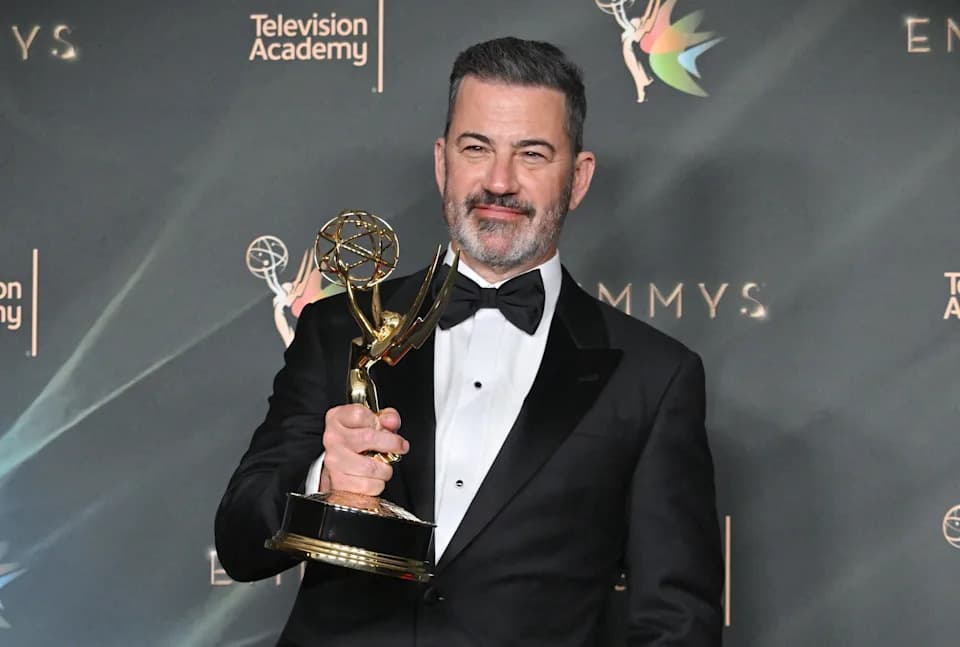
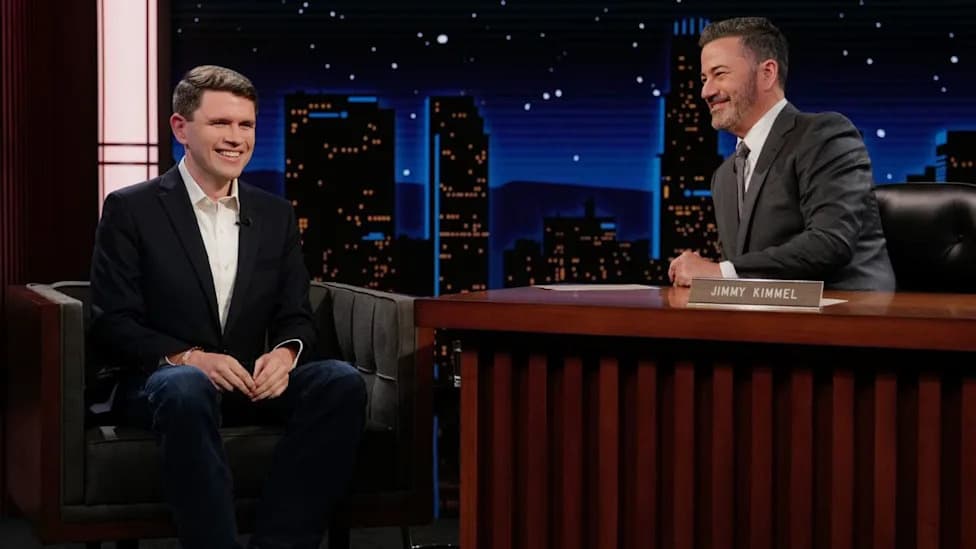
Jimmy Kimmel wins an Emmy on Sept. 5, 2026, in Los Angeles for outstanding host for a game show with "Who Wants To Be a Millionnaire." A few nights later, he announced on "Jimmy Kimmel Live!" that his interview with James Talarico, the Democratic U.S. Senate nominee from Texas, would not air on television, but would instead be posted on YouTube due to alleged threats from the Federal Communications Commission.
As pressure from the Trump administration on news organizations has grown more visible, some outlets are responding with legal and editorial pushback. The latest flashpoint involves ABC and late-night host Jimmy Kimmel, who announced he will interview Texas Democrat James Talarico on Sept. 10 and plans to post the interview to YouTube because of concerns about Federal Communications Commission scrutiny.
Pressure Across Platforms
The Kimmel decision reflects a broader pattern of pressure on journalists and outlets. Recent examples include the Defense Department reassigning editors and staff at Stars and Stripes as the publication’s mission and staffing shifted, Treasury officials denying credentials to veteran finance reporters at an economic summit, and public efforts to press the FCC to target journalists who cover the president critically.
Regulatory Leverage and Self-Censorship
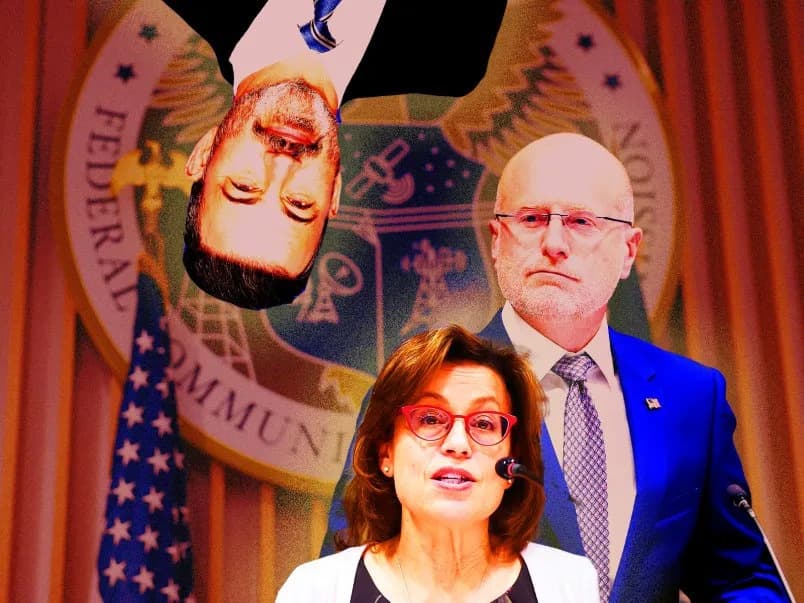
Federal broadcast law gives the FCC authority to regulate public airwaves, requiring licensees to operate in the public interest while forbidding the agency from exercising the power of censorship. Historically, the FCC’s bipartisan, multimember design helped insulate it from presidential control. After a June Supreme Court decision expanded presidential authority to remove agency heads, however, commissioners now serve more directly at the president’s pleasure and two of the commission’s five seats are vacant—raising concerns about politicized enforcement.
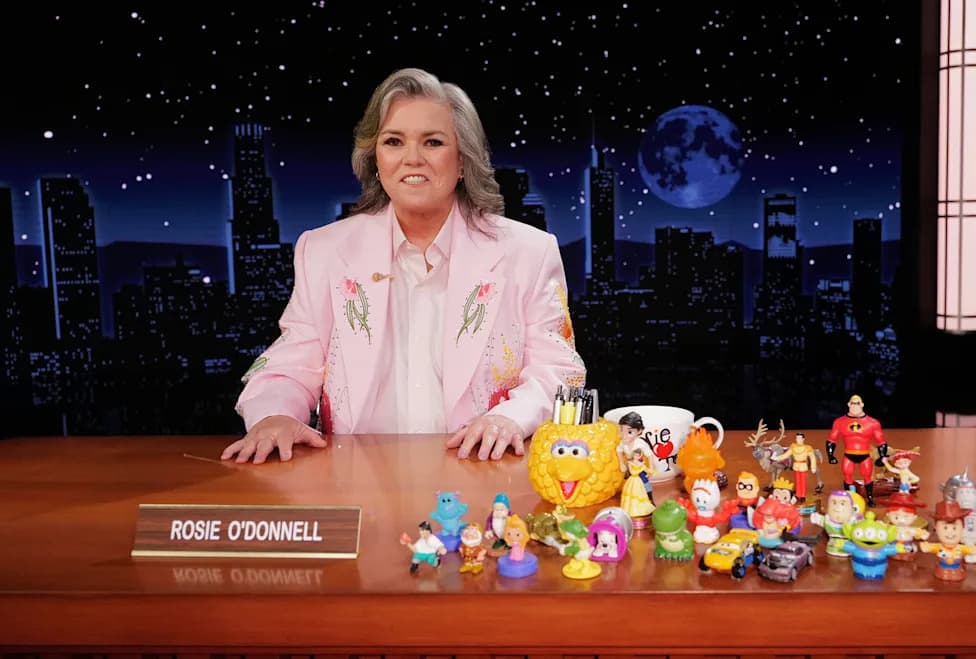
ABC has been at the center of this debate. The network settled a defamation suit in December 2024 that many observers believed it could have contested, and it temporarily pulled "Jimmy Kimmel Live!" from the air a year earlier after pressure tied to the host’s comments. After reinstating Kimmel and facing a series of probing FCC inquiries, ABC and its parent company, The Walt Disney Co., filed a First Amendment lawsuit on Aug. 18. The company says it produced roughly 13,000 documents in response to an FCC investigation into whether hiring practices were influenced by diversity, equity and inclusion efforts.
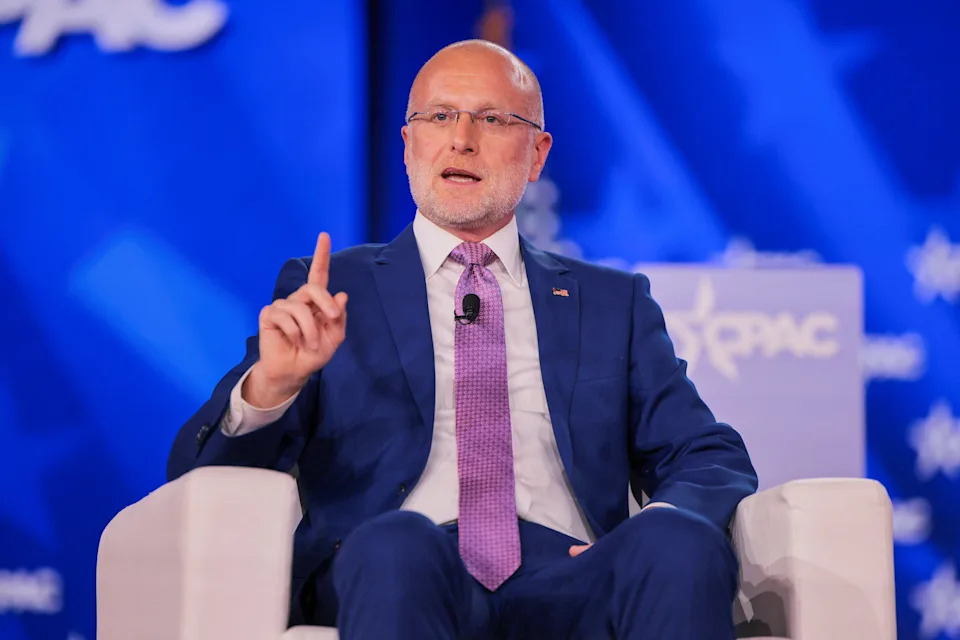
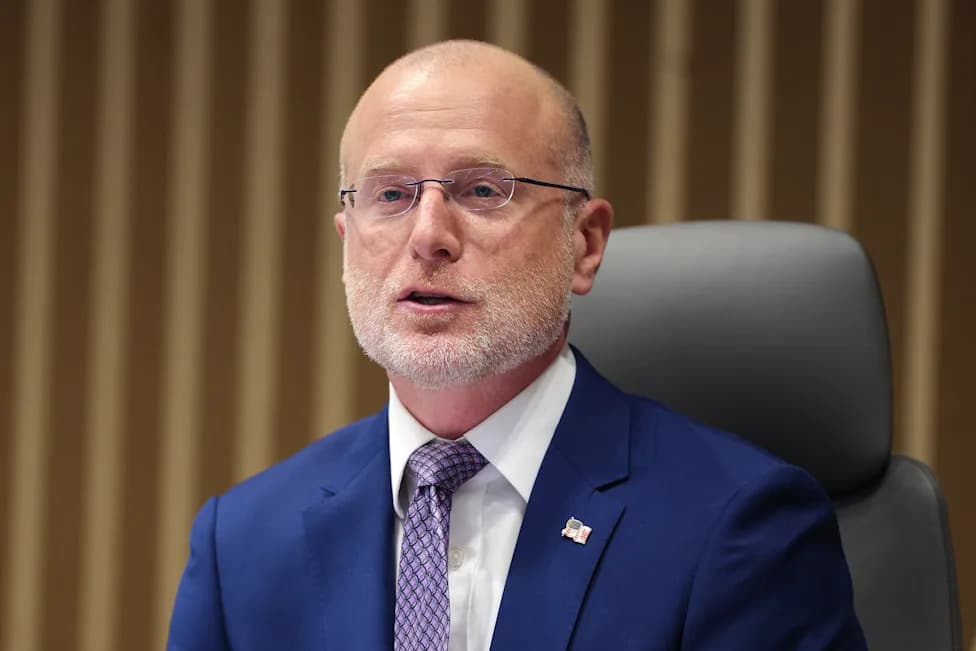
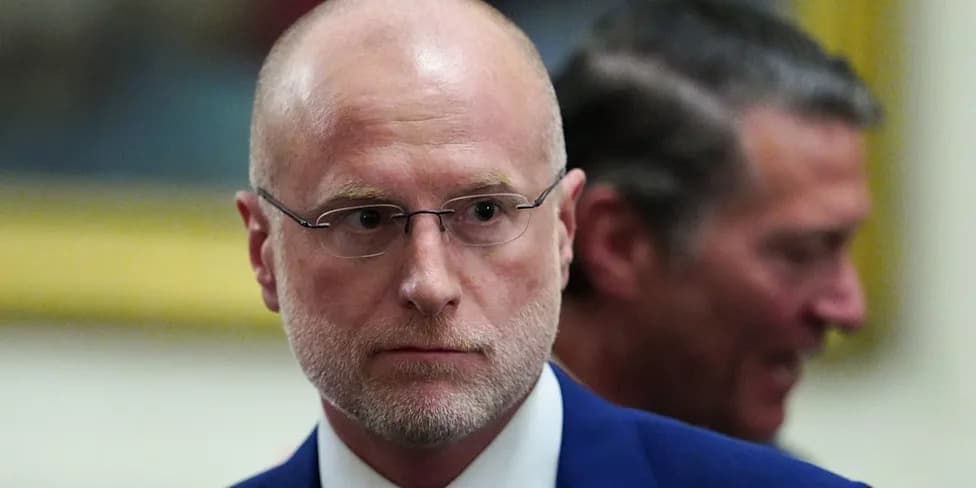
FCC Chairman Brendan Carr attends the Conservative Political Action Conference (CPAC) USA 2026 at the Gaylord Texan Resort and Convention Center in Grapevine, Texas, on March 27, 2026.
Evidence Of Chilling Effects
In a detailed brief, ABC said the legal and regulatory pressure has already prompted self-censorship. The network reported that no candidate for public office has appeared on the daytime talk show The View since a February interview with James Talarico after the FCC raised equal-time concerns. ABC also said it deviated from normal practice by streaming a July presidential address online instead of interrupting prime-time programming—an accommodation the company said it would not ordinarily have made.
Courts Respond
Courts have long taken threats that chill political speech seriously. In a recent case brought by The Stanford Daily and 55 other student newsrooms, plaintiffs documented foreign students who stopped writing or requested removal of published pieces out of fear they would jeopardize their immigration status. U.S. District Judge Noël Wise wrote:
“In the United States, free speech, including the freedom to criticize the government and its leaders, is not a sign of our democracy's fragility. It is evidence of its strength. That strength is diminished when members of our society — citizens and noncitizens alike — must self-censor and 'behave' or suffer the government's retaliation.”
That ruling and other recent legal moves illustrate a trend: news organizations and journalists increasingly are turning to the courts to defend editorial independence and to push back against regulatory or political coercion.
Why It Matters
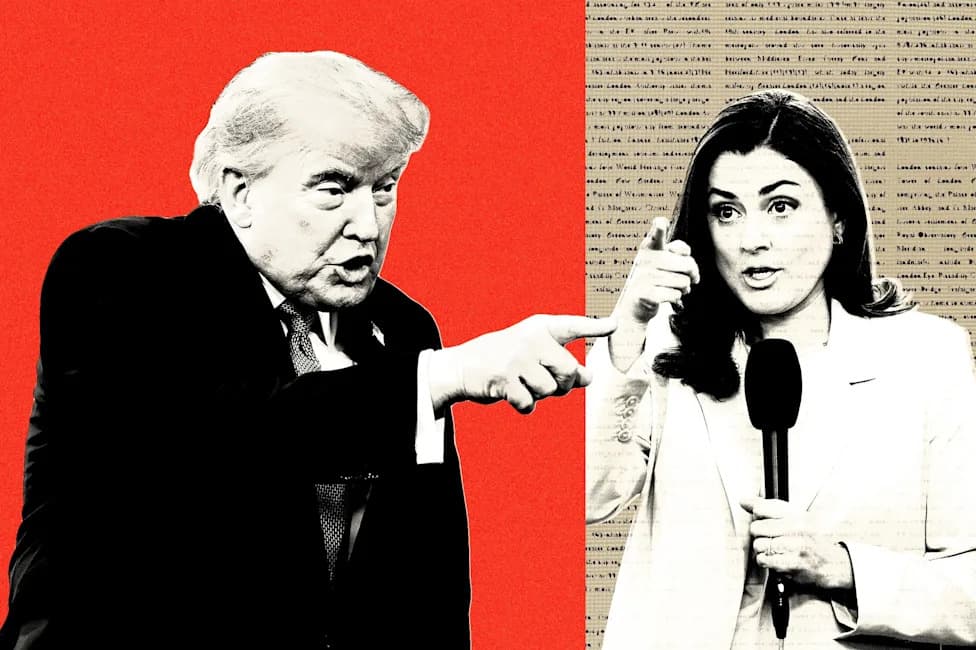
Defenses of press freedom matter beyond journalists. When newsrooms resist undue regulatory pressure, they protect the broader public’s access to independent reporting. NBC News publicly defended its anchor Kristen Welker after presidential criticism, and Stars and Stripes staffers sued after personnel changes at the Pentagon—examples of institutions and individuals seeking legal remedies rather than simply acquiescing.
The column was written by Lyrissa Lidsky, Raymond & Miriam Ehrlich Chair in U.S. Constitutional Law at the University of Florida Levin College of Law, with contributions from Kathy Kiely, recently retired Lee Hills Chair in Free Press Studies at the Missouri School of Journalism.
Help us improve.