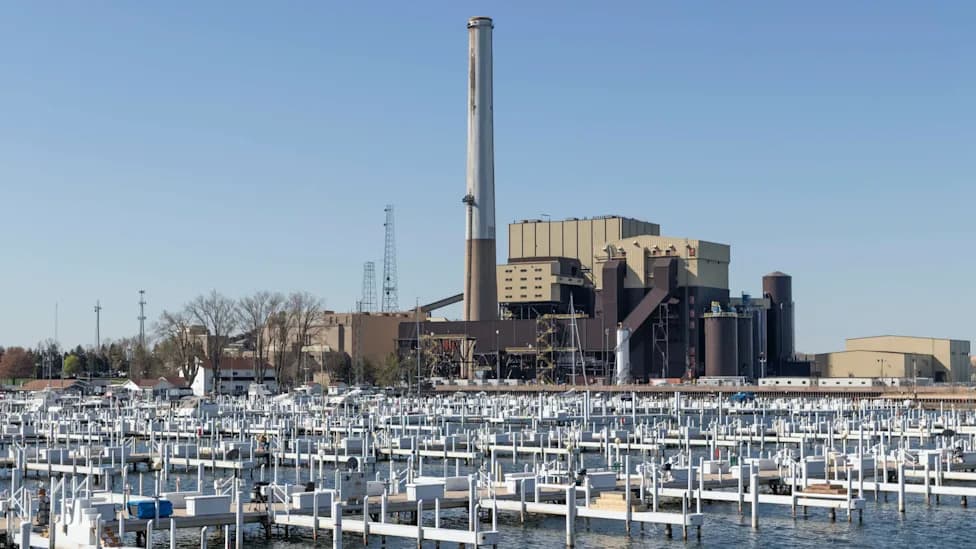
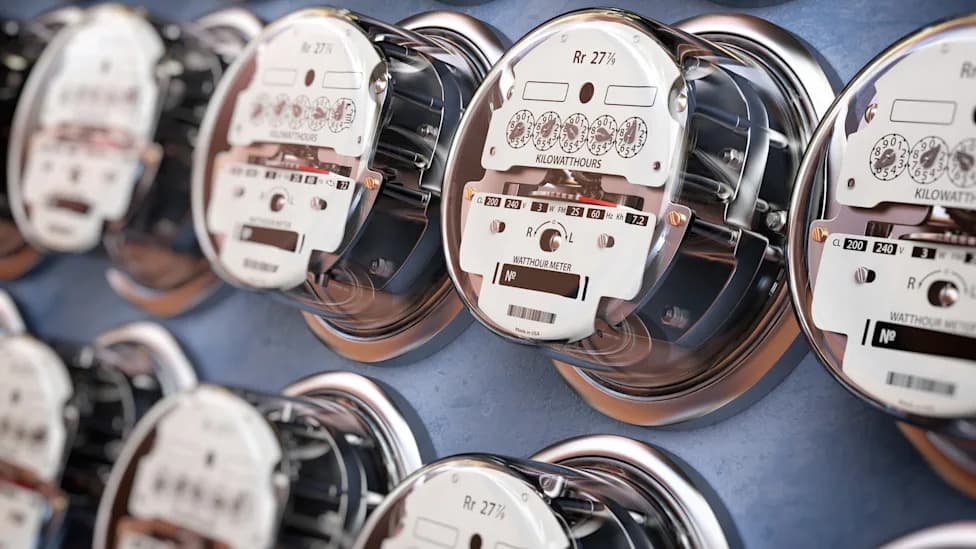
Georgia homeowner Lynn Kaden says a failure in an underground system tied to Georgia Power caused a power surge that damaged multiple appliances and left her with approximately $6,700 in repair and replacement costs. Georgia Power denied liability, saying the event could not have been "reasonably foreseen or prevented." Similar incidents have left other homeowners with depreciated payouts from utilities or higher insurance premiums. Experts recommend installing a whole-home surge protector at the breaker panel—typically costing about $300 to install—to help prevent large out-of-pocket losses.
Georgia Homeowner Hit With $6,700 Repair Bill After Alleged Utility Power Surge
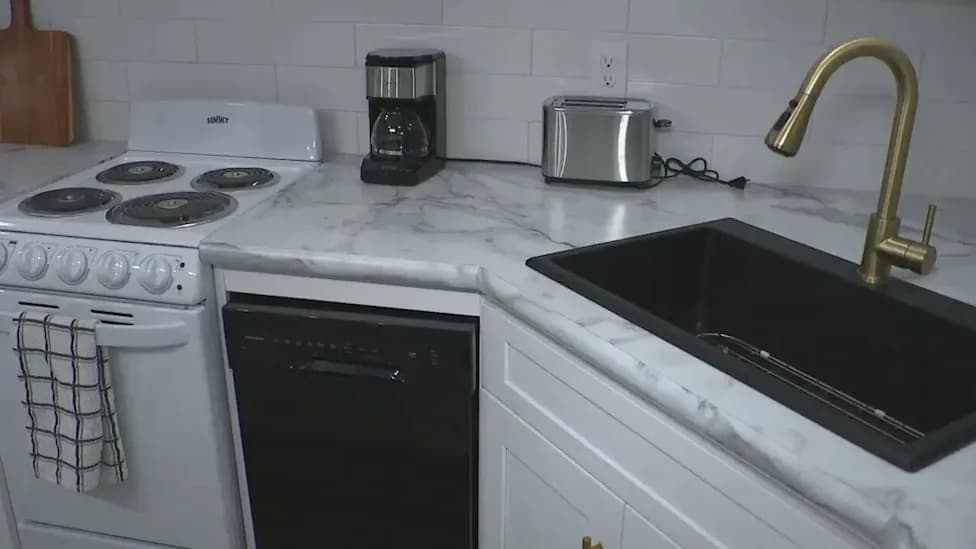
Image Credit: WSB-TV / YouTube.
A Georgia homeowner, Lynn Kaden, says a failure in an underground electrical system used by Georgia Power sent a surge into her house that damaged multiple appliances and home systems. Kaden estimates roughly $6,700 in repair and replacement costs for items including her stove, refrigerator, HVAC system and lighting.
What Happened
According to Kaden, the incident began on a quiet Saturday evening when alarms sounded and lights began blinking throughout her home. She told WSB-TV2 that a voltage fluctuation—apparently related to a line Georgia Power uses to balance voltage—caused the damage. "I just couldn't understand how I'm responsible for $6,700 by just sitting and watching my television," she said.
Utility's Response And Liability Issues
Kaden filed a claim with Georgia Power, but the utility denied responsibility, saying the event could not have been "reasonably foreseen or prevented." Because Georgia Power did not admit negligence, Kaden is currently left to cover the full cost.
Note: How utilities handle surge claims varies by state and by the circumstances of each event. Some utilities may accept partial responsibility; others deny claims unless negligence is proven.
Similar Cases And Insurance Tradeoffs
Reporting and consumer stories show this is not an isolated problem. For example, an 82-year-old California woman experienced a surge after a truck struck a power pole. The utility there accepted some blame but offered only the actual cash value of damaged items, which reflects depreciation and often results in small payouts for older electronics. When homeowners turn to their own insurance, agents warn that filing a claim can lead to significantly higher premiums.
How To Reduce Your Risk
Experts and manufacturers such as Generac recommend installing a whole-home surge protector at the main breaker panel. These devices, installed by a licensed electrician, help shield appliances from external voltage spikes. Industry site Angi estimates the cost to install a whole-home surge protector at around $300, depending on equipment and local labor rates.
Practical Steps For Homeowners After A Surge
- Document damage thoroughly with photos and a dated inventory of affected items.
- Keep all appliance repair estimates and invoices.
- File a formal claim with the utility and request a written decision.
- Contact your homeowner's insurance carrier to compare coverage and possible premium impacts.
- Consult a licensed electrician about installing a whole-home surge protector and inspecting your wiring.
While utilities, insurers and state rules differ, proactive steps—like surge protection and careful documentation—can reduce the financial risk if a similar event happens.
Help us improve.