Vladimir Putin linked the AfD's record 43.8% result in Saxony-Anhalt to what he called systematic Western mistakes across politics, security and the economy. Speaking in New Delhi during the BRICS summit, he suggested European governments had provoked a confrontation with Russia that unsettled voters. The article places his remarks alongside the ongoing war in Ukraine, allegations of Russian hybrid warfare, a suspected drone incident at Leipzig airport and strong rhetorical threats from Dmitry Medvedev.
Putin Says AfD's Breakthrough In Saxony-Anhalt Reflects 'Systematic Western Mistakes'
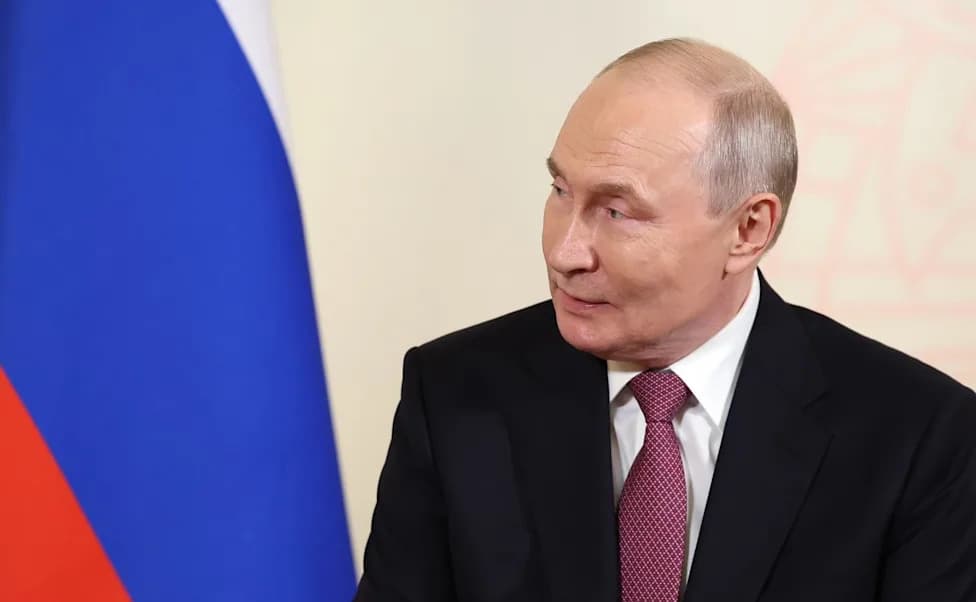
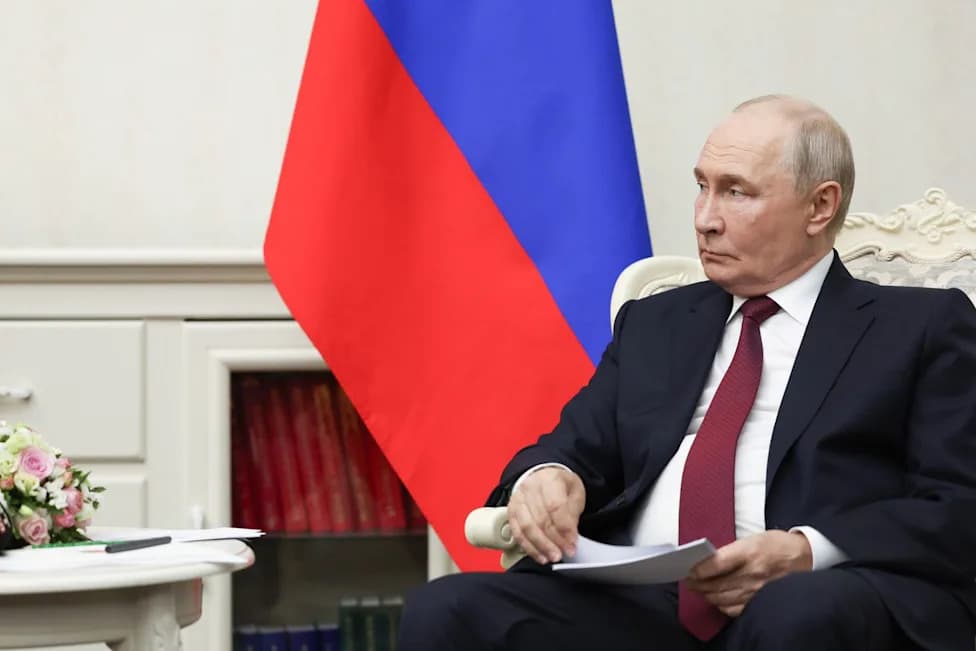
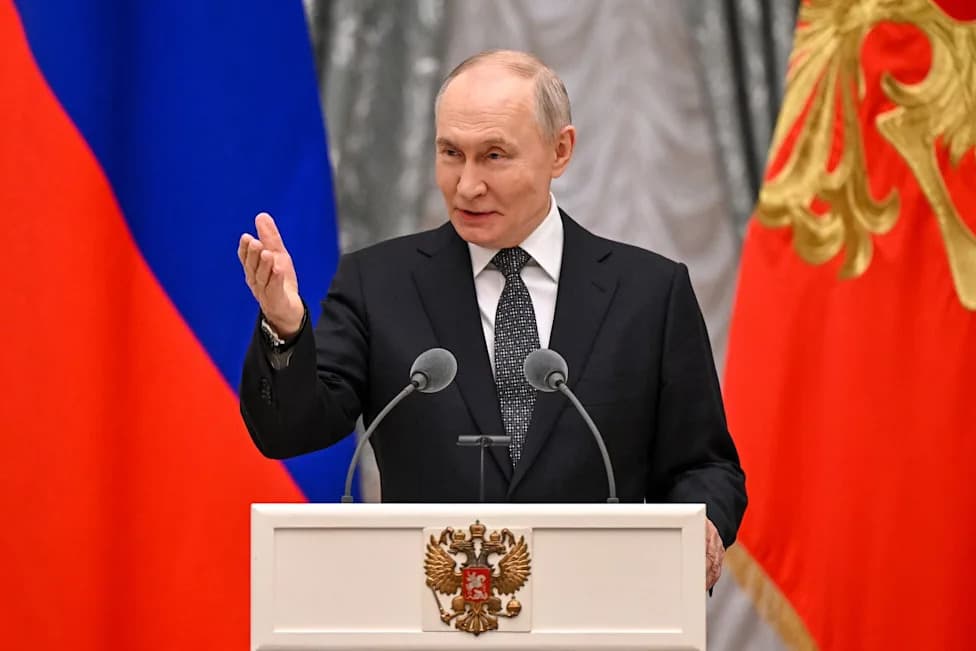
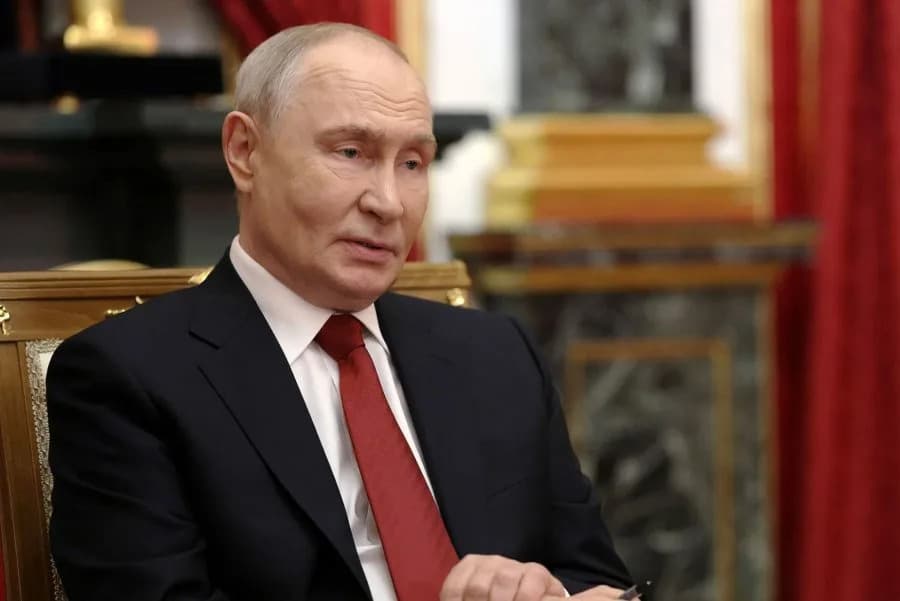
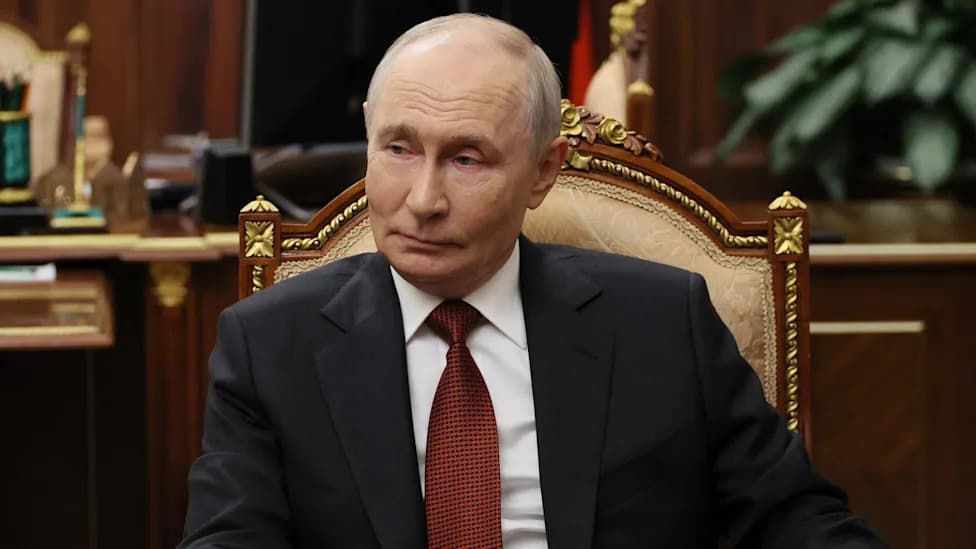
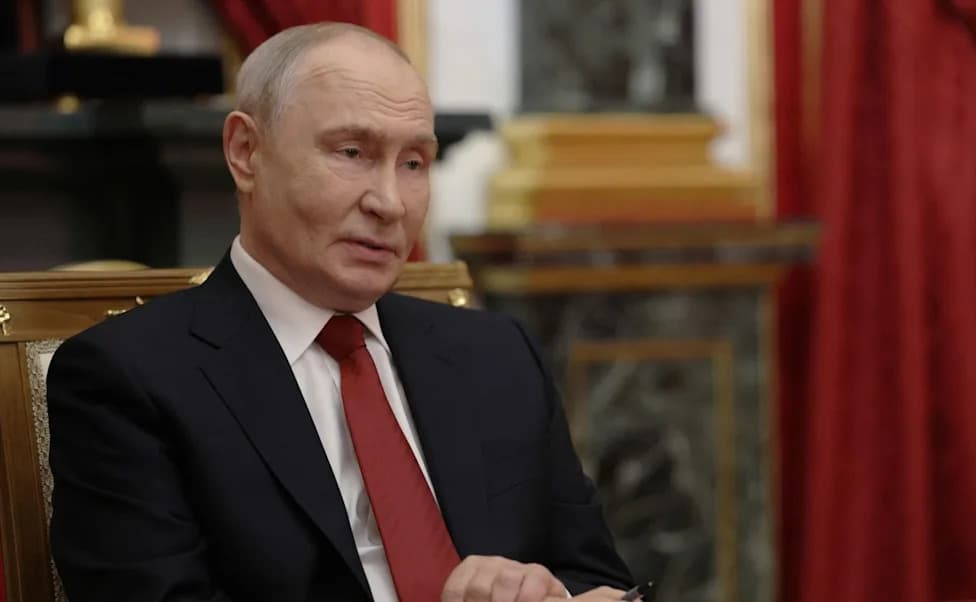
Russian President Vladimir Putin attends a meeting with Egyptian President Abdel Fattah el-Sisi on the sidelines of the 2026 BRICS Summit in New Delhi. (is associated with: «Putin links AfD success in German state vote to mistakes by the West») Kristina Solovyova/Kremlin/dpa
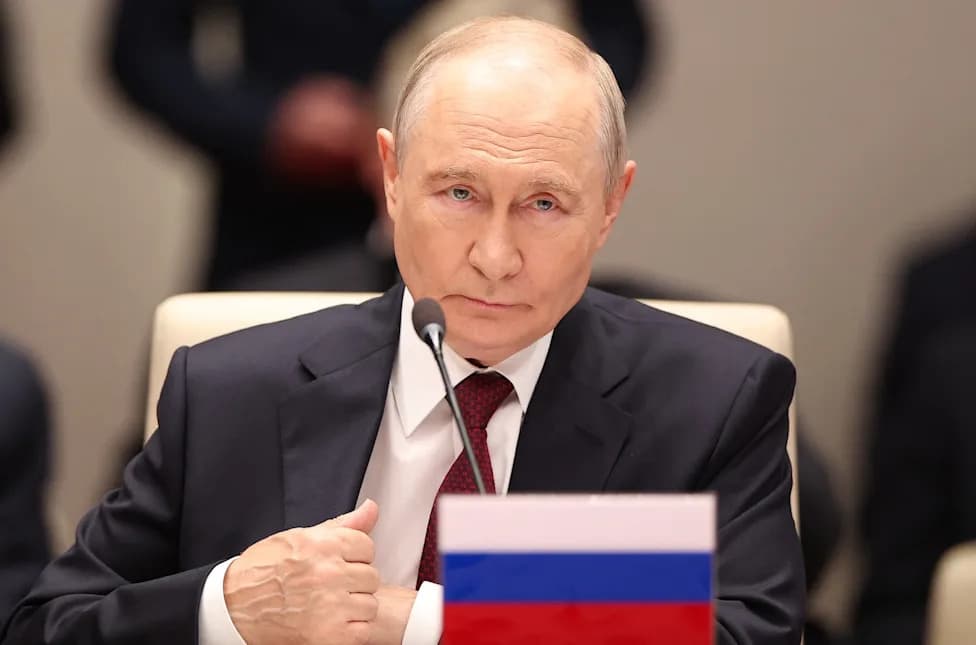
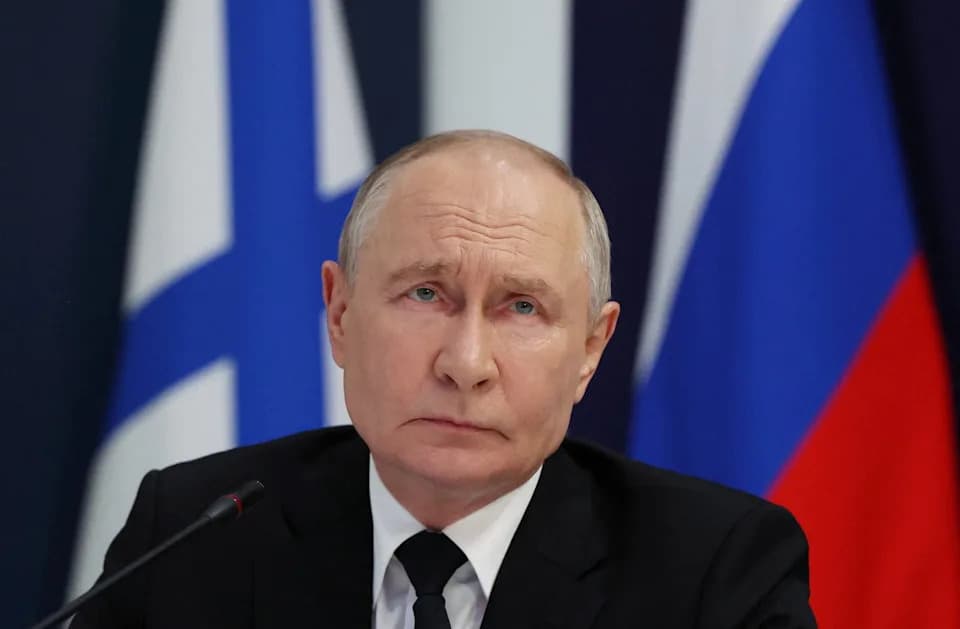
Russian President Vladimir Putin linked the far-right Alternative for Germany's (AfD) unusually strong showing in the Saxony-Anhalt state election to what he described as repeated mistakes by Western countries across politics, security and the economy.
Putin's Remarks in New Delhi
Speaking to journalists in New Delhi during the BRICS summit, Putin argued that recent developments in Europe were the product of those systemic Western errors and suggested that European governments had provoked a confrontation with Russia that unsettled domestic electorates.
“Do they want to revise the results of World War II? What are they pushing the people of their countries towards? A war with the Russian Federation?”
A Kremlin-aligned television correspondent, Pavel Zarubin, posted a video on Telegram in which Putin's comments were audible. He had been asked to comment on the Saxony-Anhalt outcome and responded at length, offering this interpretation of events in Europe.
Election Result And Wider Context
The AfD scored a record 43.8% in the Saxony-Anhalt ballot, narrowly missing an absolute majority. Putin said Europeans “understood what was happening,” implying that public concern about government policy helped drive the AfD's performance.
Observers note that Putin previously denied plans to go to war before ordering the large-scale invasion of Ukraine in February 2022. The conflict has now continued for more than four and a half years with devastating effects for Ukraine and major geopolitical consequences.
International Responses And Security Concerns
This year a coalition of over 35 countries agreed to provide Ukraine with legally binding assurances and proposed a framework for a multinational force designed to deter further aggression and assist Ukraine in peacetime roles such as training and airspace and maritime security.
Attempts at mediation, including recent US-led efforts, have not produced a breakthrough. Western and EU officials say Moscow continues to press maximalist demands that would effectively subjugate Ukraine.
Accusations Of Hybrid Warfare And The Leipzig Drone Incident
EU countries have repeatedly accused Russia of "hybrid warfare" — a mix of military, economic, intelligence and propaganda measures, including cyberattacks and targeted disinformation aimed at influencing public opinion and elections.
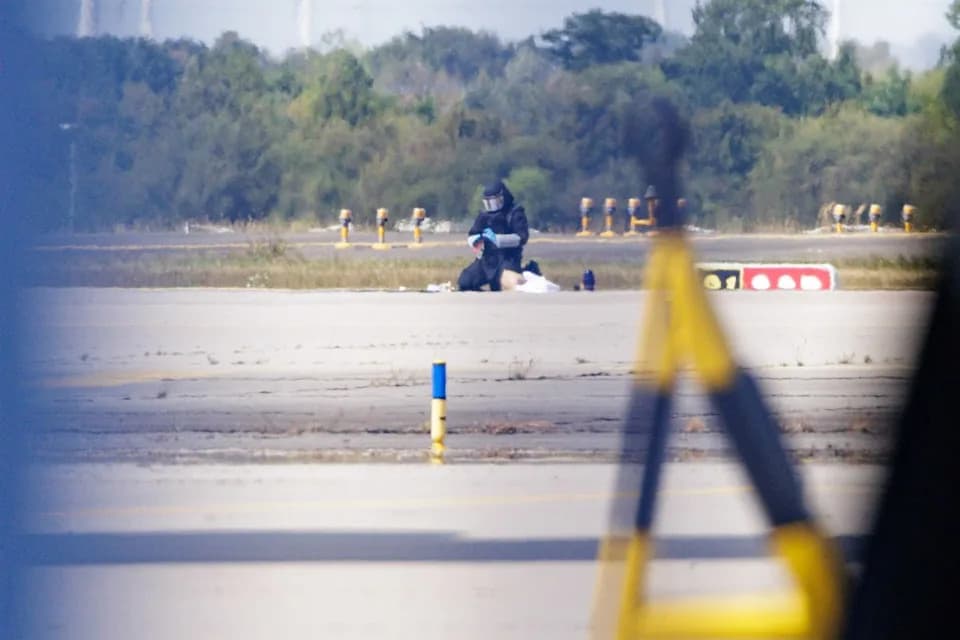
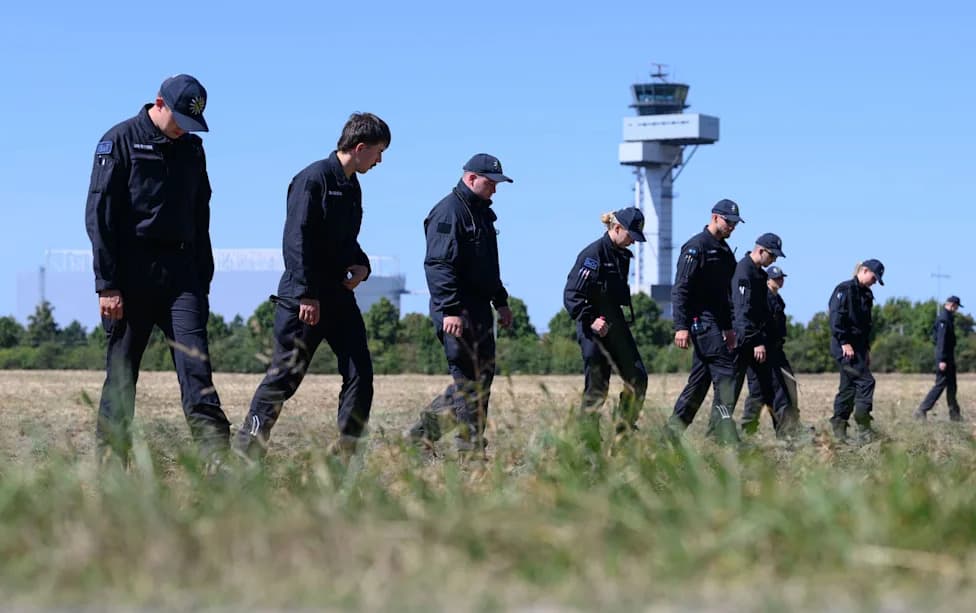
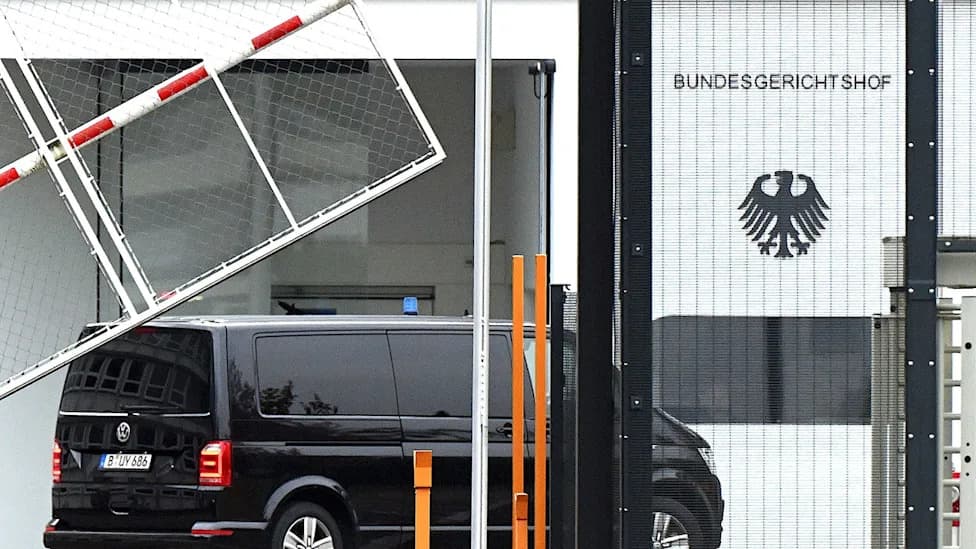
German authorities blame Russian intelligence for an attempted attack involving an explosives-laden drone found near a Ukrainian transport plane at Leipzig airport in early August; Moscow denies responsibility.
Escalatory Rhetoric From Moscow Figures
In response to German measures after the incident, former Russian president Dmitry Medvedev — now deputy chair of the Russian National Security Council — warned of “a direct strike” on German military production sites working with Ukraine and threatened “a few other places in Berlin.” Medvedev is known for inflammatory rhetoric, including past nuclear threats toward Western capitals.
What This Means: Putin framed the AfD vote as a symptom of broader Western failures, while the international community remains focused on security measures, diplomatic deadlocks, and the ongoing humanitarian and geopolitical consequences of the war in Ukraine.
Help us improve.