L3Harris has been awarded a $4.7 billion, seven‑year undefinitized contract by Lockheed Martin to produce propulsion systems for the PAC‑3 MSE interceptor, including two‑pulse solid rocket motors, attitude‑control motors and a "lethality enhancer." Lockheed's separate plan raises annual PAC‑3 production from 600 to 2,000, and L3Harris is building two Arkansas plants to support the increase by 2027. Demand for PAC‑3 MSE has surged amid conflicts in Ukraine and the Middle East, but analysts warn even the ramp‑up may fall short and note a costly imbalance between interceptors (~$4M) and low‑cost attacking drones (~$35k).
L3Harris Secures $4.7B Lockheed Contract to Ramp Up PAC-3 MSE Propulsion Production
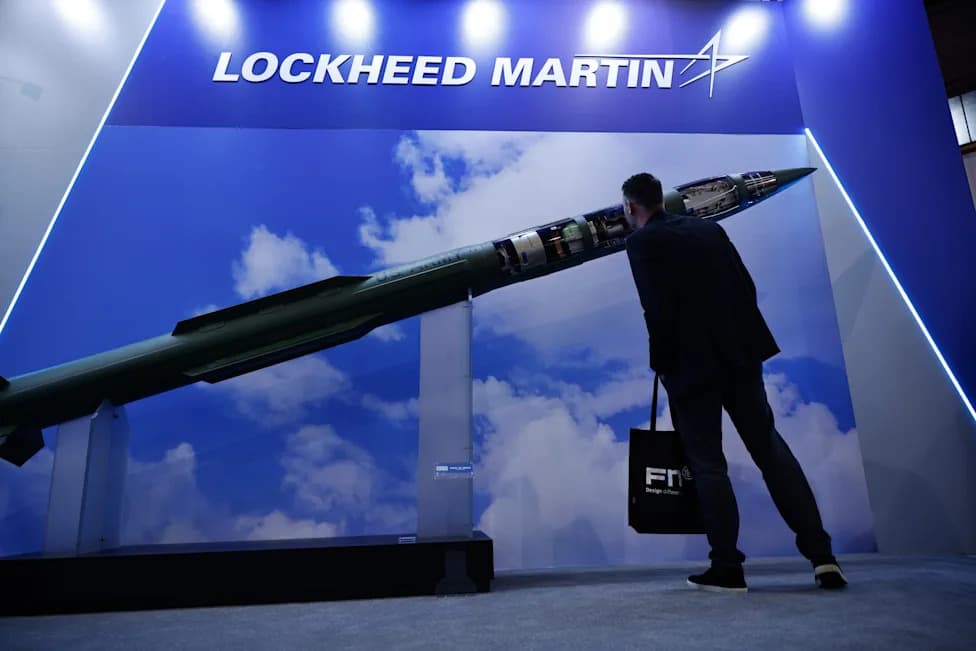
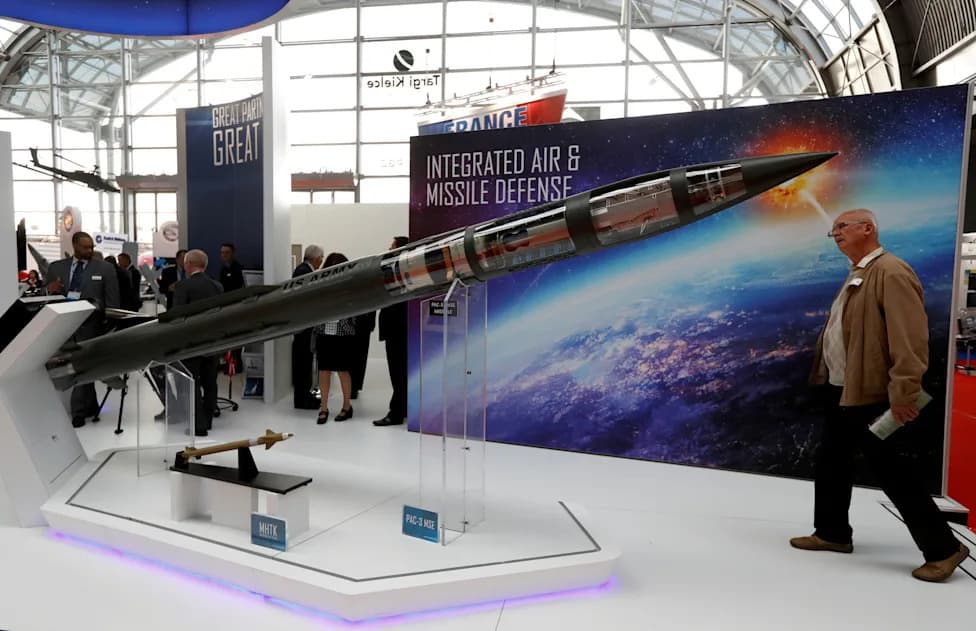
A replica of a Lockheed Martin PAC-3 Missile Segment Enhancement (MSE) interceptor is on display at the Brussels European Defense Exhibition and Conference in Brussels, Belgium, on March 12, 2026. (Simon Wohlfahrt/Bloomberg via Getty Images
L3Harris Technologies has won a $4.7 billion undefinitized contract award from Lockheed Martin to produce propulsion systems for the PAC-3 Missile Segment Enhancement (MSE) interceptor, the company said in a Sept. 8 statement. The seven-year award is the largest PAC-3 propulsion contract L3Harris has received to date and will support large‑scale production of the interceptor's key components.
Scope of Work
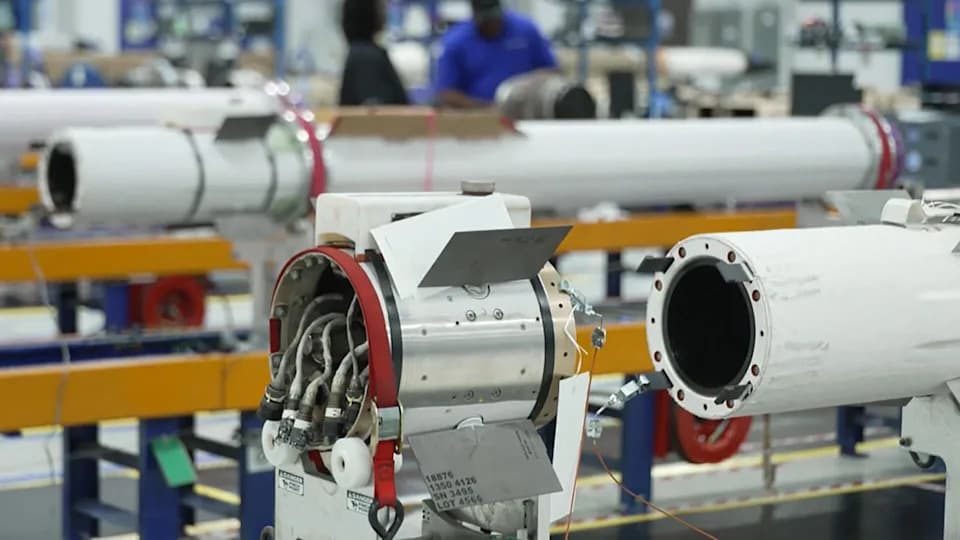
The work includes manufacturing the advanced two‑pulse solid rocket motor, multiple attitude‑control motors and a fragmentary explosive device described by the company as a "lethality enhancer." As an undefinitized contract, final terms and pricing will be negotiated and defined as work progresses.
Production And Facilities
Lockheed Martin announced a separate seven‑year framework earlier this year that raises annual PAC‑3 MSE interceptor production from 600 to 2,000 units. To meet the increased output, L3Harris began construction in June on two new manufacturing facilities in Arkansas; both plants are expected to be operational by 2027.
Rising Demand And Strategic Context
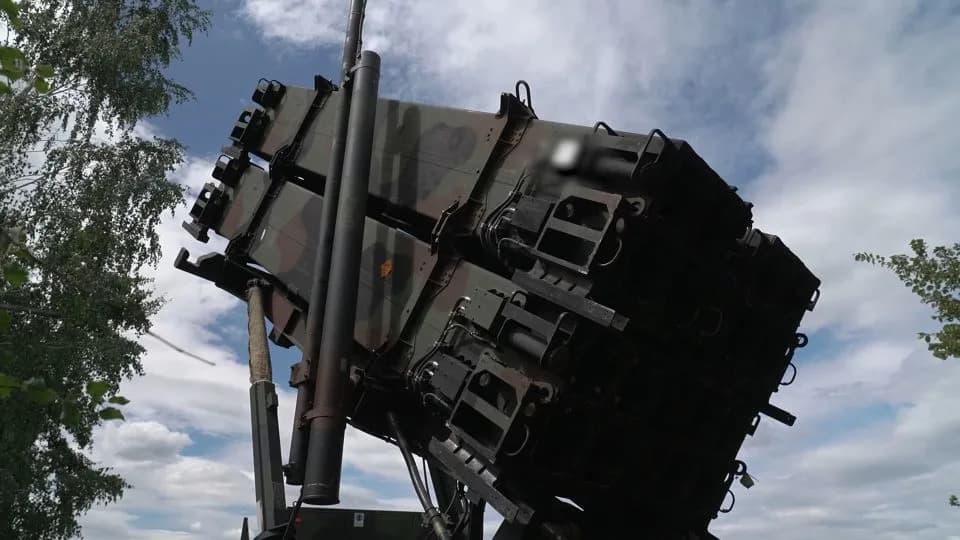
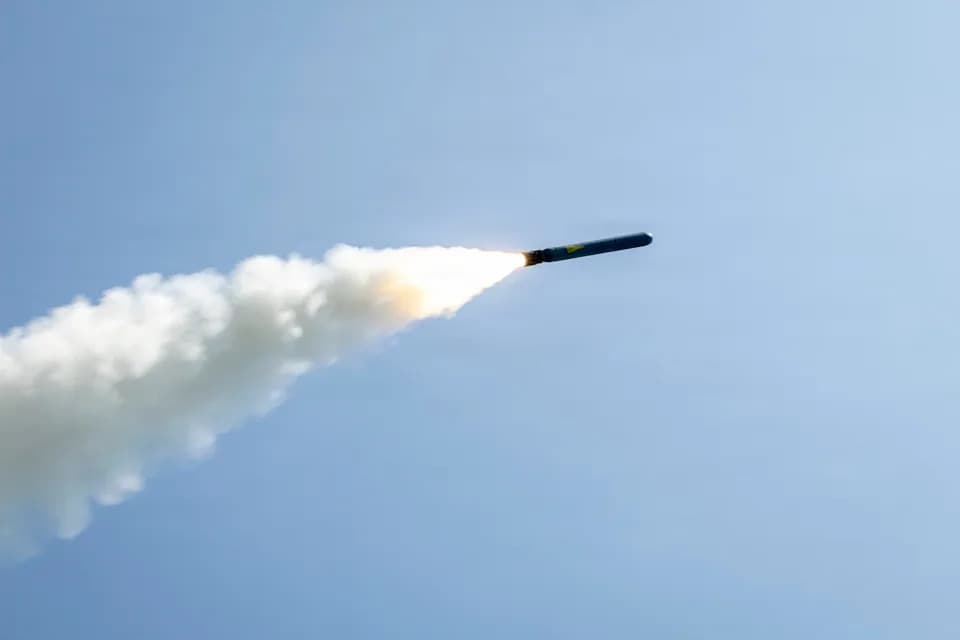
The production ramp reflects sharply rising demand for advanced air‑defense interceptors driven by sustained conflicts in Ukraine and heightened tensions and attacks in the Middle East, including strikes using low‑cost unmanned systems. The U.S. Army already fields the PAC‑3 MSE in its Patriot system, and the U.S. Navy has signaled plans to integrate PAC‑3 MSE into the Aegis Combat System for the first time.
Requests for PAC‑3 MSE by the Army and Navy surged 839%—from 341 in fiscal year 2026 to 3,203 in fiscal year 2027—according to an August report by the Center for Strategic and International Studies (CSIS) reviewing the Defense Department's fiscal 2027 budget requests.
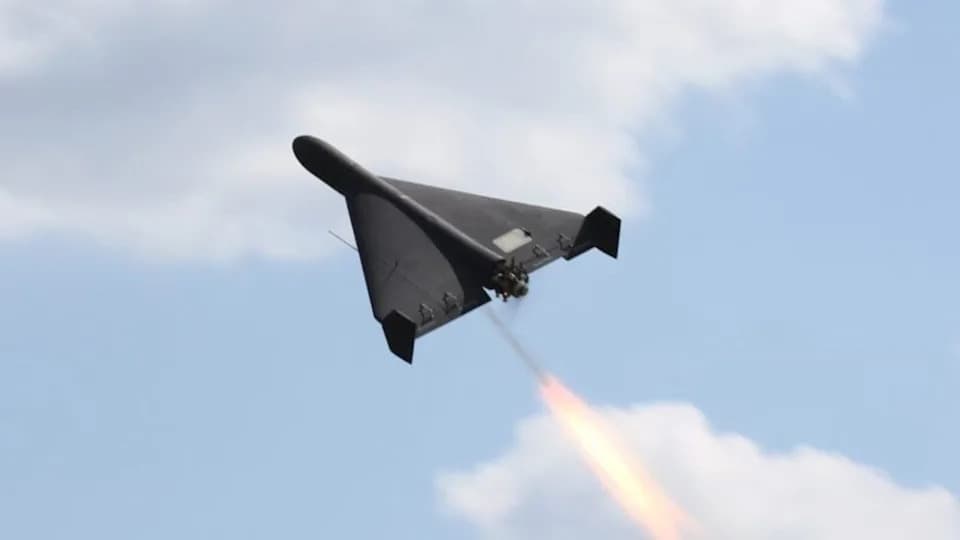
Experts caution that even a substantial production increase may not fully meet current demand. Planners also face a challenging cost imbalance: a PAC‑3 MSE interceptor is valued at roughly $4 million, while many attacking systems—such as Iran's Shahed family of drones—are estimated to cost on the order of tens of thousands of dollars each, complicating defenders' cost‑per‑threat calculations.
Outlook
The new contract and expanded manufacturing capacity aim to accelerate deliveries, but supply chain, workforce and technical ramp‑up challenges remain. Meeting the sharply higher procurement requests will require sustained investment, efficient production scaling and continued coordination between primes, suppliers and the U.S. defense establishment.
Help us improve.