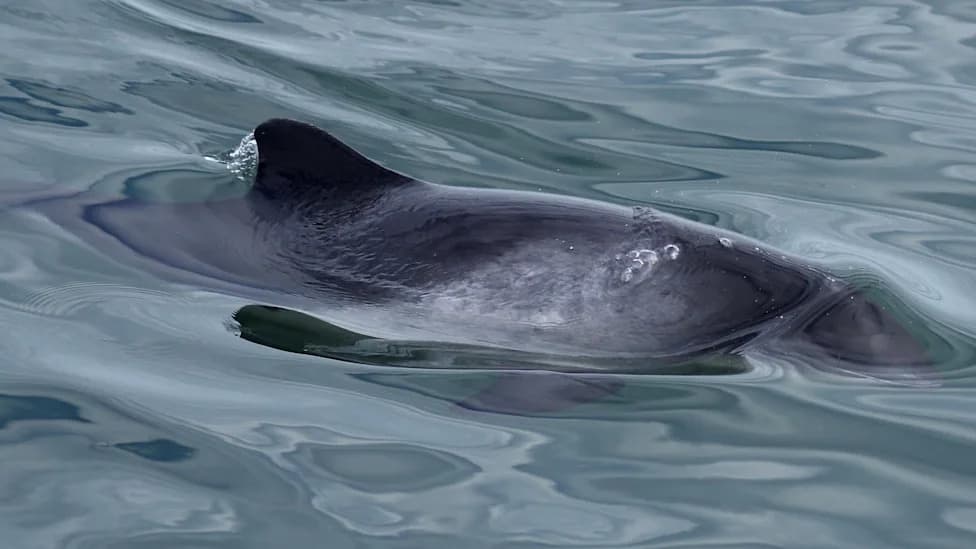
The vaquita porpoise, endemic to the northern Gulf of California, remains on the brink of extinction with fewer than 10 individuals left. Decades of accidental gillnet bycatch—now driven largely by illegal totoaba fishing—have caused the collapse from roughly 600 animals in the late 1990s to today. In May 2023, Mexican authorities and NGOs led a training expedition to build a new generation of observers and strengthen monitoring, with the goal of a Mexican-led survey in 2027. Recovery is considered possible but depends on removing illegal gillnets, stronger enforcement and sustained community cooperation.
Race to Save the Vaquita: Training a New Generation to Prevent Extinction
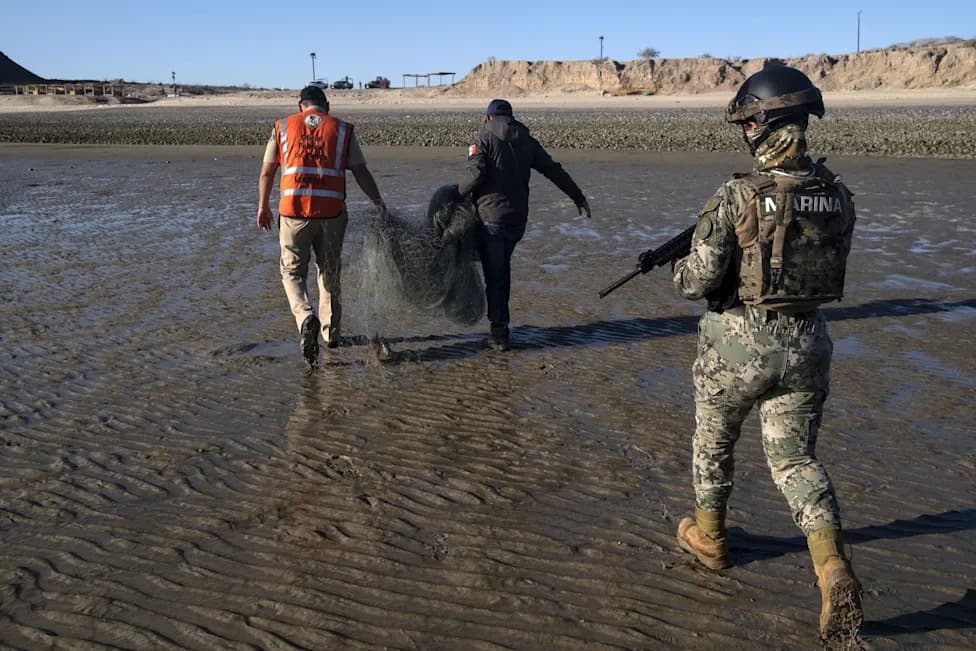
A Mexican Navy officer guards fishing authorities as they recover a fishing net on a beach taking advantage of the low tide during a search operation for illegal fishing nets off the coast of San Felipe, in the Gulf of California, Baja California state, northwestern, Mexico, on March 30, 2022, as part of the Milagro (Miracle) operation of the Sea Shepherd Conservation Society and Mexican authorities to save the critically endangered vaquita porpoise.
The vaquita, the world's most endangered marine mammal, remains perilously close to extinction. Fewer than 10 individuals are believed to survive in the northern Gulf of California, and conservation groups, scientists and Mexican authorities are racing to monitor and protect the last animals.
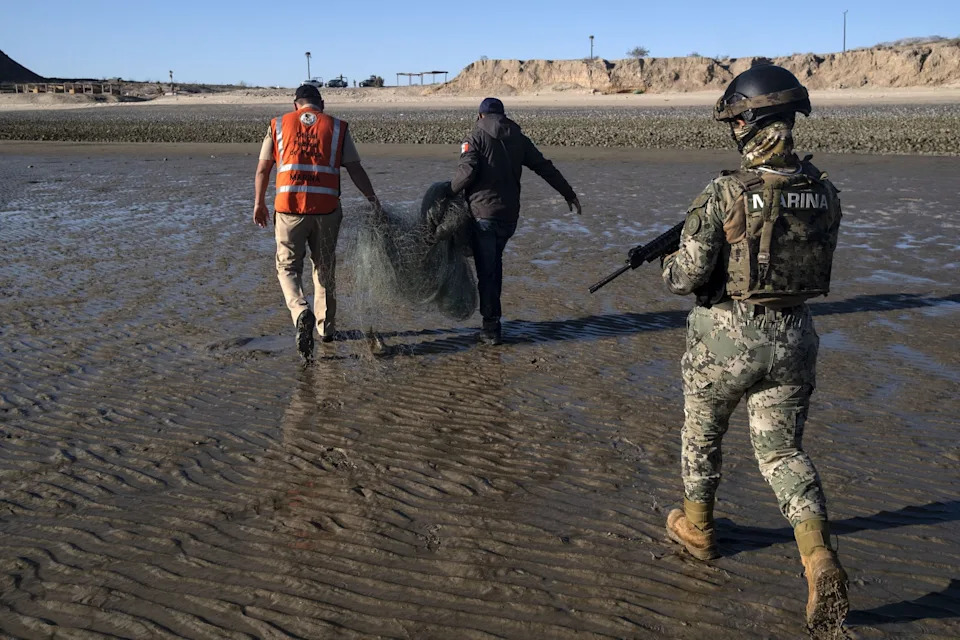
A Mexican Navy officer guards fishing authorities as they recover a fishing net on a beach taking advantage of the low tide during a search operation for illegal fishing nets off the coast of San Felipe, in the Gulf of California, Baja California state, northwestern, Mexico, on March 30, 2022, as part of the Milagro (Miracle) operation of the Sea Shepherd Conservation Society and Mexican authorities to save the critically endangered vaquita porpoise.
What Is the vaquita? The vaquita is a small porpoise endemic to the northern Gulf of California. Often mistaken for a dolphin, it is the smallest porpoise species—about 5 feet long and up to 120 pounds—distinguished by dark rings around its eyes and lips. Despite its role as a top predator in its local ecosystem, the vaquita is extremely shy and surfaces only briefly, which makes it hard to detect.
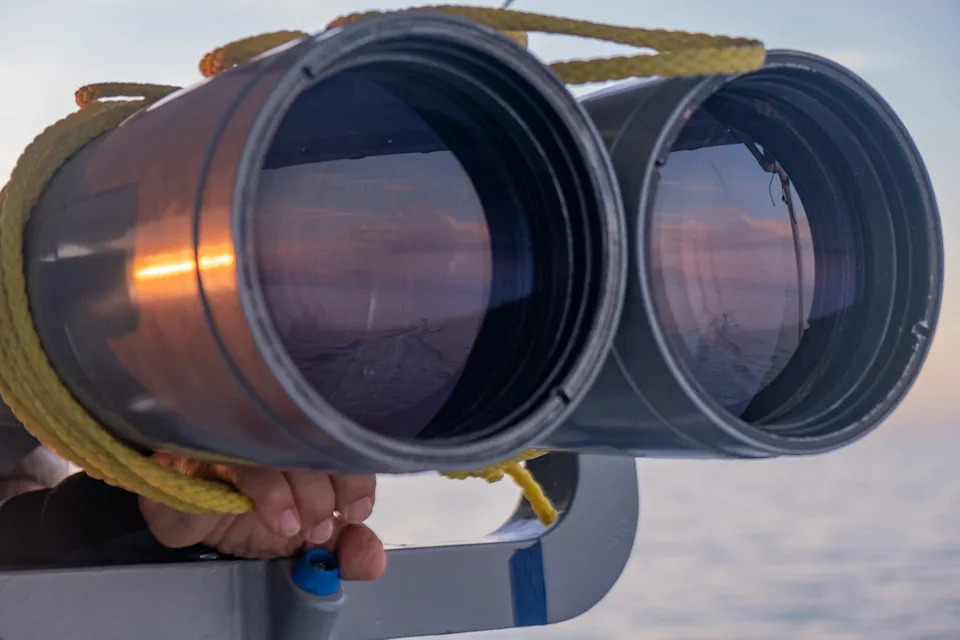
A biologist looks for vaquita porpoises during a census mission as part of the efforts to save the endangered vaquita porpoise near San Felipe, in the Gulf of California, Baja California State, northwestern Mexico, on May 19, 2023.
How the Population Collapsed
Experts estimate the population fell from roughly 600 animals in the late 1990s to fewer than 10 today. Accidental entanglement in gillnets set for fish and shrimp has driven this long-term decline. NOAA Fisheries identifies illegal fishing for the totoaba—an endangered fish whose swim bladder is trafficked on the black market—as the greatest immediate threat, because the gillnets used to catch totoaba also drown vaquitas.
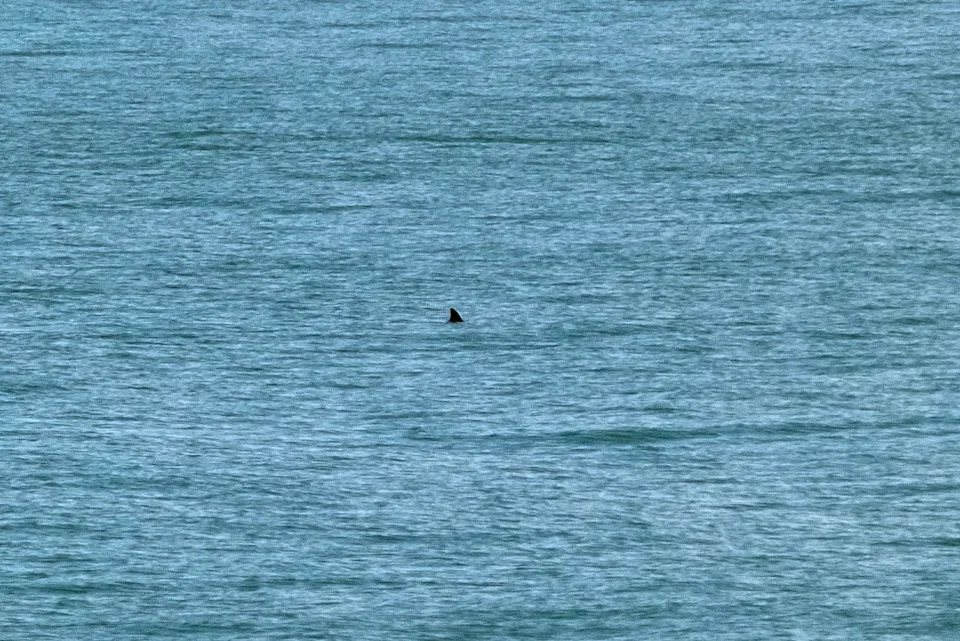
The dorsal fin of a vaquita porpoise is seen swimming during a census mission run by the Sea Shepherd Conservation Society and Mexican authorities as part of the efforts to save the endangered vaquita porpoise.
The last comprehensive international survey in 2015—conducted by teams from Mexico, the U.S., the U.K. and Germany—estimated fewer than 60 vaquitas remained. Since then, monitoring groups and NGOs have reported continuing declines and extreme rarity in sightings.
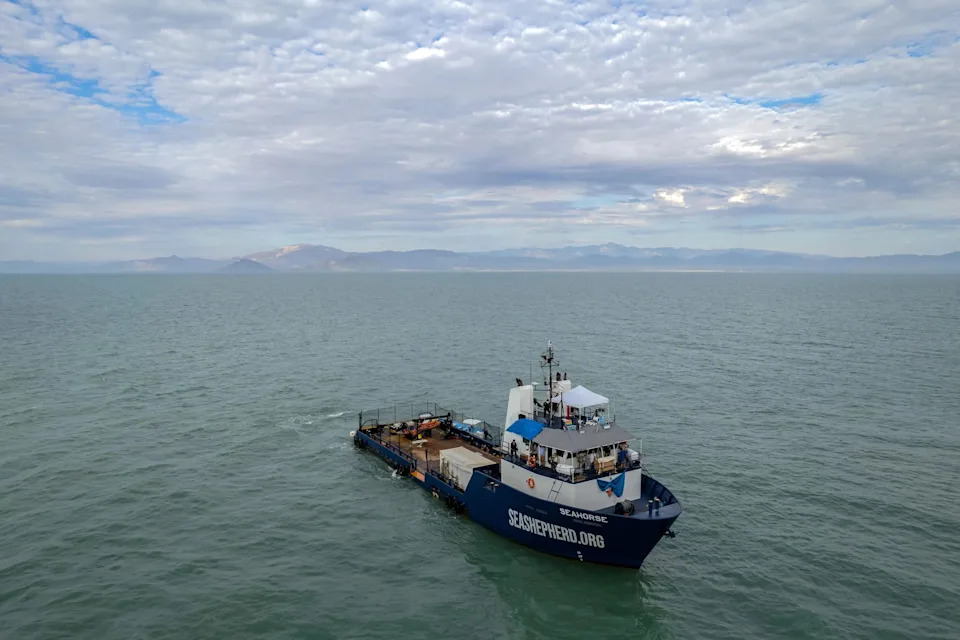
Aerial view of the Sea Shepherd Conservation Society vessel Seahorse taken during a census mission, part of the efforts to save the endangered Vaquita porpoise near San Felipe, in the Gulf of California, Baja California State, northwestern Mexico, on May 19, 2023.
Training the Next Generation of Observers
In May 2023, Mexican authorities and environmental groups including the Sea Shepherd Conservation Society ran a 10-day expedition that provided hands-on training to new observers. The mission focused on strengthening monitoring, advancing research, engaging local communities and building local capacity. Sea Shepherd and partners say the campaign aims to create a predominantly Mexican team able to lead a vaquita observation expedition in May 2027.
Spotting a vaquita demands patience, skill and luck: observers must recognize fleeting dorsal fins or small surface blows before the animal disappears. Training new observers preserves those critical skills and helps expand long-term monitoring capacity in the region.
What Needs To Happen Next
Conservationists stress three core priorities: remove illegal gillnets from the vaquita's remaining habitat, strengthen enforcement against totoaba trafficking, and expand community-based alternatives for local fishers. Science-based recovery efforts, sustained funding and cooperative enforcement between authorities and communities are essential. Organizations such as the National Marine Mammal Foundation and World Wildlife Fund say recovery remains possible—but only with urgent, coordinated action.
Bottom line: The race to save the vaquita is far from over. The species' future hinges on eliminating illegal gillnets from the small stretch of the Gulf of California where the remaining animals survive and on continued investment in monitoring, enforcement and local engagement.
Help us improve.