The Aquarium of the Pacific accepted nearly 500 trafficked marine animals after a seizure of more than 2,000 creatures. Staff rapidly prepared quarantine systems, evaluated each animal and treated many suffering from wounds, parasites and severe weight loss. The intake included endangered Banggai cardinalfish and near-threatened brownbanded bamboo sharks; many animals have since stabilized or been rehomed to accredited facilities. Aquarium leaders emphasized that illegal marine trade often prevents rescued animals from being returned to the wild.
Nearly 500 Trafficked Marine Animals Given a Second Chance at Aquarium of the Pacific
Aquarium cares for nearly 500 trafficked marine animals
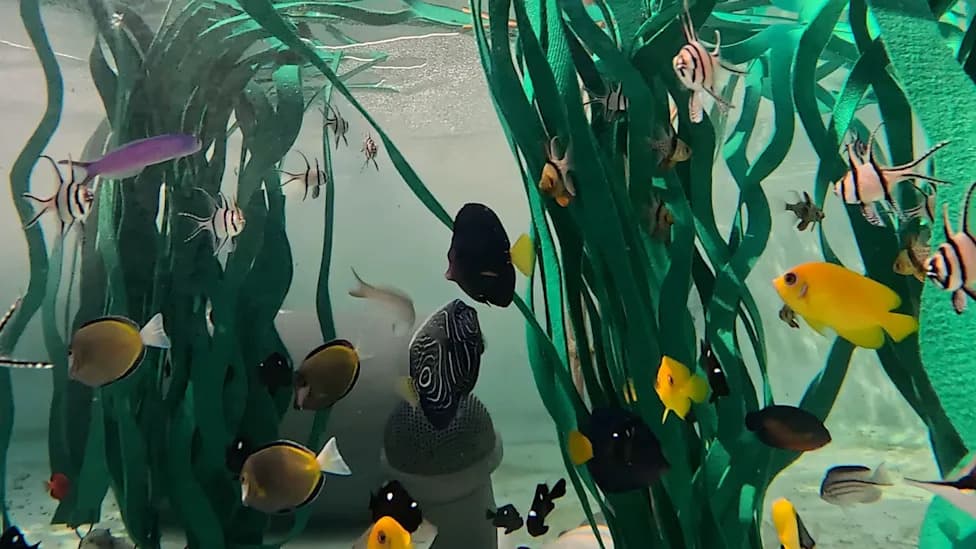
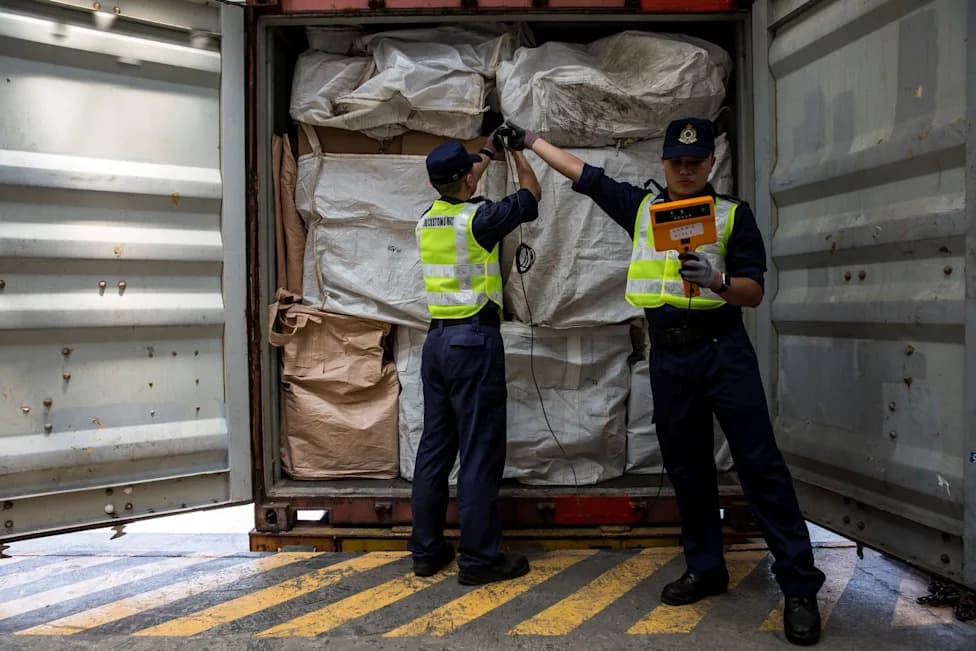
The Aquarium of the Pacific has taken in nearly 500 marine animals after a large-scale wildlife seizure in which authorities confiscated more than 2,000 creatures. Staff were alerted that hundreds of tropical fish and invertebrates required immediate placement and care, triggering a rapid response to prepare quarantine systems and holding areas.
Rapid Response and Immediate Care
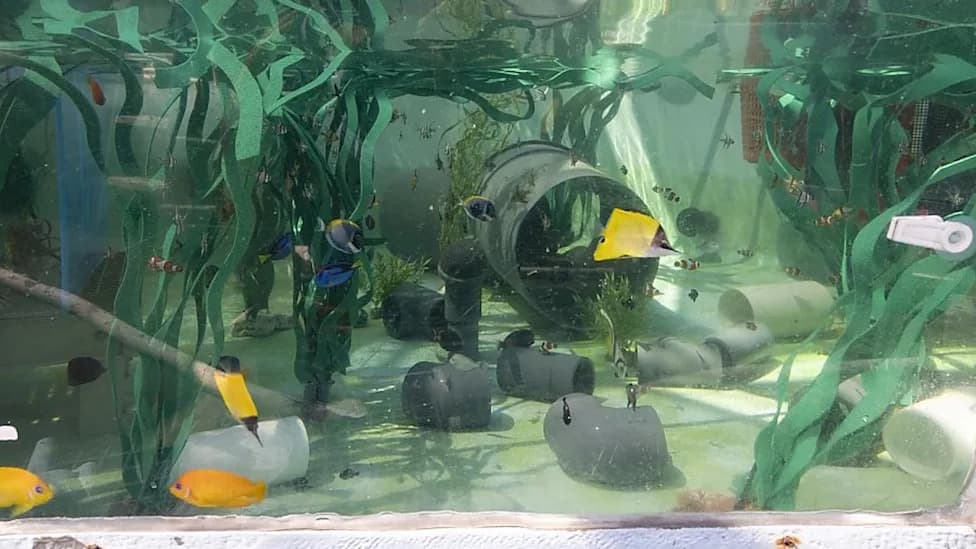
On receiving the notification, aquarium teams quickly unpacked, identified, counted and assessed each animal before moving them into acclimation and quarantine systems. While many arrived in acceptable condition, a substantial number showed signs of severe stress: open wounds, parasites, and extreme weight loss. Veterinary and quarantine staff provided medical treatment to prevent infection and begin rehabilitation.
"Aquarium of the Pacific received a call from wildlife officers with very little information about the species requiring care, only that there were hundreds of tropical marine fish and invertebrates needing immediate placement," said Alyssa Tillman, the Aquarium's assistant curator of fish and invertebrates. "The team onsite immediately began preparing quarantine systems for the animals' arrival."
Species of Concern
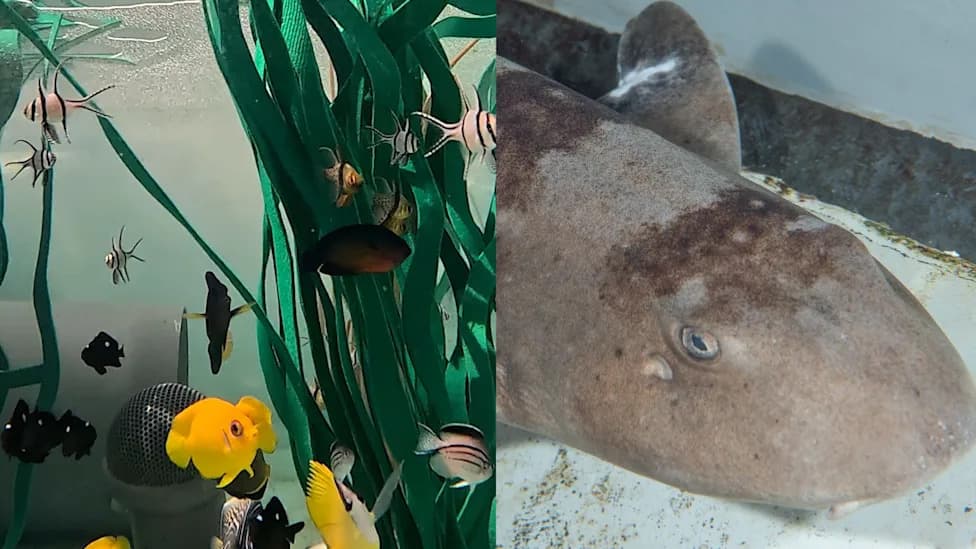
The intake included a broad mix of marine life — clownfish, butterflyfish, rabbitfish, corals, anemones and snails — as well as species of conservation concern such as Banggai cardinalfish (listed as endangered by the IUCN) and brownbanded bamboo sharks (listed as near threatened). Caring for such a diverse group required tailored diets, social arrangements and medical plans.
Challenges, Outcomes and Placement
"The biggest challenge was deciding where to place each animal," Tillman said, noting that dietary and social needs varied widely across species. Over the following weeks and months, many animals stabilized under quarantine and rehabilitation protocols. Some remain at the Aquarium of the Pacific, while others have been transferred to accredited institutions where they have found permanent homes.
Wildlife Trafficking: A Broader Threat
Jeff Flocken, Aquarium president and CEO, stressed that this seizure highlights the larger and largely hidden problem of illegal marine trade. "Wildlife trafficking disrupts national and global ecosystems and puts animals on the path to extinction," he said. The Aquarium also noted that confiscated animals are often ineligible for release because their origin cannot be verified, they may carry disease from transport, or they are no longer fit to survive in the wild.
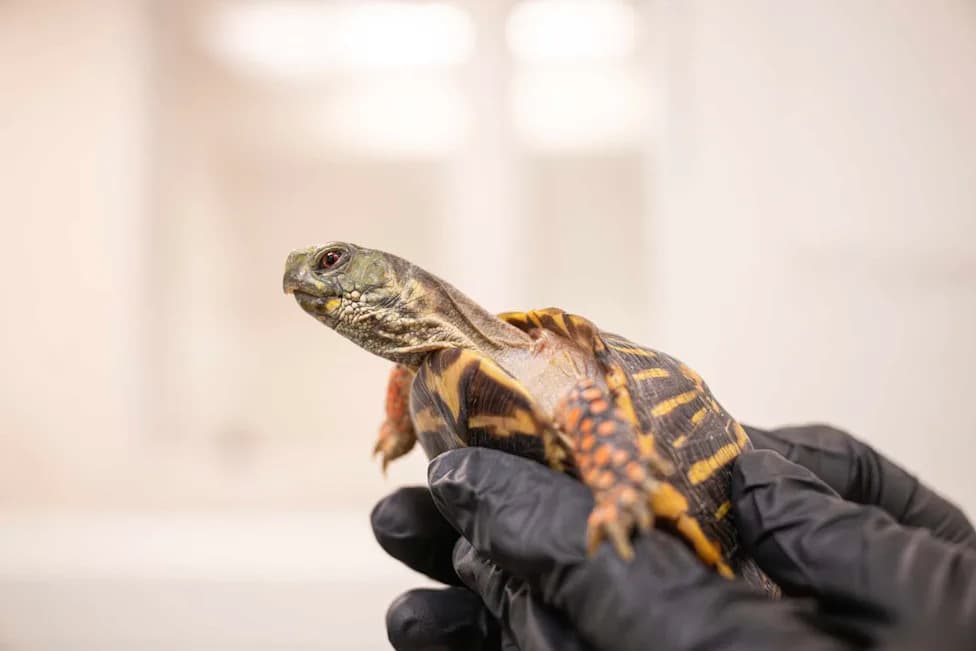
More than two months after the intake, staff report meaningful progress: many animals have stabilized and several have been rehomed to accredited facilities. Since joining the Southern California Wildlife Confiscations Network in 2023, the Aquarium of the Pacific has assisted more than 3,300 trafficked animals, including fish, corals, reptiles and axolotls.
For these animals, arriving at the Aquarium of the Pacific offered a second chance — and a reminder of the ongoing work needed to combat illegal wildlife trade.
Help us improve.