About 241,000 Uber drivers across the EU and U.K. have filed a collective lawsuit in Amsterdam accusing Uber of using an opaque AI system to tailor pay and assign trips in ways that breach GDPR. The suit, led by Worker Info Exchange and James Farrar, claims dynamic pay introduced in the U.K. in 2023 has cut annual earnings by roughly £5,000, and that Uber trained models on driver data without proper consent. The drivers seek compensation and an order to stop the practices; Uber denies the allegations. The case could set a major precedent on algorithmic management and worker rights.
241,000 Drivers Sue Uber in Amsterdam Over 'Black Box' Pay Algorithm and GDPR Violations
Photo Credit: iStock
Hundreds of thousands of Uber drivers across Europe have launched a collective legal challenge in Amsterdam, accusing the company of using an opaque artificial intelligence system to shape pay, allocate trips and undermine drivers' livelihoods.
The Claim
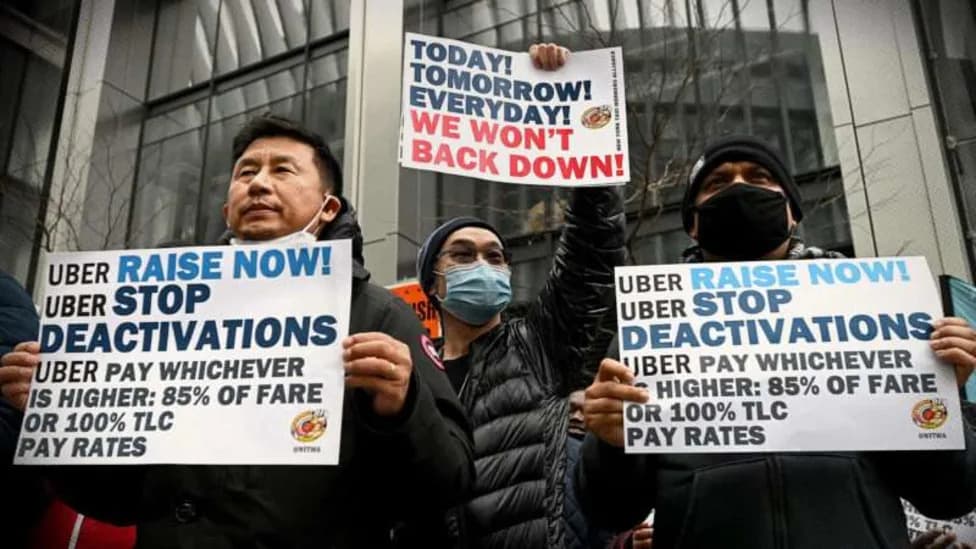
Filed in the city that hosts Uber’s European headquarters, the claim brings together drivers from the United Kingdom, the Netherlands and other countries. The lawsuit, led by campaign group Worker Info Exchange, alleges Uber relied on automated profiling and algorithmic decision‑making to tailor pay offers and assign rides in ways that breach European data protection rules, including the GDPR.
Who Is Involved
Worker Info Exchange represents roughly 241,000 drivers across the EU and the U.K. The campaign is led by James Farrar, who previously won a U.K. Supreme Court ruling recognising Uber drivers’ worker rights. The European Trade Union Confederation has described the action as an unprecedented collective legal case.
Drivers' Accounts
Drivers describe Uber’s system as a “black box” that can show different fares to different drivers for essentially the same job and reduce return‑trip offers if the algorithm predicts a driver will refuse to head home empty. Kola Oba, an Uber driver in north London, told The Guardian:
“It's scary — they have all my information and they are using it against my own wellbeing. It defines how much I earn, how long I have to work, my time with my family, my resting time.”
Mohammed Shirwa, a 41‑year‑old Uber driver in Rotterdam, said the system feels omnipresent:
“It is like someone watching you all the time and knowing about your weakness – the boss is the algorithm. All the time the algorithm is learning about you and what you are willing to accept. So the prices go low but you are stuck. It knows you need the job.”
Allegations and Evidence
The court filing says Uber introduced a dynamic pay system in the U.K. in 2023 and that drivers’ annual earnings have fallen by about £5,000 (nearly $6,800) since then; the Netherlands adopted similar measures in 2026. The complaint also alleges Uber trained AI models on drivers’ data without proper authorisation and used opaque profiling to influence offers and payments.
Regulatory Pressure
Regulators in Europe are already scrutinising Uber. In August 2026 the Dutch data protection authority fined the company €825 million (around $959 million) over automated account deactivations it judged were carried out without adequate notice; Uber has said it will appeal.
Uber's Response
Uber has publicly rejected the allegations in the Amsterdam claim. A company spokesperson told The Guardian: “While we haven't seen the claim yet, we categorically reject the allegations.” Uber also said a driver’s previous behaviour does not determine an individual trip price and argued that dynamic pricing can increase earnings for less desirable journeys.
Why It Matters
The drivers are seeking compensation and a court order to halt practices they say violate GDPR rules. Legal experts say the case could become a landmark test of how much operational control firms may hand to algorithms when managing human workers — with implications beyond ride‑hailing as employers increasingly use AI to allocate tasks, predict behaviour and influence decisions.
Meanwhile, Uber continues strategic changes such as a shift to electric vehicles. The outcome of this case could affect not only how platforms set pay and manage drivers but also broader rules on transparency and accountability for algorithmic management.
Help us improve.