In August 2026 Romania sank four rock-filled barges in the Danube to try to redirect water toward the Cernavoda nuclear plant after a severe drought pushed the river to a record low of 49,440 cu ft/s (≈1,400 m³/s). Despite the emergency measures and blasting of a large rock, Nuclearelectrica ordered a controlled shutdown of the plant’s second reactor on August 13; the first reactor had closed in July. The episode highlights how water is essential not only during operation but also after shutdown because of decay heat, and it has renewed interest in dry cooling, desalination integration, and alternative reactor designs that use less or no river water.
How Romania Sank Barges in the Danube to Protect Cernavoda — And Why It Failed
arafatmyt/Shutterstock
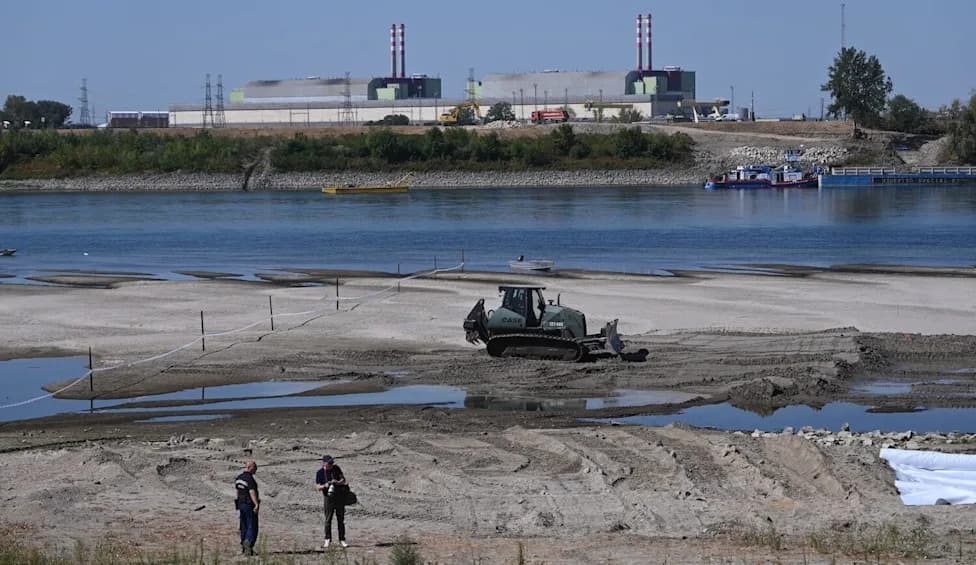
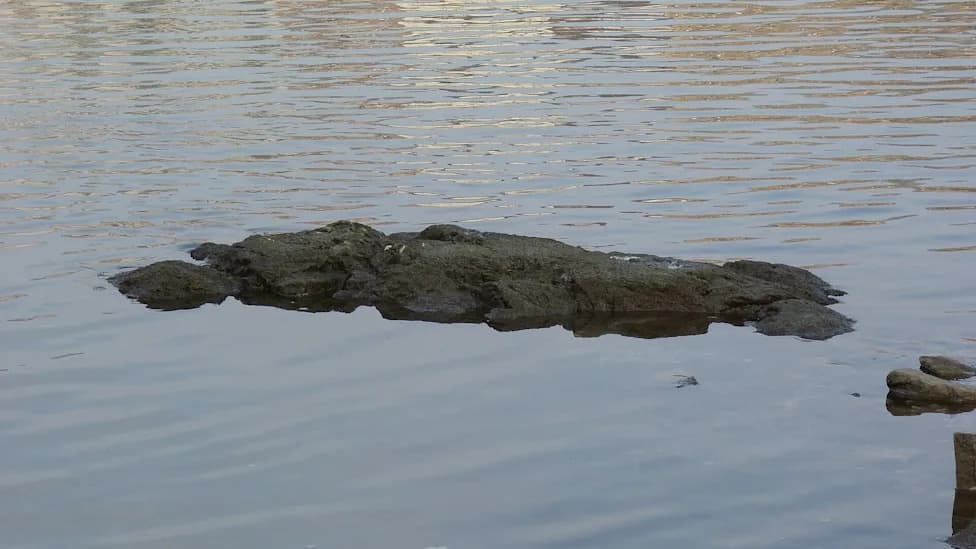
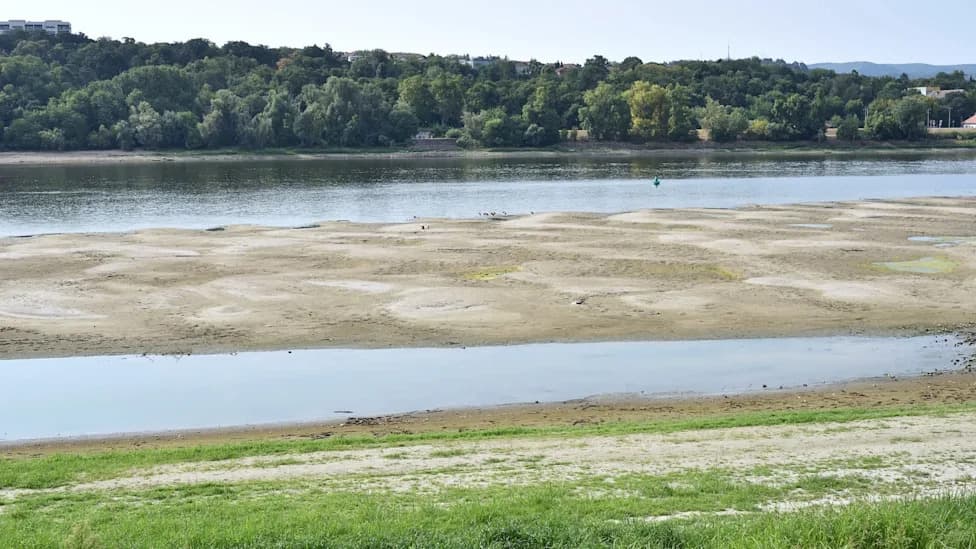
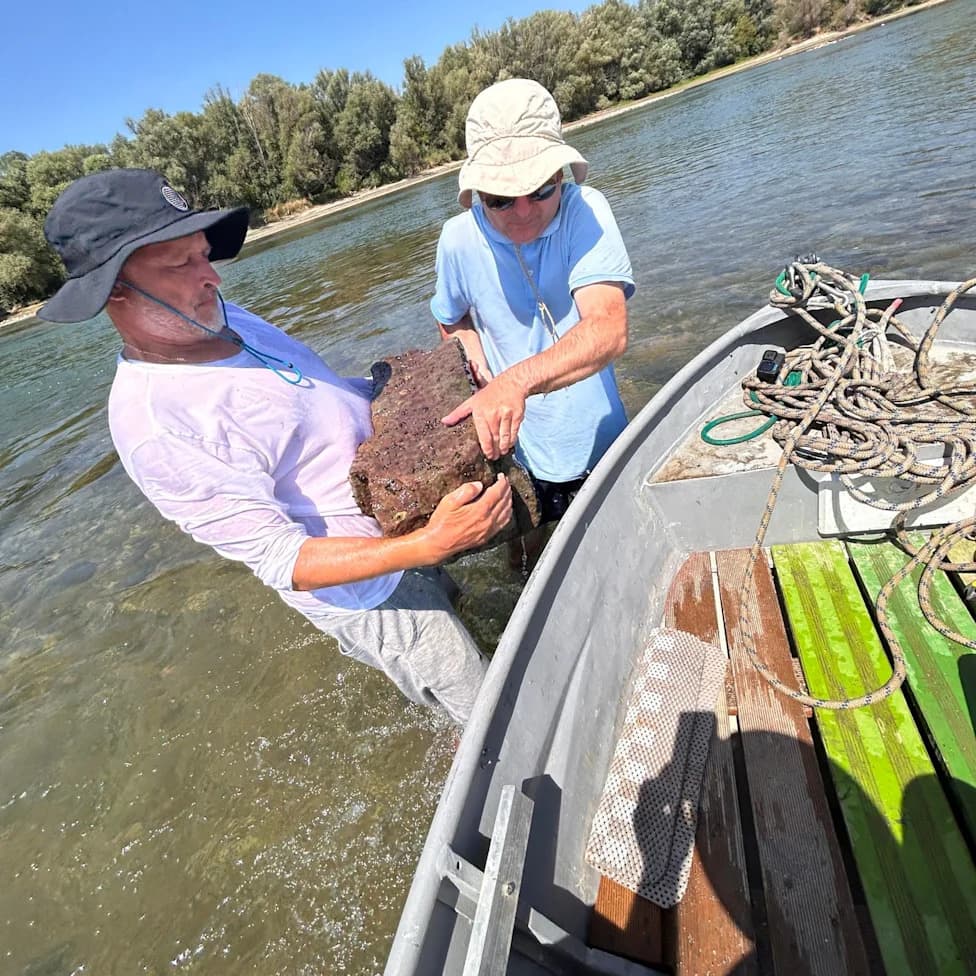
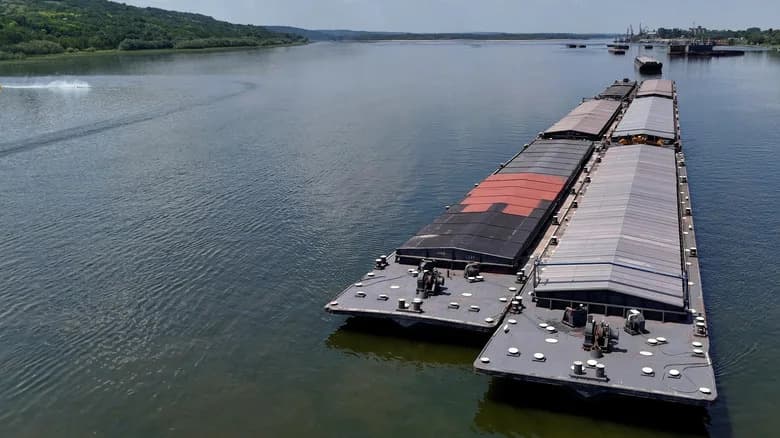
In August 2026 Romania deliberately sank four rock-filled barges in the Danube River in a last-ditch effort to redirect water toward the Cernavoda nuclear power plant after an intense summer drought reduced the river’s flow to a record low of 49,440 cubic feet per second (≈1,400 m³/s). Despite also blasting a large rock to influence currents, the measure could not prevent a controlled shutdown of Cernavoda’s remaining reactor.
What Happened
The barges were loaded with stone and strategically sunk to alter local flow patterns and concentrate cooling water availability for the country’s only nuclear facility. Romania’s state nuclear operator, Nuclearelectrica, announced on 13 August 2026 that it would begin a controlled shutdown of Cernavoda’s second (and last) reactor because available cooling water had become insufficient. The plant’s first reactor had already been taken offline in July for the same reason.
Zhongguo/Getty Images
Why Water Matters For Cernavoda
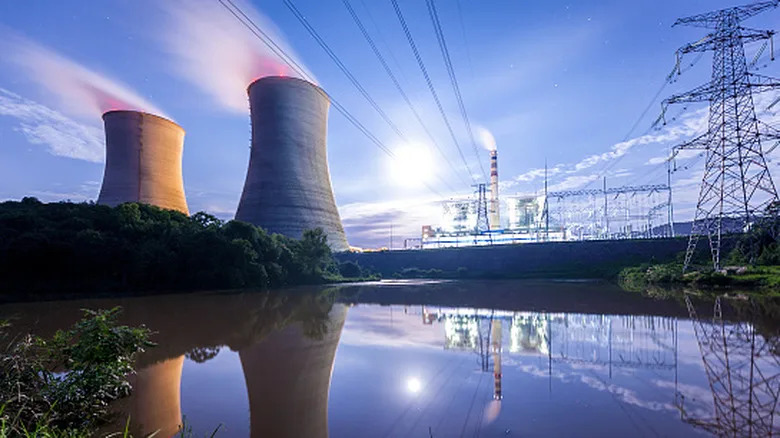
Cernavoda’s reactor cores are cooled and moderated with heavy water (deuterium oxide). While the river water is not the reactor’s internal primary coolant, it functions as the external heat sink that rejects waste heat after steam has driven turbines and been condensed for reuse. Even after a reactor is shut down, radioactive decay continues to produce significant "decay heat," so water is required to remove that heat until temperatures fall to safe levels. All water-cooled plants maintain emergency water reserves for exactly the kind of scenario when the primary supply is compromised; in this case the plant was taken offline before operators had to rely on those reserves.
Technical Context: Cooling Options and Trade-Offs
Conventional water-cooled plants are sited near ample cold water sources because thermodynamic efficiency improves with a larger temperature difference between the heat source and the environment. Where river access is vulnerable to drought, alternatives exist:
Phbcz/Getty Images
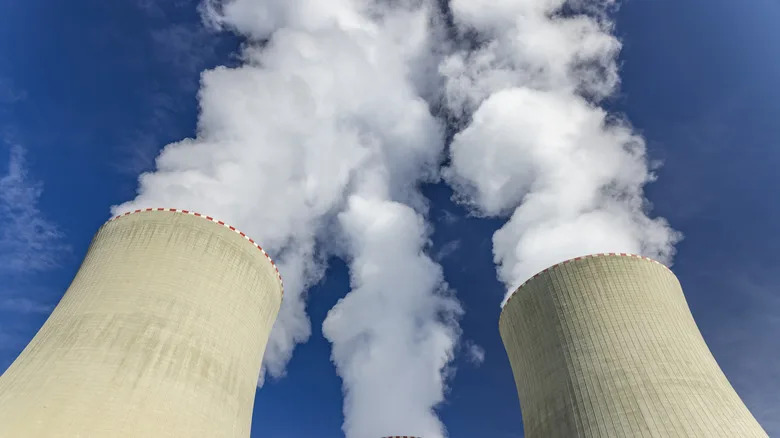
Air-Cooled Condensers: Function like a car radiator—fan-forced air removes heat from finned tubes. These systems can reduce water use to under 10% of conventional plants but impose an efficiency penalty: fan power can lower net electrical output by up to about 1.5%.
Air-Cooled Cooling Towers: Enclose water in finned tubes cooled by airflow; still transfers heat to air but is typically less efficient than direct-air condensers.
Advanced Reactor Coolants: Emerging designs—such as lead-cooled reactors—use molten lead to passively carry heat away by convection and can offer different safety and water-independence trade-offs.
Broader Implications
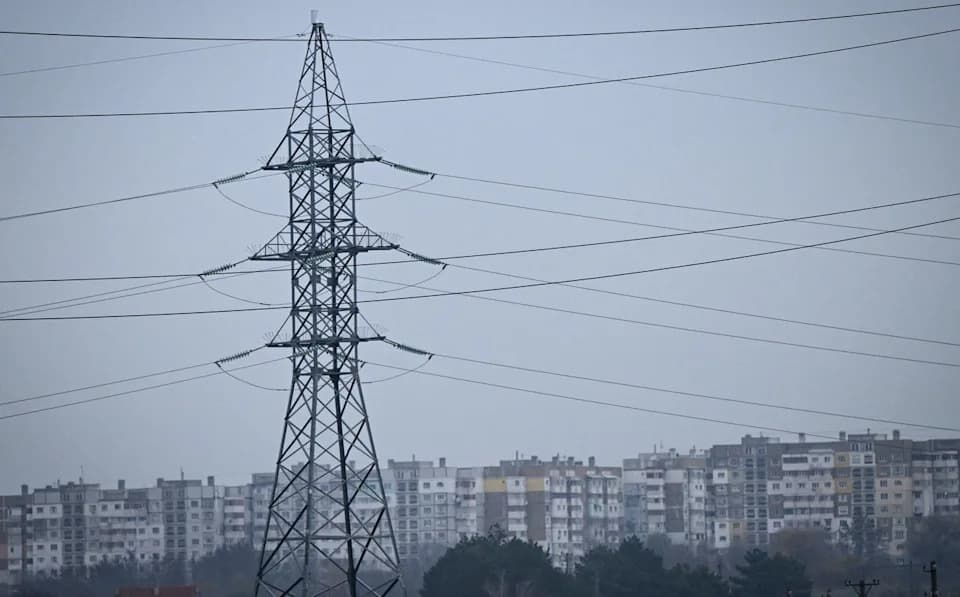
The Cernavoda shutdown illustrates how climate-driven water stress can threaten energy infrastructure that relies on abundant freshwater. The episode has renewed discussion about investing in less water-dependent cooling technologies, integrating desalination with nuclear plants where appropriate, and improving drought resilience for critical power assets.
Bottom line: Sinking barges was an unprecedented emergency improvisation that temporarily redirected local flow but could not overcome the scale of drought-driven water shortages affecting plant safety and operation.
Help us improve.