Bottom Line: Keisha Lance Bottoms (Georgia) and David Crowley (Wisconsin) are competitive 2026 Democratic gubernatorial nominees whose victories would mark historic milestones for Black political leadership. Their nominations reflect intensified partisan voting and ideological shifts within the Democratic Party, while Donald Trump’s unpopularity since 2025 has improved Democratic prospects. Major risks include anti-urban and racial resentment, local controversies (such as data centers), and an anti-establishment mood among some voters. Narrow poll leads make both contests highly competitive.
How Keisha Lance Bottoms and David Crowley Could Make Political History in 2026
How Keisha Lance Bottoms and David Crowley Can Make Political History
Many Americans who live in suburbs and rural areas harbor strong resentments toward nearby large, left-leaning metropolitan centers. While it is difficult to precisely measure how much of that anti-urban sentiment is driven by race, big cities often have large populations of people of color—particularly African Americans. Historically, in several red and purple states, Democratic operatives have been reluctant to nominate Black candidates for statewide offices, especially those who are closely identified with urban areas.
Why These Nominations Matter
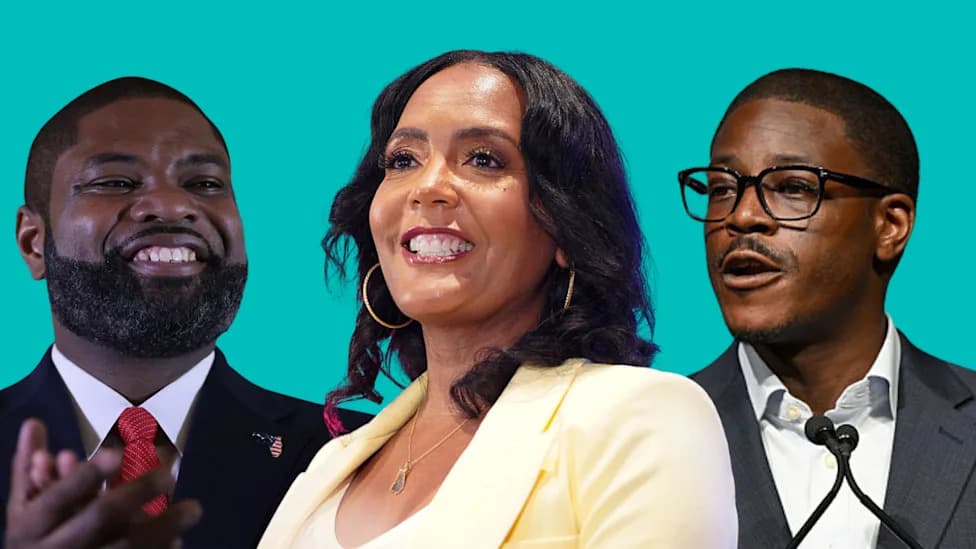
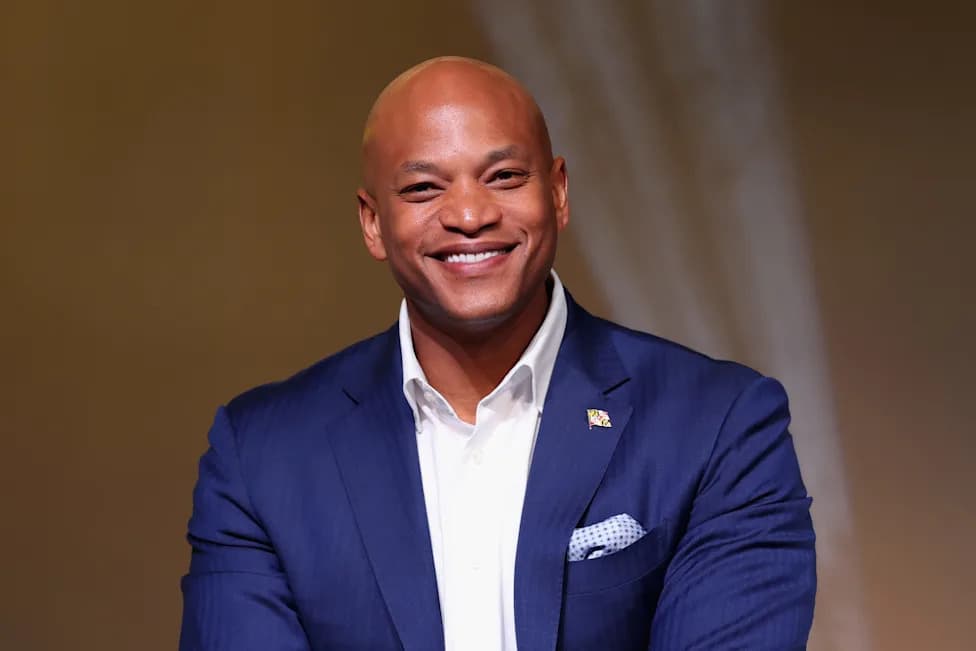
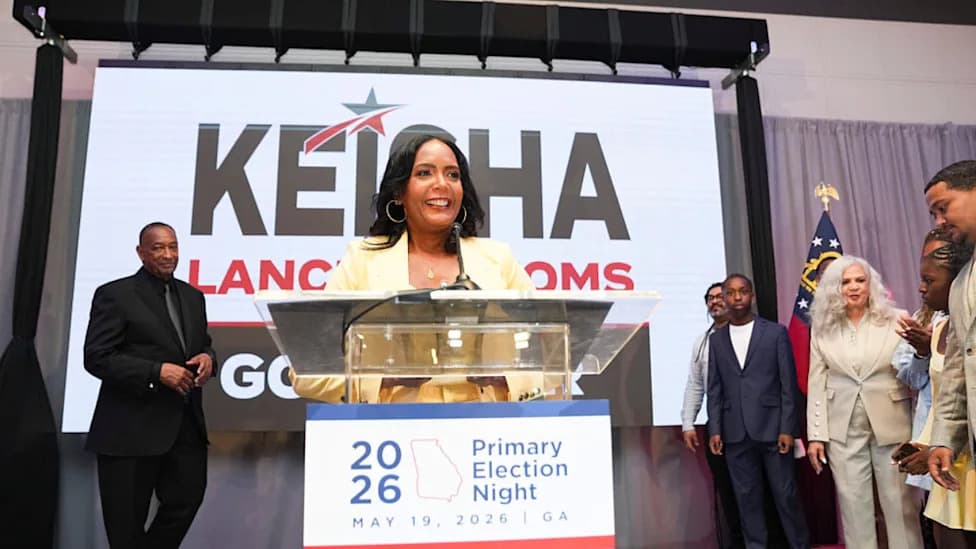
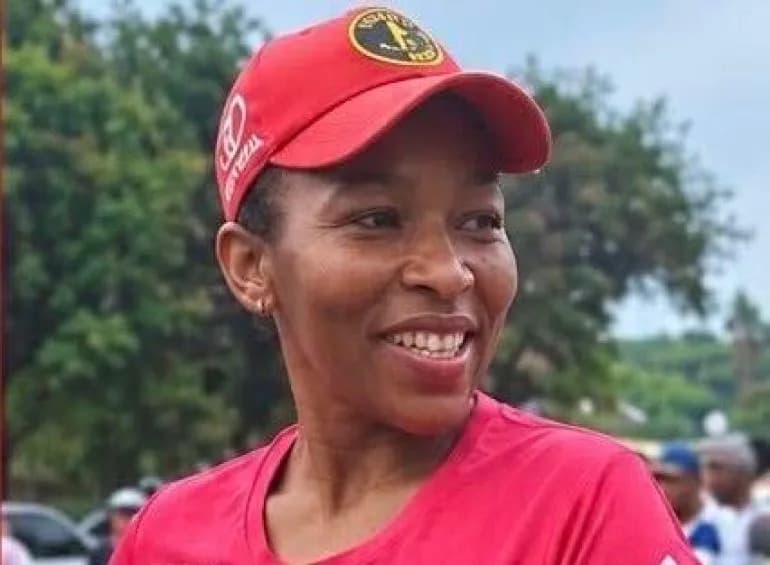
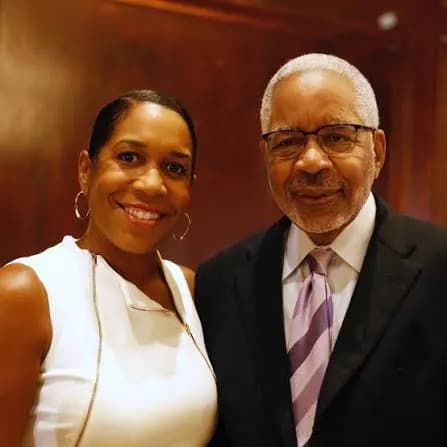
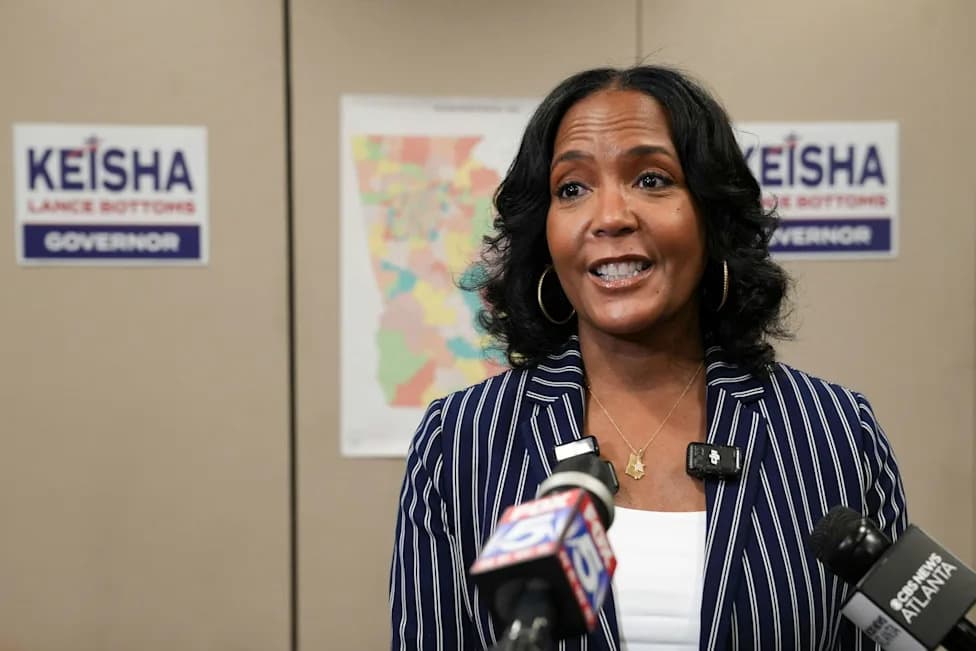
Former Atlanta Mayor Keisha Lance Bottoms and Milwaukee County Executive David Crowley are competitive Democratic nominees for governor in 2026. If either wins in November, they would become among the very few Black Americans elected governor in U.S. history: Bottoms and Crowley would be the fourth and fifth, respectively. Their campaigns illustrate how American politics has shifted in recent decades—creating both new barriers to racial progress and new electoral openings.
Paths to Nomination
Two big changes help explain how Bottoms and Crowley became their parties' standard-bearers. First, partisan voting has intensified: many voters now support a party across races of candidates, weakening the old argument that only a white, moderate, non-urban nominee can win statewide in swing states. Georgia’s 2020 results—where many Biden voters also backed Jon Ossoff and Raphael Warnock—underscore that dynamic.
Second, ideological shifts inside the Democratic Party have altered who is considered viable. The rise of a broader left flank (spurred in part by movements and campaigns in recent years) has made the party's center-left label more relative. Bottoms ran in the primary as a center-left moderate, highlighting her mayoral experience and brief service in the Biden administration; President Biden endorsed her. Crowley explicitly campaigned on electability and pragmatism against a primary opponent closely associated with the Democratic left.
“Crowley has made clear that he is not afraid to cut deals with Republicans as needed to get things done for his county,” University of Wisconsin political scientist Barry Burden said.
Key Challenges Ahead
Both nominees face steep general-election tests. Anti-urban and racially tinged resentments remain potent in many parts of the country. Kathy Cramer’s Politics of Resentment documented intense hostility among some rural Wisconsinites toward Madison and Milwaukee; Crowley must persuade some of those voters despite long-standing animosities. Bottoms, who was Atlanta’s mayor during the protests following George Floyd’s killing, is vulnerable to Republican attacks that seek to portray her as emblematic of “big-city” failures.
There is also an anti-establishment current among some voters. Both candidates are experienced, pragmatic officeholders whose moderate platforms may struggle to excite young or nontraditional voters. On local flashpoints such as data-center construction, Crowley has been cautious and opposed a full moratorium in Wisconsin; Bottoms has called for a pause on expansion in Georgia. Those distinctions could matter in tight races.
Outlook
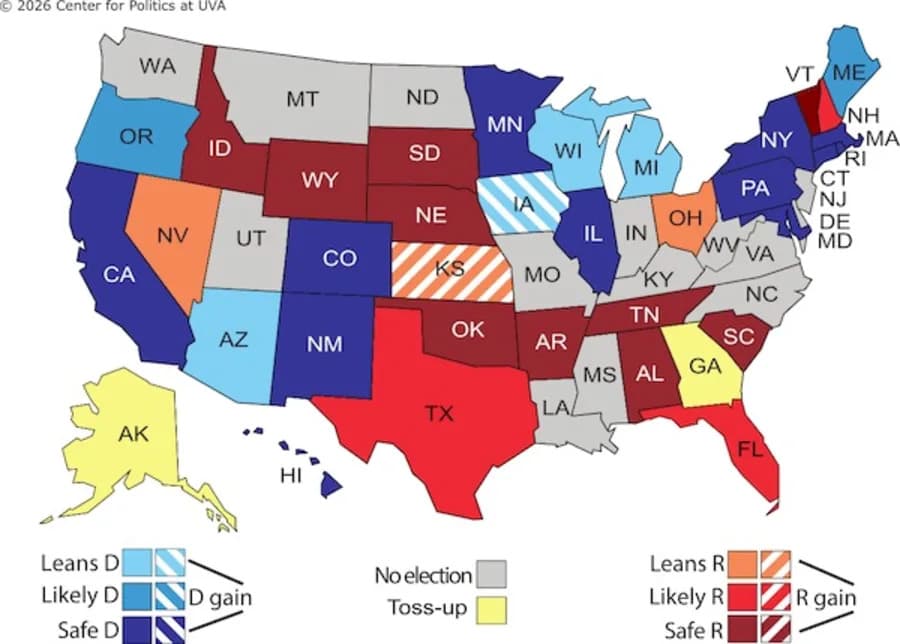
Bottoms and Crowley benefit from a broader environment that has favored Democrats since 2025, driven in part by Donald Trump’s unpopularity and higher Democratic turnout in recent contests. If 2026 continues to be a Democratic-leaning year, voters may treat Bottoms and Crowley as part of a party-wide slate and reward them accordingly. Yet narrow poll leads and the historic barriers facing Black candidates mean neither race is safe.
What’s At Stake
A win for Bottoms or Crowley would be a historic breakthrough for representation in state executive offices and would reshape assumptions about electability in red and purple states. But their campaigns also highlight unresolved tensions within American politics: the power of partisan alignment, the role of racial and geographic resentments, and the limits of moderate, pragmatic appeals in an era of political polarization and anti-establishment sentiment.
Bottom Line: Both candidates are credible statewide contenders whose victories would be historic, but each must navigate potent anti-urban sentiment, localized controversies, and the unpredictability of state-level polling.
Help us improve.