Researchers screened human antibodies and identified candidates that can bind alpha‑gal, the sugar responsible for alpha‑gal syndrome (AGS), a tick‑linked allergy. Of 42 antibodies isolated from malaria‑exposed donors, 13 bound alpha‑gal allergens and two—AG028 and AG050—blocked IgE attachment in lab tests. AG028 reduced basophil activation by up to 86% in one serum sample, but all results are preliminary and were obtained ex vivo; clinical safety and efficacy remain unproven.
Lab-Found Human Antibodies Show Early Promise Against Alpha‑Gal Syndrome
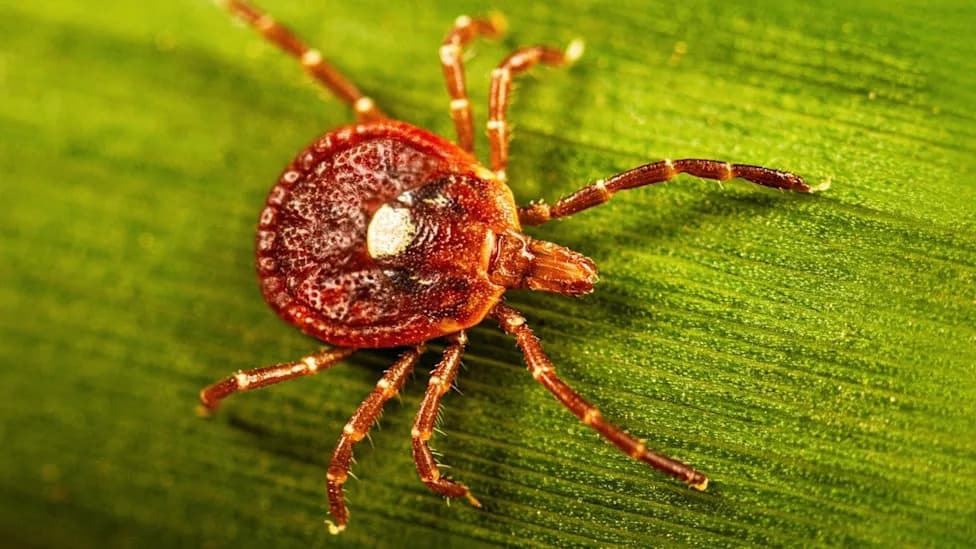
A photo of Amblyomma americanum (Lone star tick).
Scientists report a promising experimental approach that could one day reduce allergic reactions in people with alpha‑gal syndrome (AGS), a potentially serious allergy that can develop after certain tick bites.
What the study did
In a study published in the Journal of Clinical Investigation, researchers screened human antibodies for their ability to recognize and block alpha‑gal—the sugar molecule that triggers AGS. Using malaria parasites as a tool to present alpha‑gal, the team analyzed immune cells from people previously exposed to malaria and isolated 42 human antibodies with potential activity against alpha‑gal.
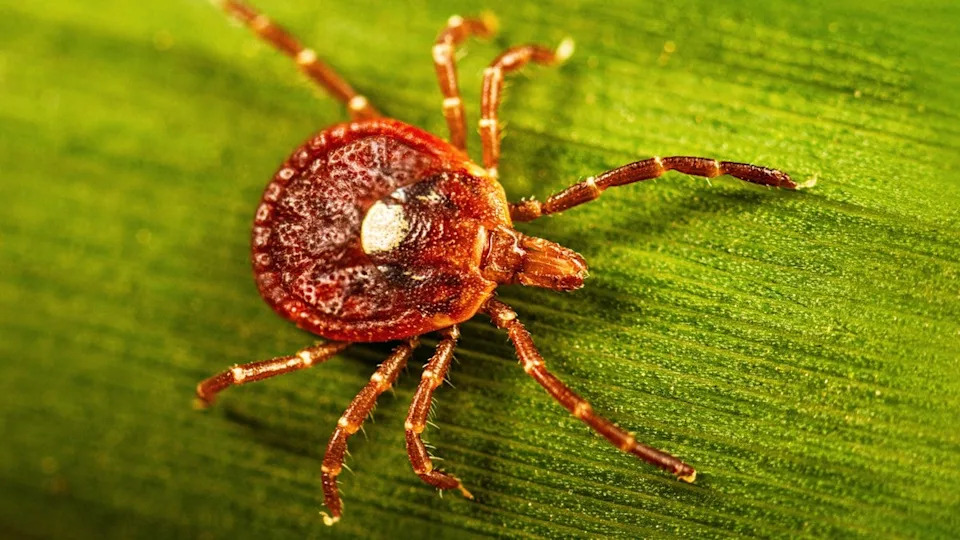
A photo of Amblyomma americanum (Lone star tick).
Key laboratory findings
Most antibodies had limited activity against alpha‑gal allergens, but 13 of the 42 bound tested alpha‑gal allergens. Two antibodies, designated AG028 and AG050, were able to bind Immunoglobulin E (IgE) and block IgE from attaching to alpha‑gal allergens in patient samples. In one serum sample, AG028 reduced basophil activation—a cell-based marker of allergic response—by up to 86%.
Important limitations
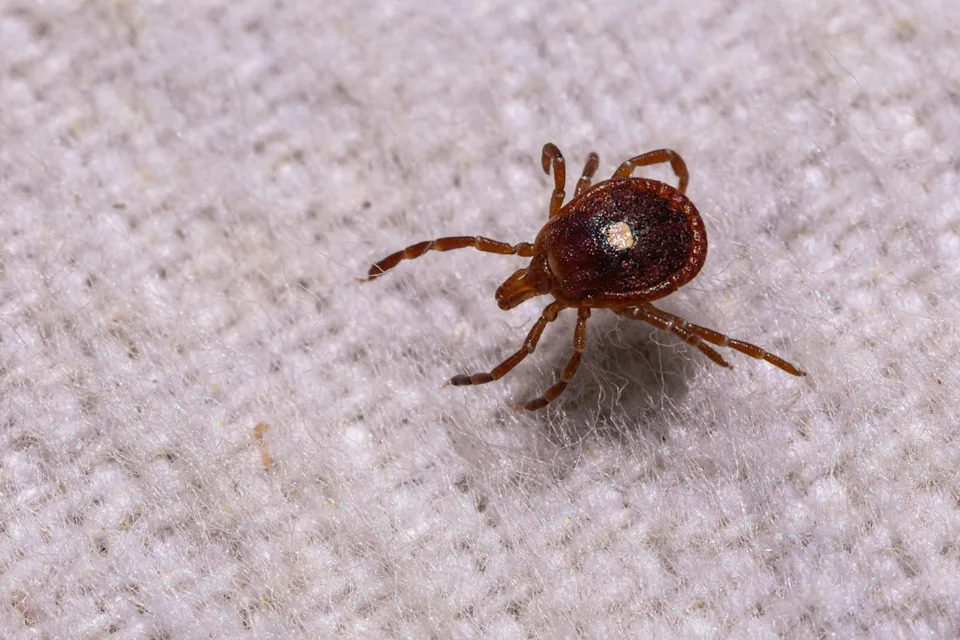
Aquinnah, MA - May 18: A lone star tick crawls across Tick biologist Patrick Roden-Reynolds' tick drag in the backyard of a home during a tick survey on May 18, 2026.
All experiments were performed ex vivo on isolated immune cells and blood samples; the antibodies were not administered to patients. Although AG028 showed the strongest inhibition in lab assays, it did not completely prevent allergic reactions in the tested samples. Safety, dosing, and real-world effectiveness remain unproven and require further preclinical and clinical testing.
Why this matters
If validated in future studies, engineered or naturally derived human antibodies that block IgE binding to alpha‑gal allergens could form the basis of a novel therapy to prevent allergic reactions in people with AGS—potentially protecting them from reactions after eating red meat or encountering alpha‑gal in other products.
Infected ticks warning sign in a forest. Risk of tick-borne and lyme disease.
Public health context
In the United States, AGS is most commonly linked to the lone star tick (Amblyomma americanum). Public health authorities advise prevention strategies such as tick avoidance, prompt tick removal, and awareness of red‑meat–triggered allergic symptoms in areas where the lone star tick is found.
Bottom line
The study identifies promising antibody candidates and a clear experimental path forward, but clinical relevance is not yet established. Additional laboratory work and clinical trials are needed before this approach could become an approved treatment for AGS.
Help us improve.