Scientists at Fred Hutch and the University of Washington isolated 10 human-compatible antibodies that target two EBV surface proteins, gp350 and gp42. In humanized mice, one antibody provided strong protection against infection, addressing a major hurdle in EBV antibody discovery. The antibodies could eventually help prevent EBV-related complications such as post-transplant lymphoproliferative disorders, though human safety trials and further testing are still needed.
New Human-Compatible Antibodies Show Promise Against Epstein-Barr Virus
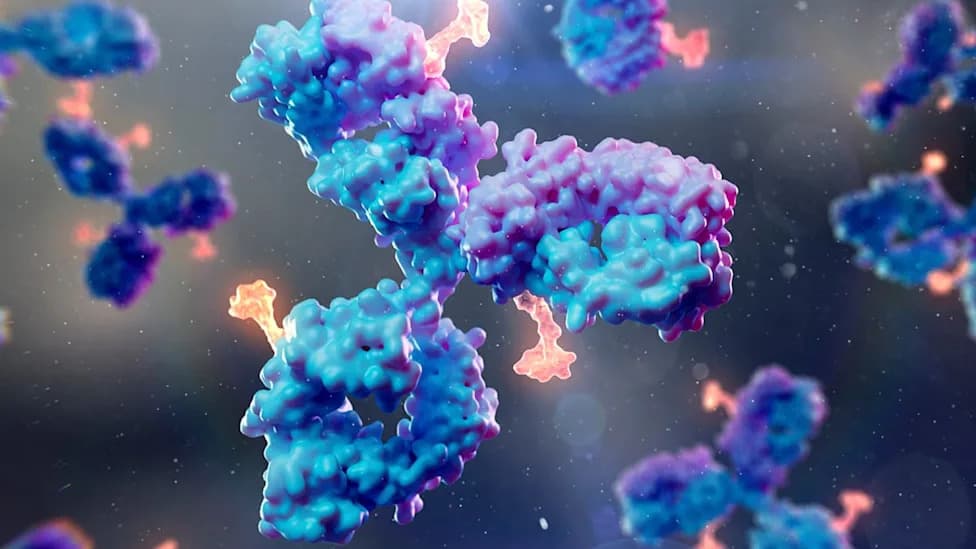
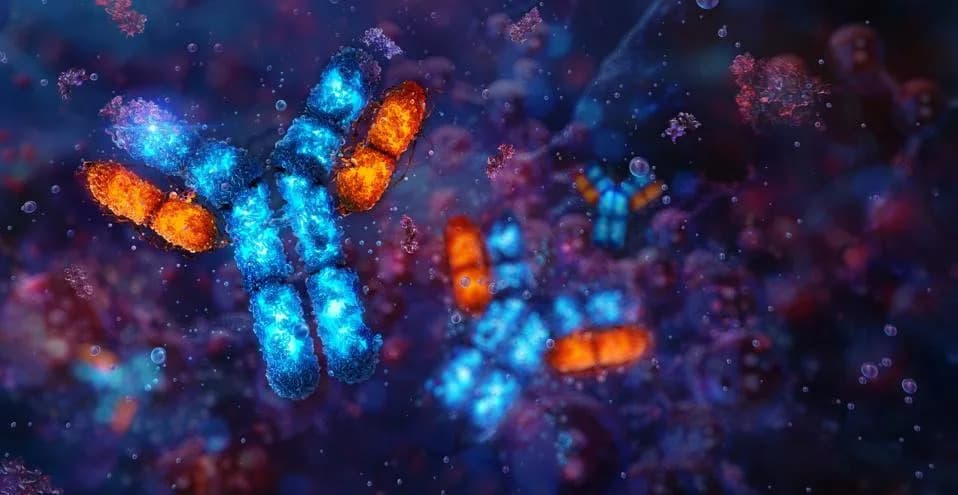
(Thom Leach/Science Photo Library/Getty Images)
Researchers at the Fred Hutchinson Cancer Center and the University of Washington have developed laboratory antibodies that block the Epstein-Barr virus (EBV) from entering B cells, offering a promising step toward preventing infections and related complications.
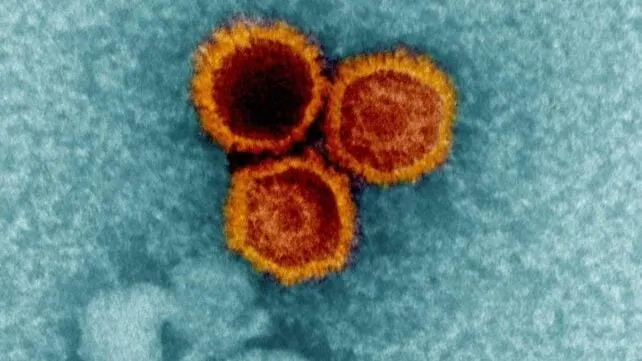
An electron micrograph showing Epstein-Barr virus particles. (NIAID)
What the Study Did
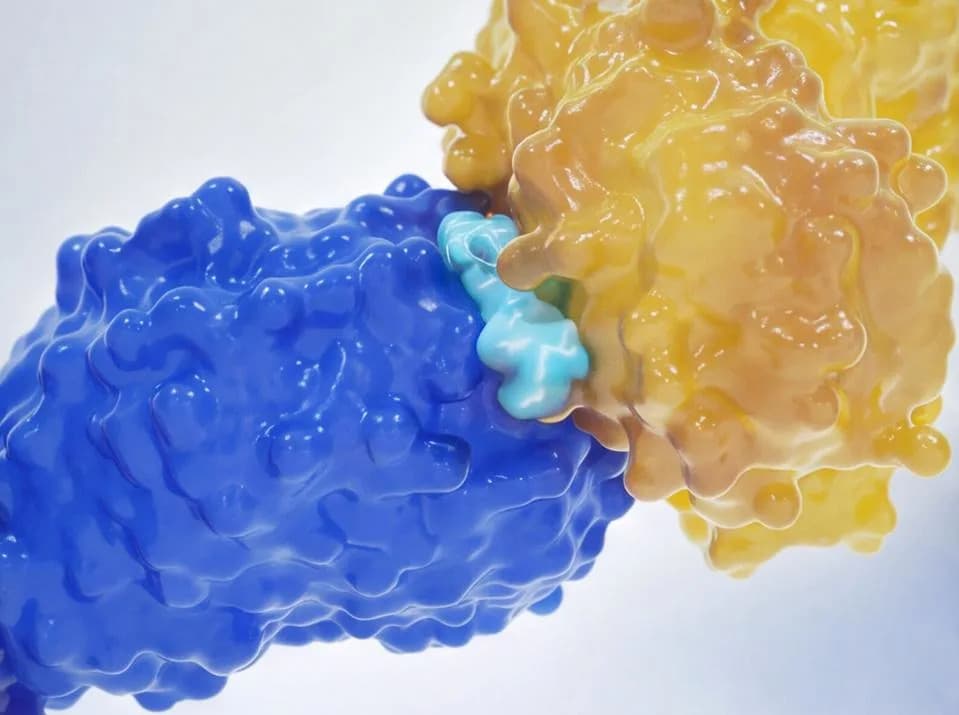
The team used mice engineered to produce genetically human antibodies and exposed them to two key EBV surface proteins, gp350 and gp42. These proteins enable EBV to bind and enter human B cells. By stimulating a focused immune response against gp350 and gp42, the researchers isolated 10 candidate antibodies (two against gp350 and eight against gp42).
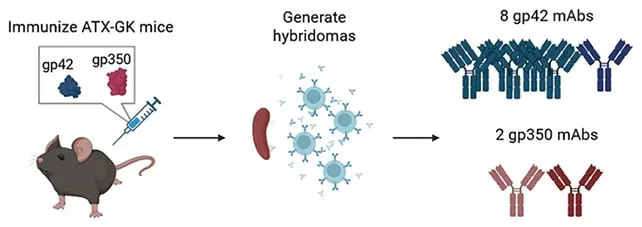
Specially bred mice were used to produce human antibodies. (Chhan et al.,Cell Rep. Med., 2026)
Key Findings
When tested in mice carrying human-like immune systems, one of the isolated antibodies provided strong protection against EBV infection in vivo. This result overcomes a longstanding challenge: EBV’s ability to bind broadly across B cells has made it difficult to find human antibodies that reliably prevent infection.

Subscribe to ScienceAlert's free fact-checked newsletter
“Finding human antibodies that block Epstein-Barr virus from infecting our immune cells has been particularly challenging… We decided to use new technologies to try to fill this knowledge gap,” said biochemist Andrew McGuire.
Potential Applications
One immediate potential use for these antibodies is in transplant medicine. Organ and bone marrow transplant recipients require immunosuppression and are especially vulnerable to EBV-driven post-transplant lymphoproliferative disorders (PTLD), a potentially life-threatening overgrowth of B cells. A prophylactic or early therapeutic antibody dose could reduce EBV viremia, lower PTLD incidence, and limit the need to reduce immunosuppression. Pediatric transplant cases—where recipients may not yet have been exposed to EBV—could particularly benefit.
Limitations And Next Steps
Although the results in humanized mice are encouraging, further work is required before clinical use. The next stages include safety testing in humans and clinical trials to confirm efficacy and tolerability. Other groups are also pursuing EBV vaccines; the antibody-discovery approach used here may inform broader prevention strategies against similar pathogens.
The study was published in Cell Reports Medicine.
Help us improve.