The discovery of unusually high radioactive cesium in a Utah woman's bone fragment after cremation has prompted a University of Utah study into whether signatures of 1950s–60s atmospheric nuclear testing persist in people today and whether such exposures are linked to long-term illnesses beyond cancer. Researchers, motivated by lab results from a Purdue investigator, are collecting fingernail samples from residents who lived in parts of the Southwest between 1951 and 1962. The team hopes to gather about 300 samples to produce preliminary findings while potential participants remain available.
Utah Bone Fragment Shows Extremely High Cesium, Spurring New Study Into Long-Term Nuclear Test Effects
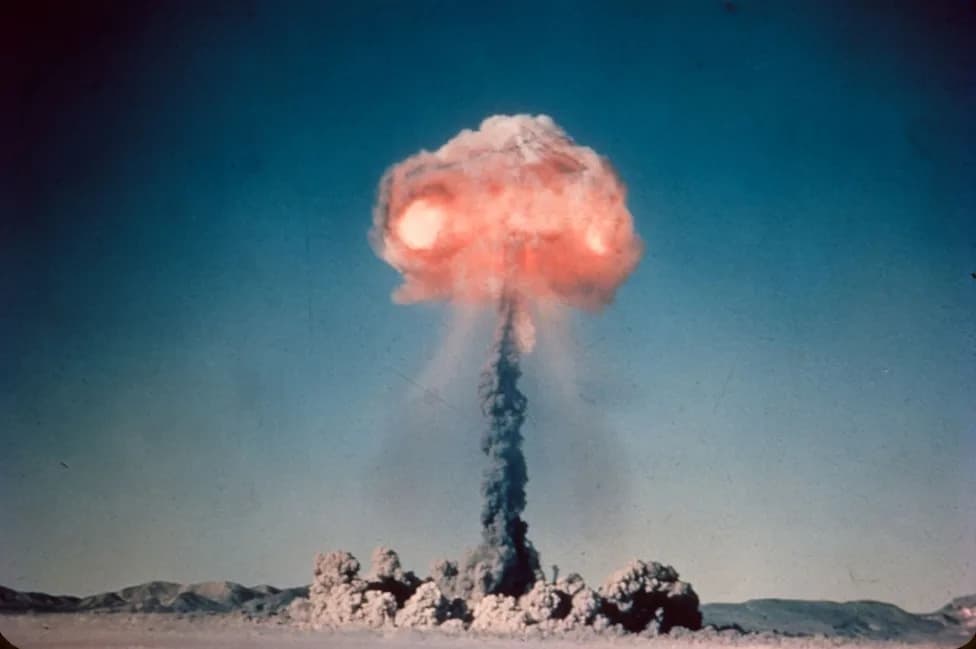
Photo Credit: iStock
A Salt Lake City family's search for answers after a mother's death produced a startling lab result that has helped trigger new research into the long-term health effects of mid-20th-century atmospheric nuclear testing.
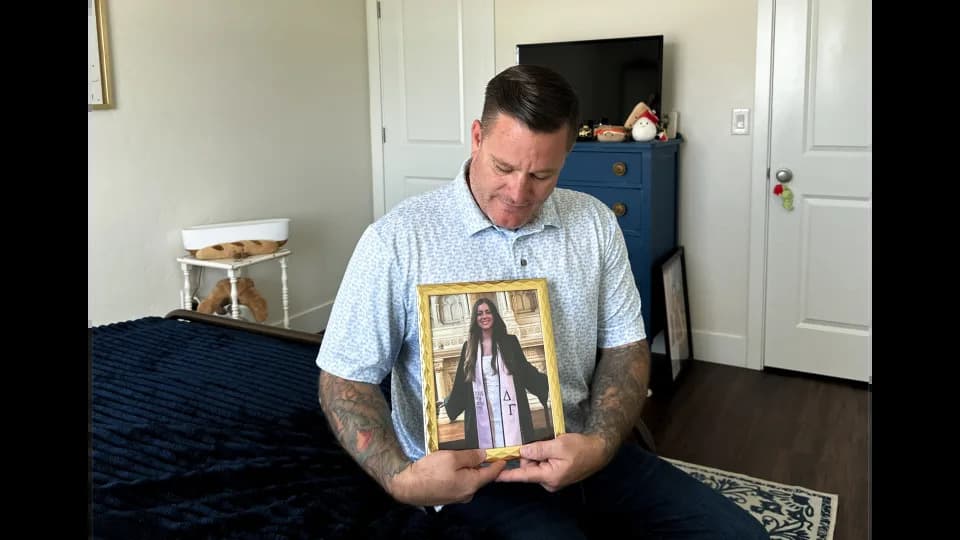
After Bonnie Despain — who spent her childhood in Newcastle, Utah, about 130 miles from the Nevada Test Site — was cremated, her daughter, artist Cara Despain, provided a small bone fragment to Purdue University researcher Aaron Specht, who studies radiation safety and environmental health. Laboratory analysis detected an unusually high concentration of radioactive cesium in the sample, a byproduct of nuclear fission that can pose health risks when internalized.
Despain quoted Specht as saying he was "shocked to find the highest levels of cesium he's ever seen or been aware of measured in a human sample." That finding helped catalyze a University of Utah research effort to determine whether radioactive signatures from atmospheric testing decades ago can still be detected in people today and whether such exposures might be linked to illnesses beyond the cancers most commonly associated with radiation.
Why researchers are pursuing this now
Atmospheric nuclear testing in the United States largely ended with the 1963 test ban, and many people who were exposed as children — often called "downwinders" — are now elderly or have already died. Investigators say the window to collect biological samples that could yield meaningful data is closing, so they moved quickly to secure approvals and begin recruiting participants.
What the study will do
To recruit living participants, the University of Utah team is asking for fingernail samples from people who lived in Utah, New Mexico, Nevada, or Arizona between 1951 and 1962. Fingernails can be collected noninvasively and may retain chemical signatures of past exposures. The researchers hope to collect roughly 300 samples to produce preliminary findings; they have already identified more than a dozen respondents.
Questions under investigation
Scientists involved want to know two primary things: whether measurable radioactive markers from 1950s–60s atmospheric testing persist in human tissue decades later, and whether those markers correlate with long-term health outcomes beyond well-studied radiation-linked cancers. Naomi Riches, a University of Utah obstetrics and gynecology professor, highlighted reproductive health as an important and underexplored area, citing anecdotal reports of fertility and pregnancy difficulties among some exposed families.
"What's interesting is that this whole phenomenon has really been understudied," said Daniel Mendoza, an atmospheric science professor at the University of Utah. "I think that this is really important for many reasons, particularly to understand the public health implications."
Personal and broader significance
Bonnie Despain died at 81 from amyotrophic lateral sclerosis (ALS). Cara Despain said contributing tissue for ALS research and sharing her mother's bone fragment could open new scientific lines of inquiry and possibly help link environmental exposures to health conditions people have long suspected may be related to fallout.
This case raises broader questions about how long environmental contaminants can remain detectable in the human body and what delayed or generational health effects might surface decades after exposure. Related coverage has explored other environmental health links, from factory pollution in urban neighborhoods to unexpected contaminants in remote soils.
What to watch for
The University of Utah team aims to publish preliminary results after collecting sufficient fingernail samples and analyzing whether historic exposure markers remain detectable and whether they associate with specific health outcomes. The study may provide a foundation for further research into noncancer impacts of historic radiation exposure.
Help us improve.