NBC's Richard Engel pressed Jared Kushner at a Ukraine press conference, questioning whether Kushner's previous diplomatic efforts in Gaza and Iran justify public confidence now. Kushner defended the mission, citing past administration achievements like the Abraham Accords and USMCA, while acknowledging there are no guarantees. After meeting with Presidents Zelensky and Putin, Kushner pledged to keep working on behalf of President Trump to seek progress in these complex conflicts.
Engel Confronts Jared Kushner in Ukraine: "Why Should Anyone Trust Your Track Record?"
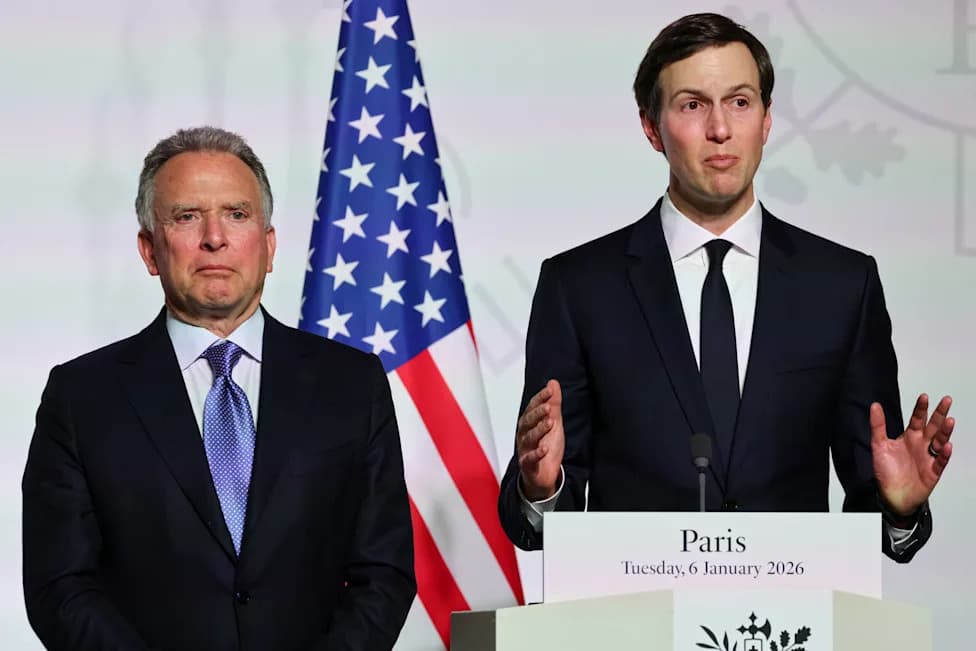
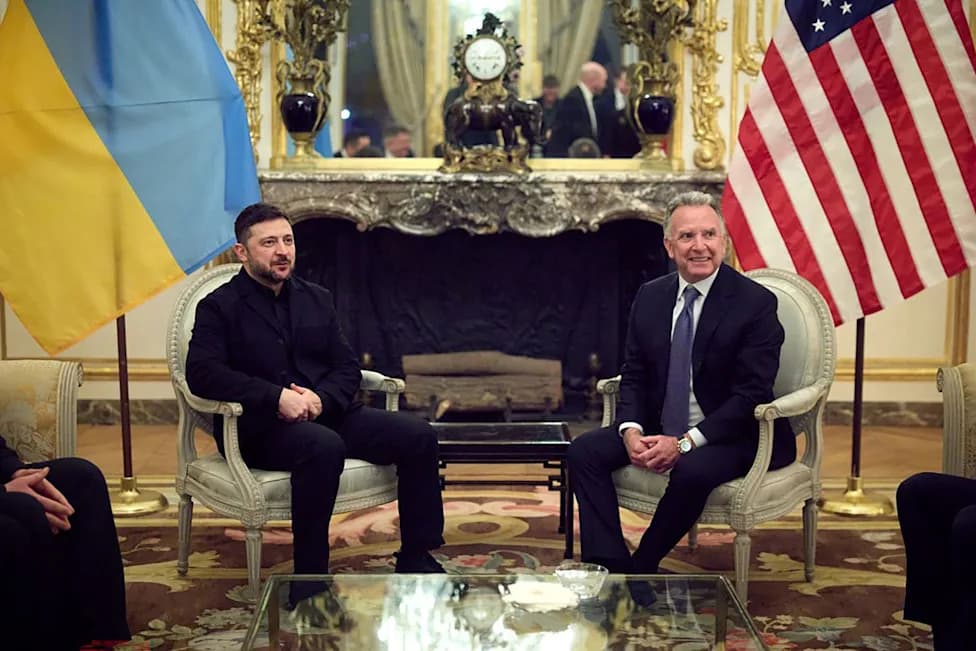
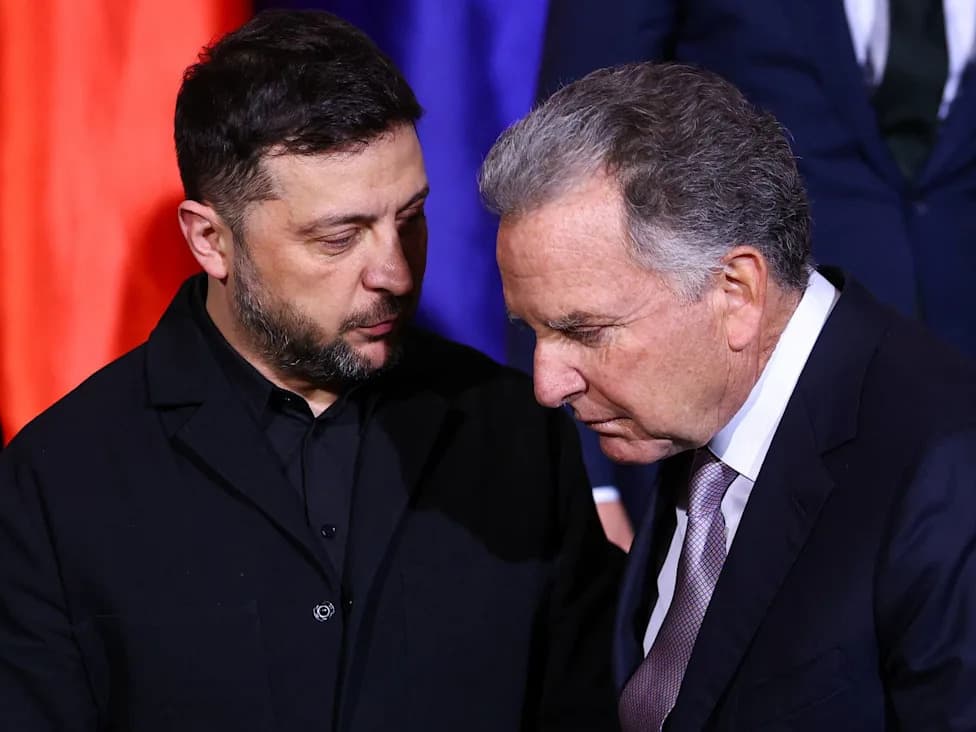
(Ludovic Marin, Pool photo via AP, File)
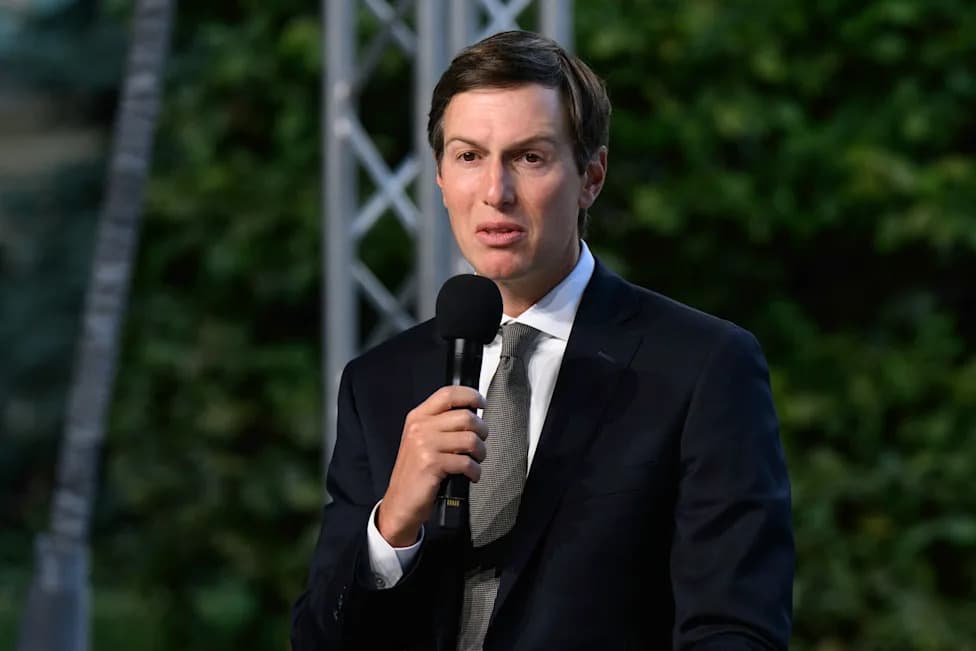
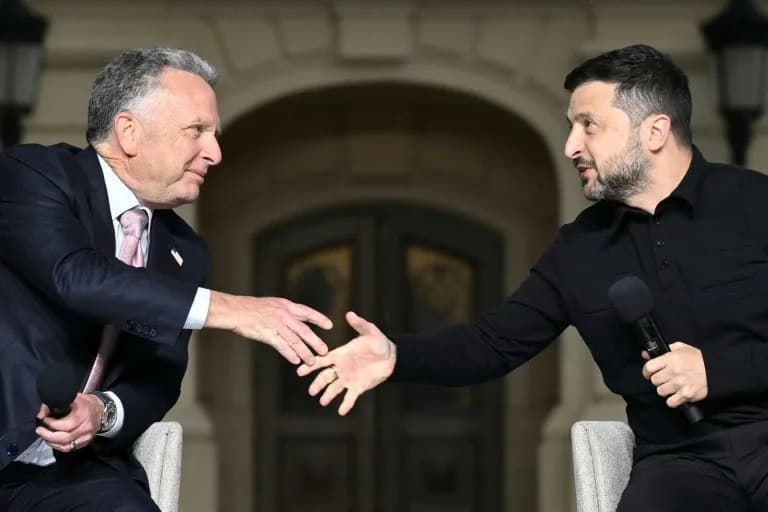
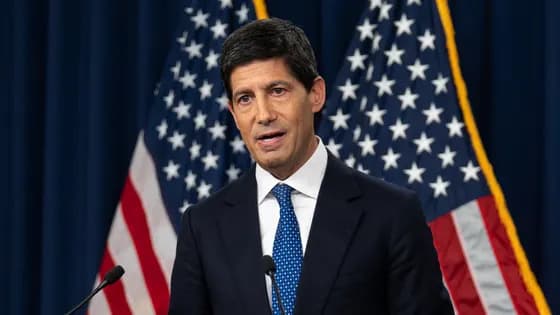
NBC News chief foreign correspondent Richard Engel publicly challenged Jared Kushner — President Donald Trump's son-in-law and foreign policy envoy — at a weekend press conference in Ukraine, questioning whether Kushner's past negotiating record inspires confidence.
Engel directed his question to Kushner and his partner, referencing their involvement in high-profile diplomatic efforts and asking why the public should expect success now after outcomes in places like Gaza and Iran.
Richard Engel: "You have been involved in numerous negotiations around the world. Why should people have any confidence in your capacity to succeed here? You were involved in the Gaza negotiations, but Gaza remains a wasteland. Iran, you were involved in those negotiations. The war is still going on... What's the likelihood these talks will succeed when other negotiations you've been involved in have not?"
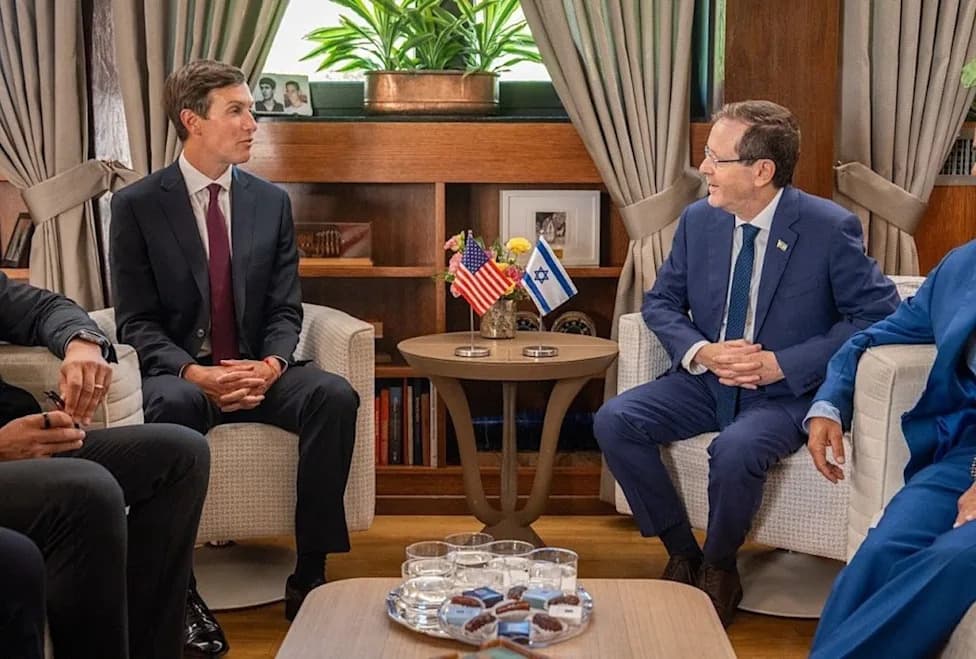
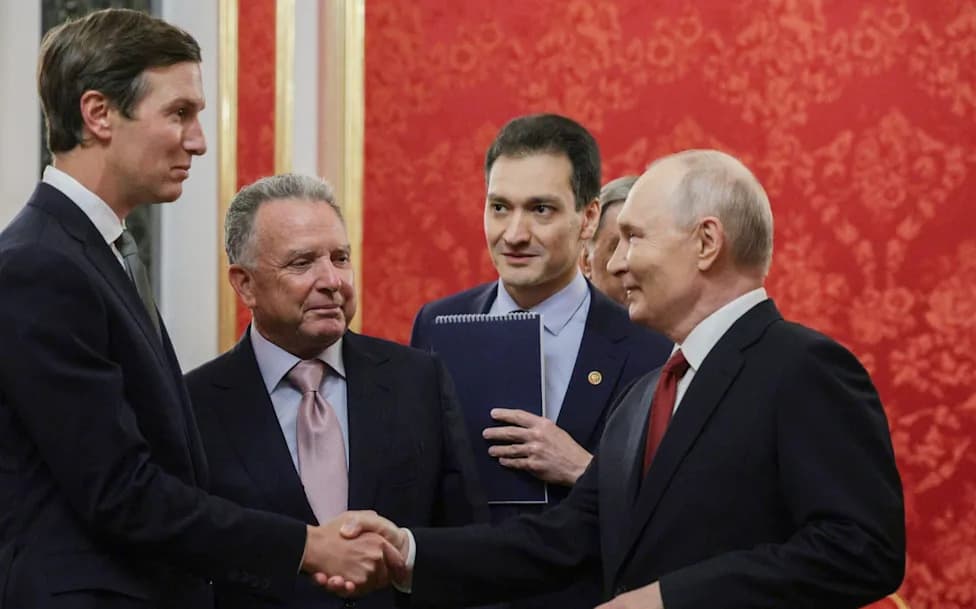
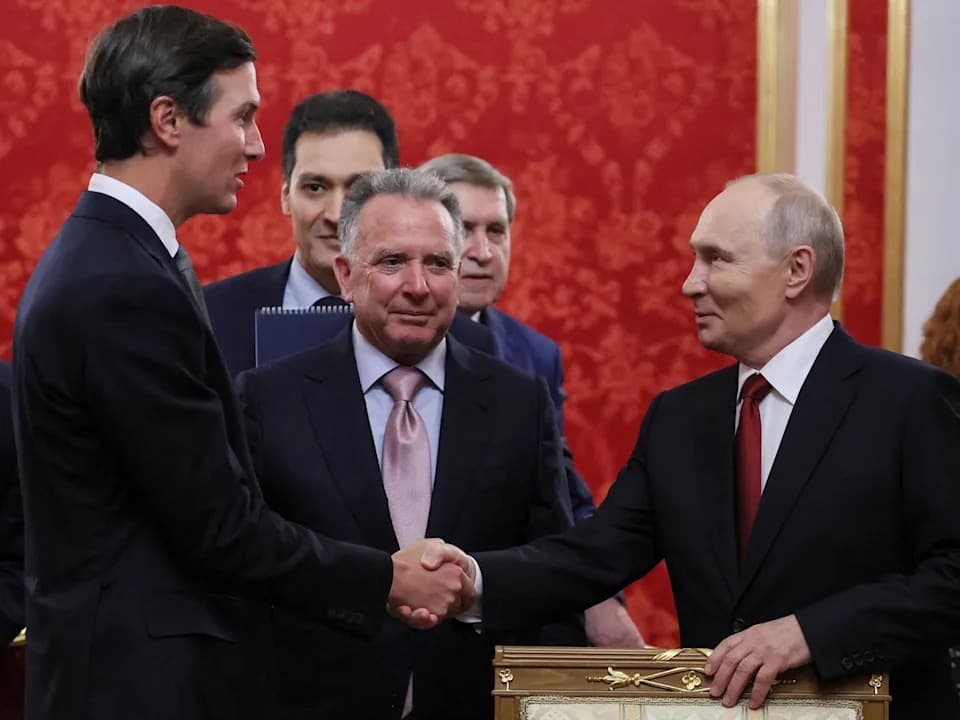
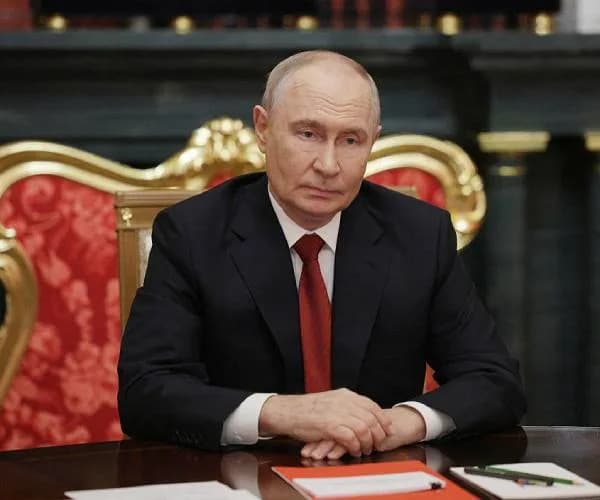
Kushner responded after meetings in the region — he met with Ukrainian President Volodymyr Zelensky on Sunday and with Russian President Vladimir Putin on Saturday — defending the effort as part of a larger, difficult diplomatic push.
Jared Kushner: "These are some of the hardest problem sets in the world, and I think that you have to try. Steve and I bring different approaches, but we work very well together as partners. We're representing President Trump, and we're doing it the way he wants these things done."
Kushner cited what he described as administration accomplishments — including the Abraham Accords, the USMCA trade agreement, a significant deal with China, and negotiations to host major sporting events — as evidence of his team's ability to pursue big, unconventional goals. He acknowledged the limits of diplomacy, saying there are no guarantees: "If the answer was simple, then somebody would have solved it."
He framed the current conflicts as complex humanitarian crises with soldiers and civilians suffering on both sides and argued that the Trump administration's willingness to take on politically risky, high-impact initiatives motivates their engagement. Kushner pledged to continue trying to find a resolution, saying he and his partner would "do everything we can" on behalf of President Trump while acknowledging success was not certain.
The exchange highlights growing scrutiny of private-sector figures who have taken public diplomatic roles and raises questions about experience, accountability and what concrete measures might follow from the latest talks in Kyiv and Moscow.
Help us improve.