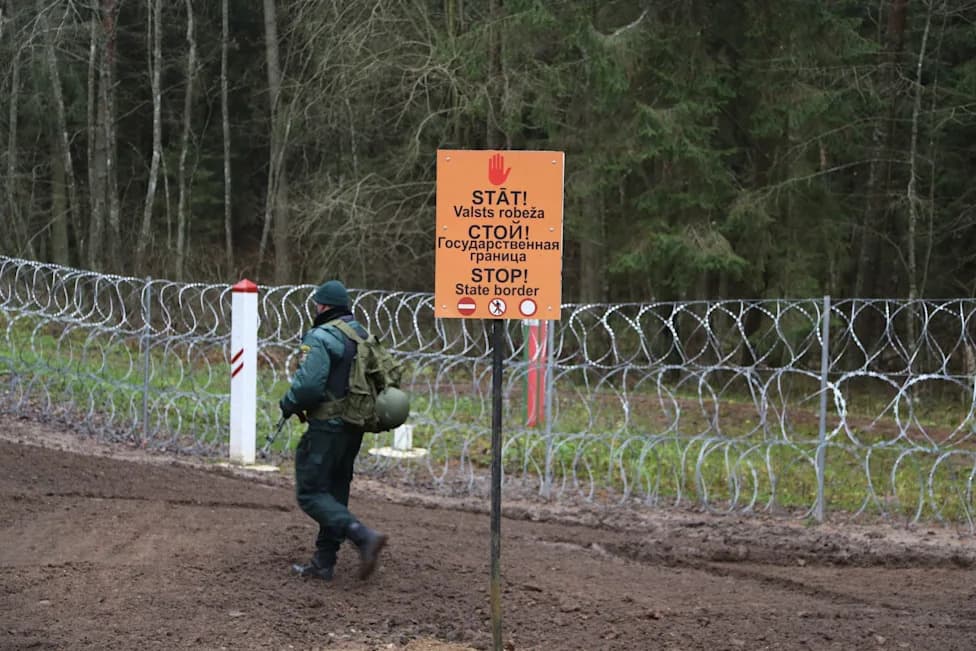
Finland has finished a 200-kilometre fence along parts of its 1,300-kilometre border with Russia after two years of construction that began in August 2024. Officials say the roughly 4.5-metre-high barrier, paired with a technical surveillance system, strengthens border control amid heightened tensions since Russia's 2022 invasion of Ukraine. The government closed land crossings in December 2023 after accusing Russia of directing migrants to the border—a claim Moscow denies. Authorities describe the fence as an essential, targeted measure to protect citizens and improve operational security.
Finland Completes 200-Kilometre Eastern Border Fence After Two Years, Citing Security Concerns
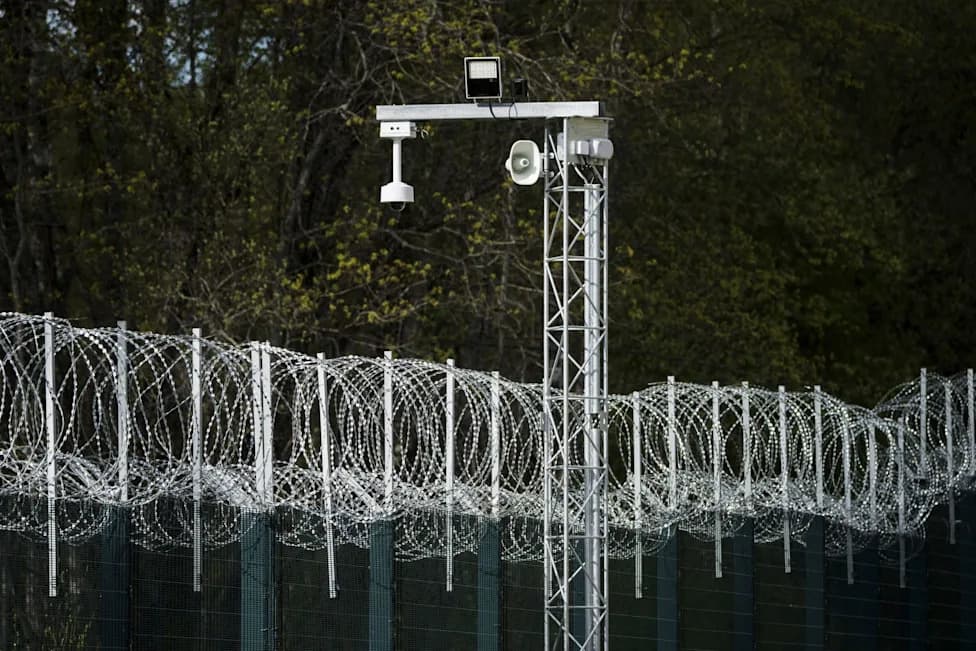
FILE PHOTO - Surveillance equipment at the newly constructed border fence along the Finland-Russia border near the Nuijamaa border crossing in Lappeenranta. (is associated with: «Finland completes border fence with Russia») Roni Rekomaa/Lehtikuva/dpa
Finland has completed a 200-kilometre fence along parts of its eastern border with Russia after two years of construction, authorities announced on Monday. Work began in August 2024 on stretches of the more than 1,300-kilometre border where officials said the operational need and cost-effectiveness were greatest.
Why the Fence Was Built
Finnish Interior Minister Mari Rantanen said the measure is aimed at protecting citizens amid an uncertain security environment. She described the barrier as "an essential component of an effective border security system" that bolsters Finland's ability to monitor and control irregular crossings.
Design and Capabilities
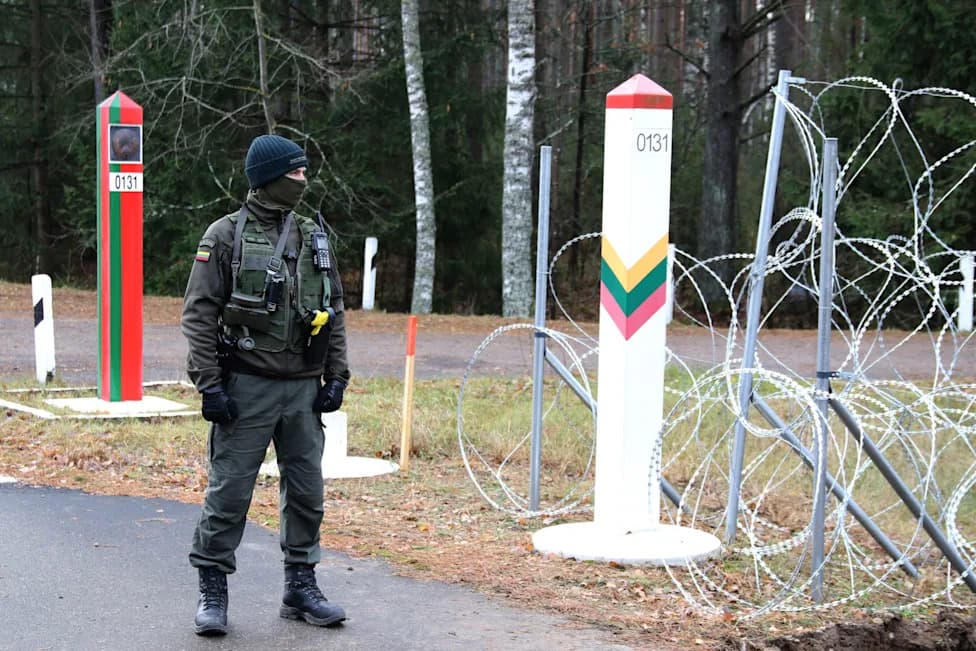
The barrier comprises a fence roughly 4.5 metres high combined with a technical surveillance system designed to detect and deter unauthorized crossings. Officials say the combination of physical and electronic measures improves situational awareness and response times for the Finnish Border Guard.
Context and Reactions
Tensions along the Finnish-Russian border have risen sharply since Russia launched its full-scale invasion of Ukraine in 2022. Finland, which joined NATO in 2023, closed its land border crossings with Russia in December 2023 after accusing Moscow of deliberately directing migrants toward the frontier in an effort to destabilize the country; Russia has denied those allegations.
Markku Hassinen of the Finnish Border Guard said the fence was necessary: "Without a border fence, it is not possible to combat this exploitative migration effectively, credibly and safely."
The Finnish government framed the project as a practical security upgrade rather than an escalation: officials emphasize that the new barrier is focused on selected sections and is intended to increase border control effectiveness while preserving lawful cross-border traffic where appropriate.
Implications: The fence underscores how Finland is adapting its border posture to new regional realities and highlights broader European concerns about hybrid tactics and migration being used as security pressure points.
Help us improve.