Ilya Espino de Marotta, a naval engineer who led the canal’s 2016 expansion, became the first woman to head the Panama Canal Authority. Her top priority is a $1.5 billion reservoir on the Indio River to secure drinking water for roughly half of Panama’s population and to protect canal operations. The project includes resettlement and environmental measures and is expected to finish by 2031–2032. Espino pledged to run the canal in an "efficient, neutral and transparent" manner amid drought-driven transit restrictions and political scrutiny.
Ilya Espino de Marotta Becomes First Woman to Lead Panama Canal; Prioritizes $1.5B Reservoir Amid Drought
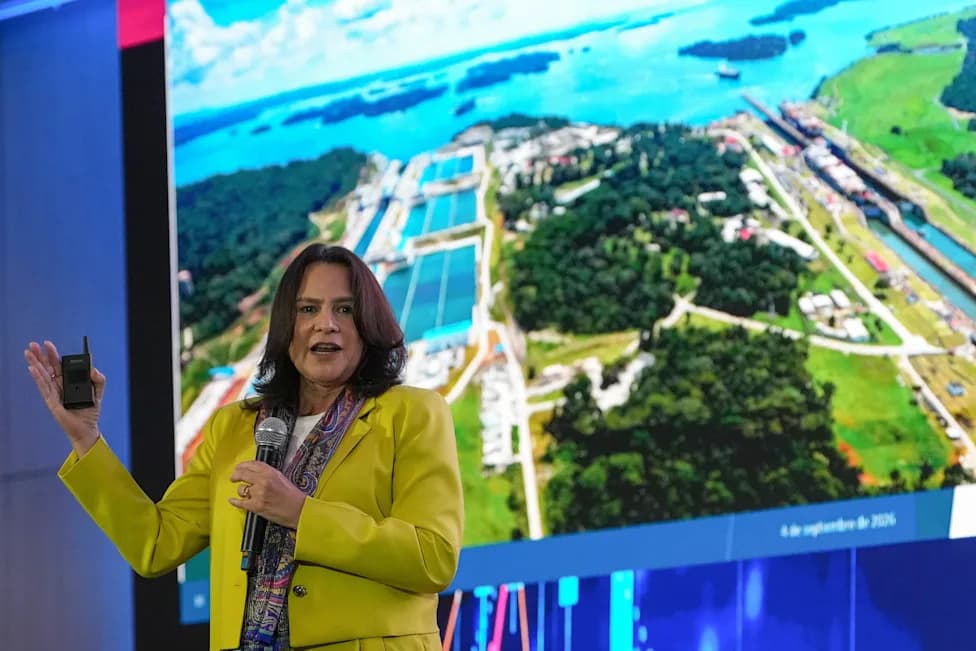
Incoming Panama Canal Administrator Ilya Espino de Marotta speaks during an international financial summit in Panama City, Friday, Sept. 4, 2026. (AP Photo/Matias Delacroix)(AP Photo/Matias Delacroix)
Ilya Espino de Marotta, a naval engineer who led the Panama Canal's recent expansion, officially took office as the first woman to head the Panama Canal Authority. Her appointment comes at a critical moment for the interoceanic waterway, which links the Atlantic and Pacific oceans and remains central to Panama’s economy.
Background and experience: Espino, promoted from deputy administrator after directing the multi-billion-dollar expansion that opened in June 2016, succeeds Ricaurte Vásquez and begins a seven-year term overseeing operations, planning and infrastructure projects. Since the United States transferred control of the canal to Panama in 1999, only three Panamanians have previously served as administrator.
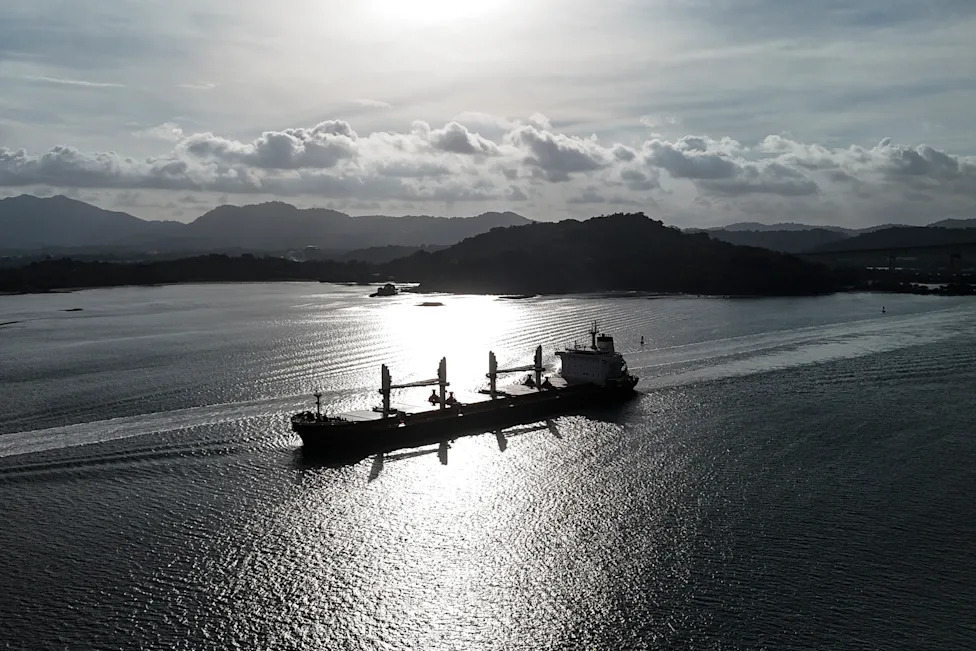
A cargo ship transits the Panama Canal after authorities announced a reduction to daily transits due to forecasts of El Niño conditions in Panama City, Friday, July 24, 2026. (AP Photo/Matias Delacroix)(AP Photo/Matias Delacroix)
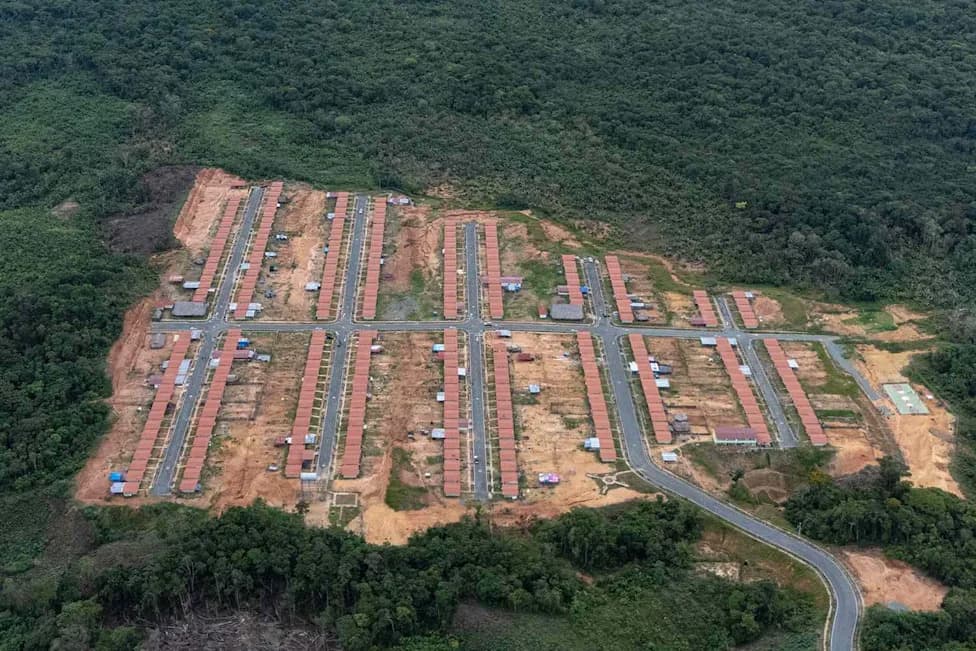
Top priority: a $1.5 billion reservoir — Shortly before taking command, Espino said her immediate focus will be advancing plans to build a reservoir on the Indio River within the canal watershed. The $1.5 billion project is designed to secure drinking water for roughly half of Panama’s 4 million residents and to safeguard the canal’s long-term operations. The initiative includes community resettlement, environmental mitigation measures and other social safeguards, and officials estimate completion by late 2031 or 2032.
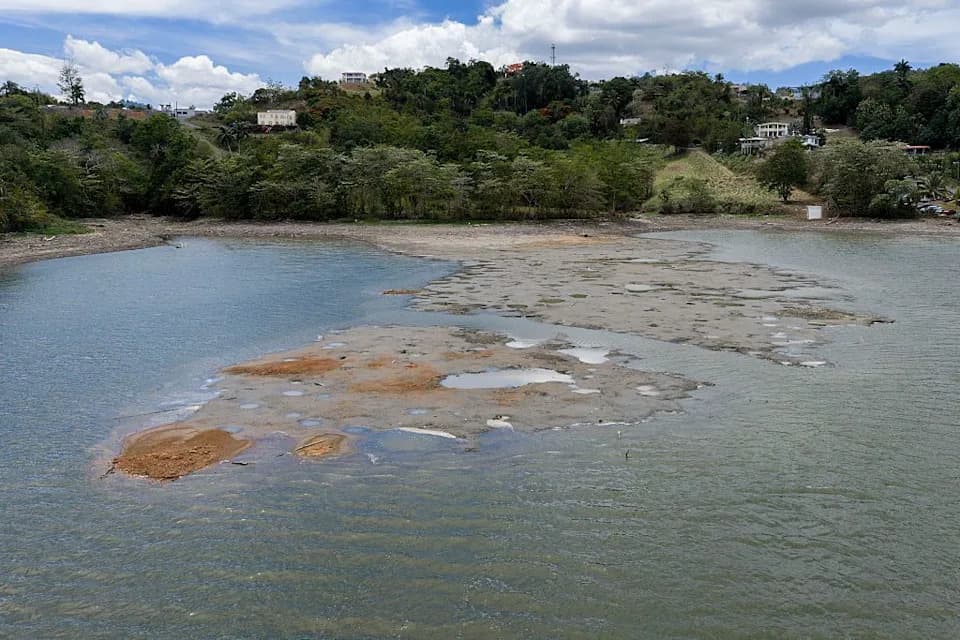
Espino emphasized the need to assure shippers that the canal will remain reliable: if customers perceive a failure to address long-term water supply, some cargo owners could reroute through alternative passages. Recent restrictions on daily transits — imposed as the waterway contends with low rainfall linked to the El Niño phenomenon — have heightened the urgency of finding a sustainable water solution.
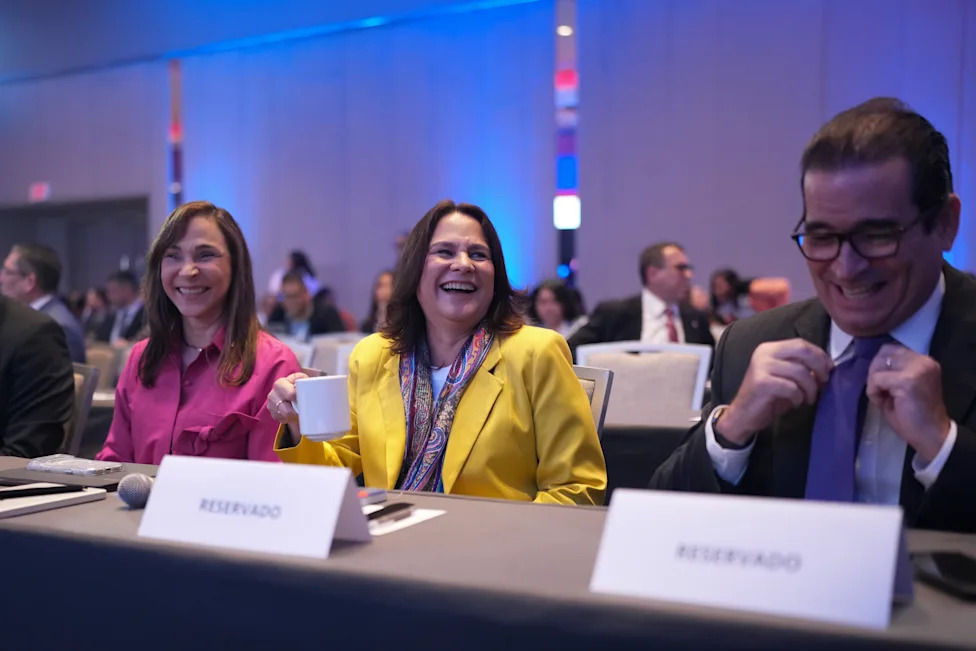
Incoming Panama Canal Administrator Ilya Espino de Marotta, center, attends an international financial summit in Panama City, Friday, Sept. 4, 2026. (AP Photo/Matias Delacroix)(AP Photo/Matias Delacroix)
Political and commercial pressures: As deputy administrator, Espino navigated tensions arising from international criticism and commercial concerns. Public statements by U.S. political figures about foreign influence in canal operations and questions about treatment of U.S. shippers drew attention to the waterway’s geopolitical importance. Separately, Panama’s judiciary ruled port concession contracts held by a Hong Kong consortium to be unconstitutional; a planned sale of those ports to a U.S. investment fund has since stalled.
"My responsibility over the next seven years is to keep the canal efficient, neutral and transparent," Espino told The Associated Press, adding that formal diplomatic matters are the remit of the Panamanian government.
Why it matters: The Panama Canal handles nearly 3% of global maritime trade, and its reliability affects global supply chains and shipping costs. The reservoir project is the largest infrastructure undertaking for the canal since the 2016 expansion and will be closely watched by local communities, environmental groups and international shippers.
Espino’s appointment is also widely viewed as a milestone for women in leadership across maritime and infrastructure sectors — a high-profile example of a female executive taking charge of a major global trade artery.
Help us improve.