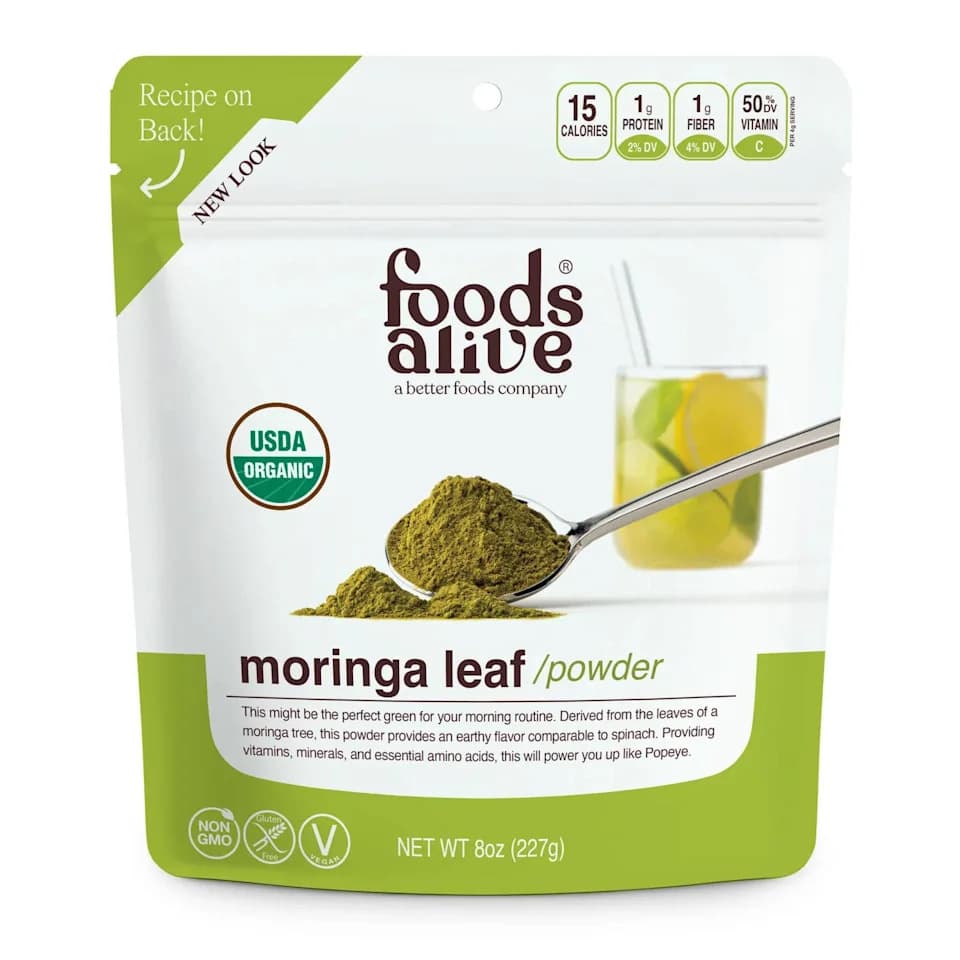
Check Your Moringa Supplements: Three Salmonella outbreaks tied to moringa powders and capsules sickened 175 people and caused 50 hospitalizations in 2026. Laboratory testing linked contaminated products to outbreak strains, and one cluster involved extensively drug-resistant Salmonella. Because many recalled products have expiration dates into 2028, compare brand, lot number and expiry with FDA recall notices — do not consume recalled items and clean any utensils or surfaces they contacted.
Moringa Recall Alert: Three Salmonella Outbreaks Sickened 175 People — Check Your Supplements
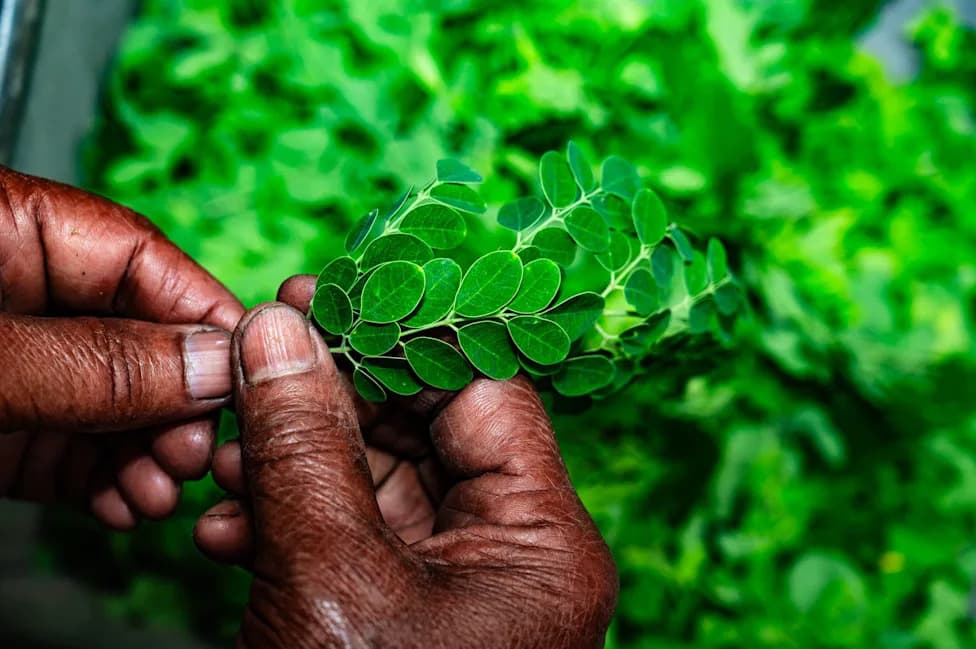
Moringa Recalls Follow 3 Salmonella Outbreaks That Sickened 175 People
The Salmonella outbreaks linked to moringa powders and capsules have ended, but many recalled products carry long expiration dates that extend into 2028 — meaning contaminated items could still be in homes. Consumers should check supplements now and compare package details with FDA recall notices.
Outbreaks at a Glance
The FDA and state health officials linked three separate outbreaks to moringa products in 2026. Together they sickened 175 people across multiple states and resulted in 50 hospitalizations; no deaths were reported.
Breakdown
- Largest outbreak: Moringa leaf powder — 131 illnesses across 38 states, 36 hospitalizations. Of 84 interviewed cases, 74 (88%) reported consuming moringa leaf powder.
- Rosabella outbreak: Rosabella Moringa Powder Capsules — 10 illnesses across 8 states, 3 hospitalizations. This cluster involved extensively drug-resistant Salmonella Newport and Salmonella Kentucky strains.
- MOGO outbreak: MOGO Pure Moringa Oleifera capsules — 34 illnesses across 14 states, 11 hospitalizations.
Laboratory Evidence and Regulatory Action
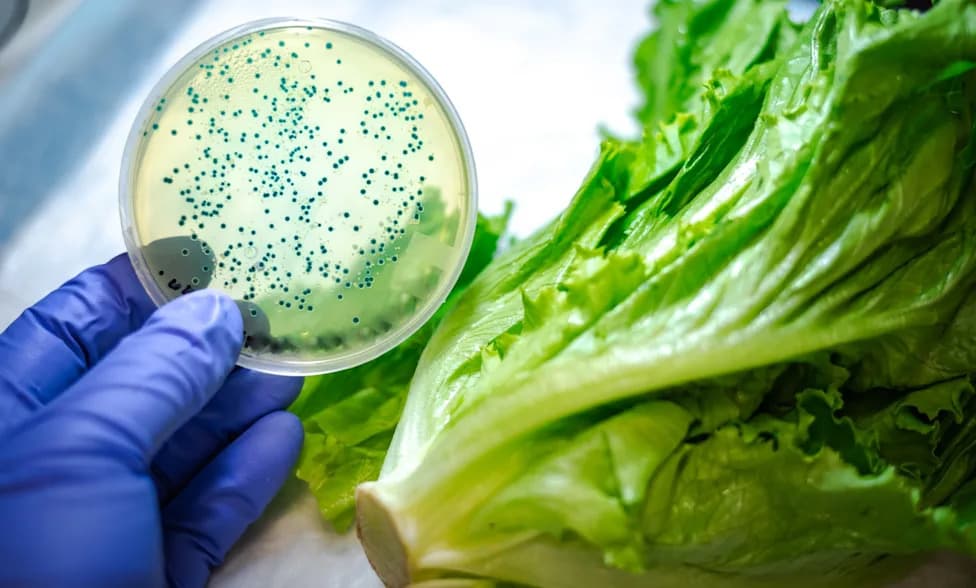
Investigators collected finished products and ingredients from consumers and supply-chain businesses. Twelve samples tested positive for Salmonella, and 11 of those samples contained at least one outbreak strain as confirmed by whole-genome sequencing — providing laboratory confirmation that linked the bacteria to contaminated products and ingredients. In response, the FDA increased screening of moringa powder imported from India.
Why Moringa Poses A Food-Safety Risk
Moringa powder is dried and shelf-stable, which lets contaminated products remain in pantries for months or years. Unlike many ingredients that are cooked before consumption, moringa powder is often added directly to smoothies and raw drinks, and capsules are swallowed as-is — so there is frequently no final cooking step to kill bacteria. Long expiration dates therefore increase the chance that recalled products remain in homes long after an outbreak is declared over.
Symptoms, Risks, And What To Do
Symptoms typically begin 6 hours to 6 days after exposure and commonly include diarrhea, fever, and stomach cramps. Most people recover within 4–7 days without specific treatment, but some infections can become severe. Children under five, adults 65 and older, and people with weakened immune systems are at higher risk. The drug-resistant strains seen in the Rosabella outbreak are especially concerning if antibiotic treatment becomes necessary.
If you have moringa powder, capsules, or a greens supplement containing moringa:
- Check the brand, product name, lot number and expiration date against current FDA recall notices.
- Do not consume recalled products. Follow the manufacturer's recall instructions or dispose of the product safely.
- Thoroughly clean containers, scoops, blenders, counters and any surfaces that may have contacted the powder.
- If you develop severe or bloody diarrhea, high fever, prolonged vomiting, signs of dehydration, or other concerning symptoms after using a recalled product, contact a healthcare provider and mention possible Salmonella exposure.
Supply-Chain Note
Multiple brands being recalled does not necessarily mean multiple unrelated contamination events. A single contaminated ingredient can move through a complex supply chain and appear in many finished products, producing ripple effects across brands and retailers.
Remember: Labels like "organic," "natural," or "superfood" describe marketing claims and do not guarantee a product is free of pathogens.
This article summarizes reporting as of publication. Recall details can change; for current lists of affected products, lot numbers and guidance, consult FDA.gov and CDC.gov. If you think you may have become ill after consuming a recalled product, contact a healthcare provider.
Originally published in Men's Fitness on Sep 6, 2026.
Help us improve.