Actor Peter Caulfield has launched Save Our Voices Now to fight AI voice cloning and has secured more than 4,000 petition signatures and support from well-known performers. The campaign calls for a statutory right to own one’s voice, enforcement against platforms serving UK users, and a requirement that AI developers prove consent. Campaigners warn the technology can reproduce voices in seconds and poses risks to work, privacy and security. The UK government has opened a consultation to consider protections while balancing innovation.
Actors Rally Behind Campaign Urging UK Law To Block AI Voice Cloning
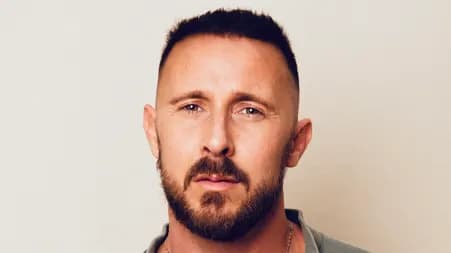
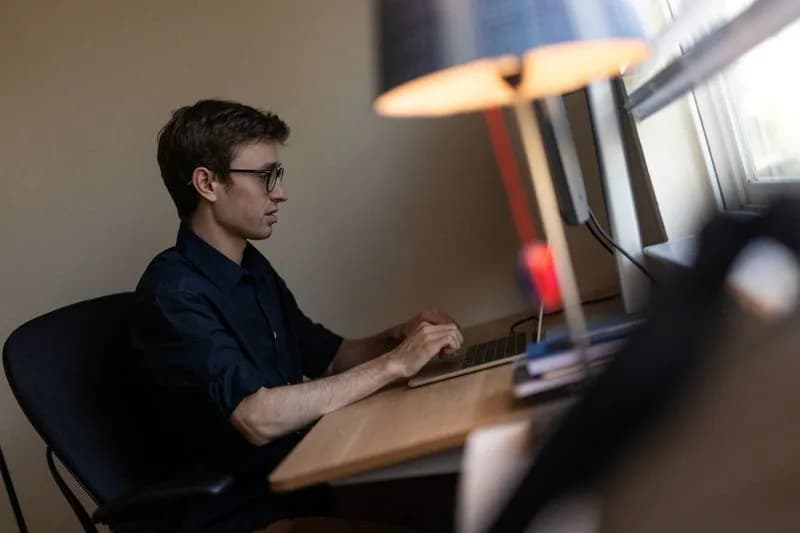
The founder of Save Our Voices Now, actor Peter Caulfield, said he wrote an open letter to Prime Minister Andy Burnham about his concerns [Peter Caulfield]
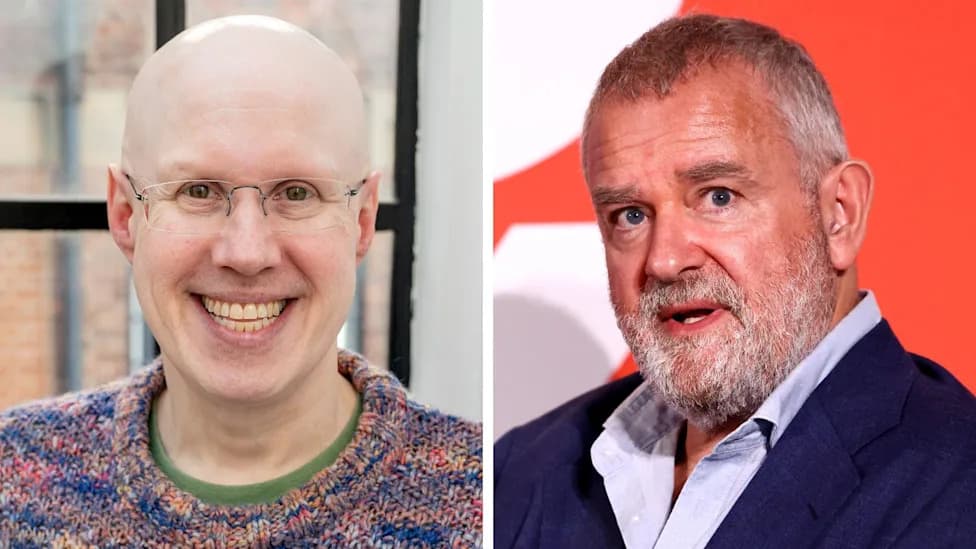
Peter Caulfield, an actor who appears in Channel 4's drama Tip Toe, is leading a campaign warning that AI voice cloning poses an "existential threat" to voice artists and performers. His Save Our Voices Now petition has gathered more than 4,000 signatures and attracted backing from high-profile names including Hugh Bonneville, Nicola Coughlan and Matt Lucas.
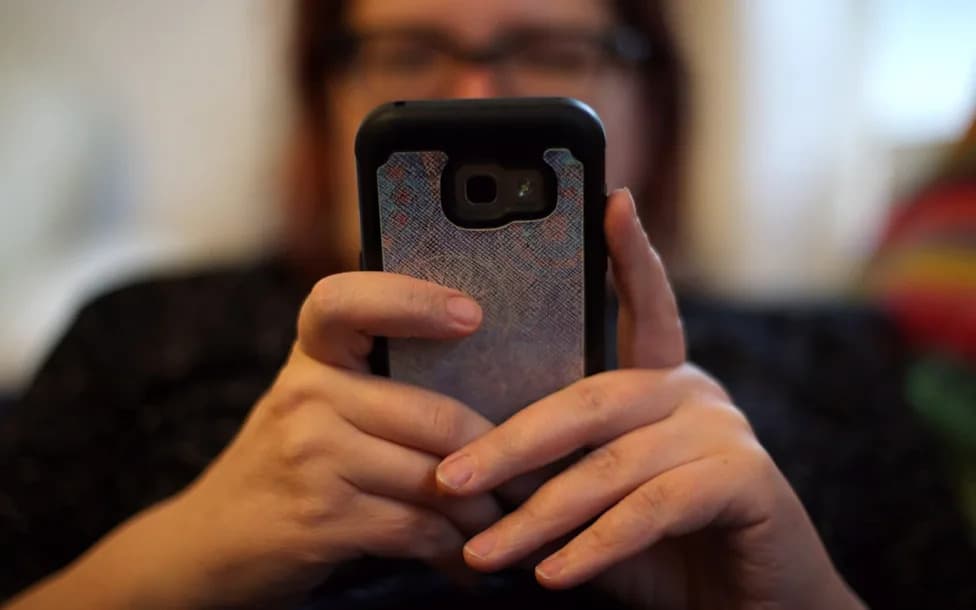
Caulfield, who grew up in Mapperley, Nottinghamshire and has appeared in EastEnders and Doctor Who, says he launched the campaign after discovering how little legal protection exists for performers when companies use synthesized versions of real voices. He told the BBC his tests found some AI tools could reproduce a person's voice in seconds, and that producers and platforms are increasingly opting for AI-generated voices.
What the campaign demands
The Save Our Voices Now initiative is calling for a statutory right in the UK that recognises an individual's voice as protected intellectual property. The campaign wants that right to be enforceable against platforms serving UK users regardless of where those companies are based, and for the burden to fall on AI developers to prove they had consent to use a person's voice.
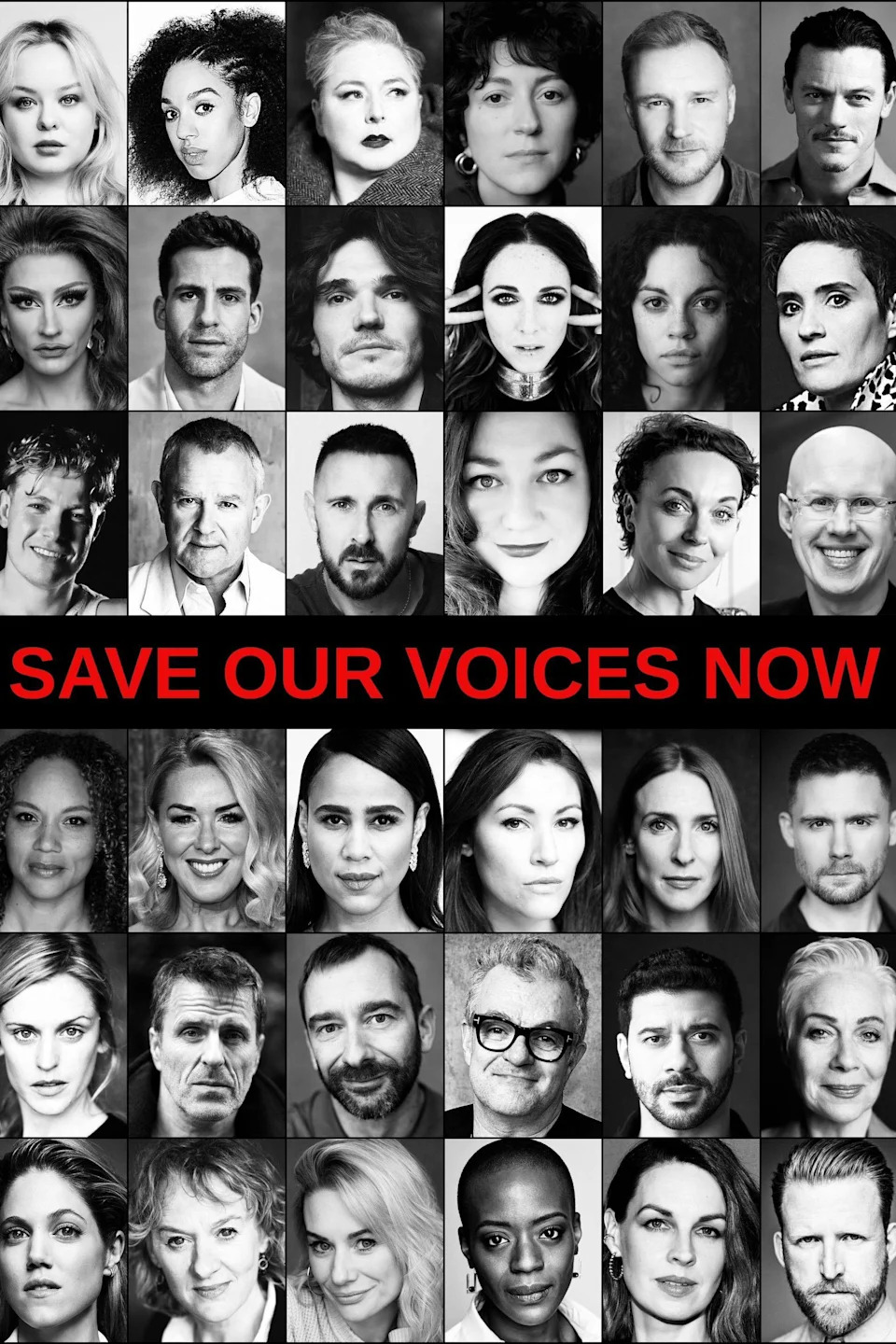
Caulfield's campaign quickly garnered the support of fellow actors [Save Our Voices Now]
Caulfield said he wrote an open letter to political leaders, including Mayor Andy Burnham, and circulated it among actors and voice professionals. He says support arrived within days as colleagues raised alarm about voices being "stolen" and shared accounts of misuse. Beyond job losses, Caulfield and others warn of broader harms, including scams and identity theft using cloned voices.
"Our voice is the first thing you hear when you meet somebody. It says so much about them, it says so much about their family, their history," Caulfield said.
Industry Tests And Reactions
Kieran Vyas, an acting coach and director in the East Midlands, experimented with AI to recreate the interplay of two actors. He described the results as "incredible and terrible at the same time"—technically impressive but lacking human nuance, emotional connection and timing. Vyas added that while independent tests show limitations, major studios will likely employ specialists who can produce more convincing results.
"The genie is out of the bottle," Vyas said. "We can't stop it. The only thing we can do is regulate and hold the creators to account." He remained cautiously optimistic that the industry can adapt to technological change.
Government Response
A Government spokesperson said digital replicas can be a powerful tool for creatives but warned that reproducing someone's likeness without permission can be harmful. The government has launched a consultation to explore how to address these harms while protecting legitimate innovation.
The Save Our Voices Now campaign continues to gather signatures and collect testimonies from performers and members of the public. Supporters hope the consultation will lead to clear legal protections and enforcement mechanisms for voice rights.
Help us improve.