Decades of research find parental expectations — communicating that school matters, setting clear standards, monitoring progress and linking learning to future goals — are powerful predictors of student success. Meta-analyses (2001, 2009, 2024) show "academic socialization" often matters more than direct homework help. With 2024 NAEP results showing 45% of 12th-graders below Basic in math and 32% below Basic in reading, improving outcomes requires both better school policies and stronger parental expectations.
The Missing Variable in Academic Decline: How Parental Expectations Shape Student Success
American education debates often focus on funding, curriculum, technology, teacher quality and the pandemic — all important factors. But one influential and underappreciated variable is what parents expect from their children and what happens when those expectations weaken.
Why Expectations Matter
Research repeatedly shows that parental aspirations and expectations — sometimes described as "academic socialization" — are strongly linked to student achievement. Meta-analyses from 2001, 2009 and 2024 find that communicating that school matters, setting clear standards for effort and performance, monitoring progress, and connecting schoolwork to future goals often predict outcomes more reliably than hands-on homework help.
"Expectations do not erase poverty or disability, but they remain consequential across those differences."
Children learn what the adults around them treat as normal. If a C grade signals an opportunity to improve, students internalize accountability. If a C is accepted without follow-up, they learn that standards are negotiable. Those family norms carry into classrooms and shape how teachers, administrators and students respond to success and failure.
How Family Responses Shape Schools
When families frequently demand accommodations for ordinary failure — repeated retesting, extensions, grade changes or defensive complaints — the incentives facing schools shift. Teachers face higher costs for enforcing standards; administrators face pressure to avoid low graduation or retention metrics; students learn that deadlines and benchmarks are flexible. Over time, the system can prioritize avoiding the appearance of failure over actually correcting learning gaps.
None of the following practices is inherently wrong: retesting, extensions and accommodations have appropriate uses. The problem arises when these supports become the default response to routine underperformance rather than targeted interventions designed to promote growth.
Data That Raise the Alarm
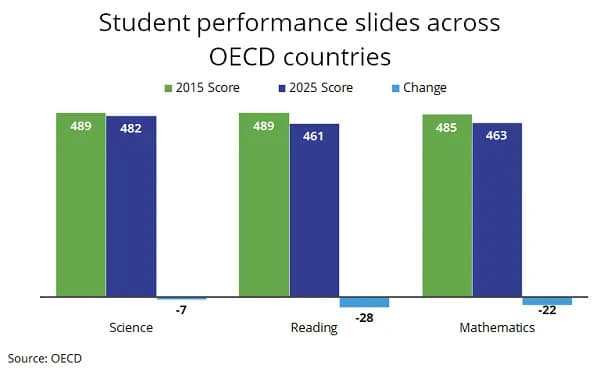
National assessment results underscore the stakes. In 2024, 45% of American 12th-graders scored below NAEP Basic in mathematics and 32% scored below Basic in reading — evidence that many students finish high school without demonstrating even basic academic mastery.
Support Versus Lowered Expectations
The distinction between support and lowered expectations is vital: Compassion says, "You're struggling, so we'll give you more help." Lowered expectations say, "You're struggling, so we'll demand less." The first assumes growth is possible; the second risks converting temporary setbacks into lasting limitations.
What Parents Can Do
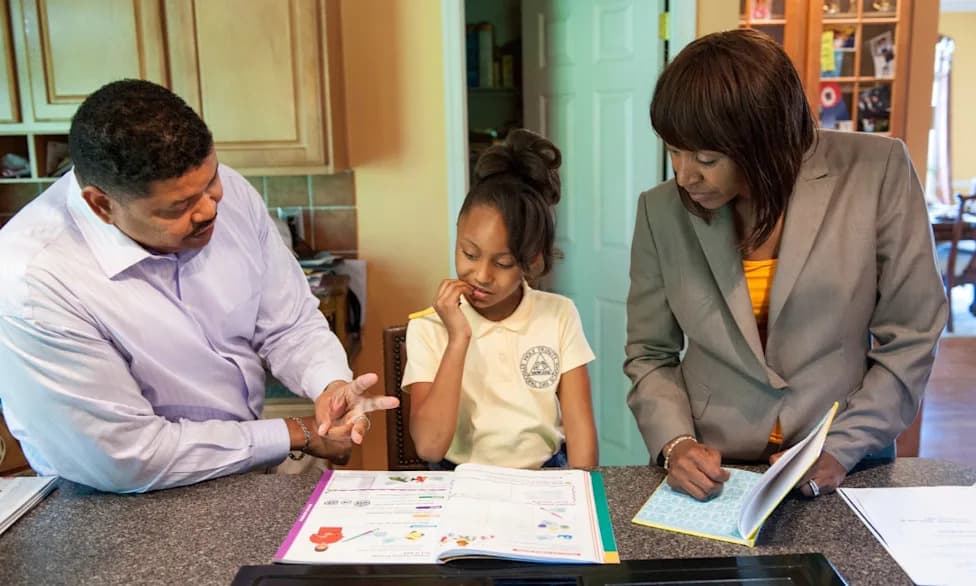
Parents do not need to act as tutors or police every assignment. Their most powerful role is cultural: set clear standards, reinforce effort, expect respectful behavior toward teachers, and connect schoolwork to future goals. Practical steps include asking constructive questions after a poor grade ("What went wrong and how will we fix it?") and insisting on honest reporting from schools when grades mask skill gaps.
Accountability should be two-way: parents should demand remediation if students are advanced without prerequisite skills, and schools should offer targeted supports that preserve standards while promoting learning.
Conclusion
Policy debates about curriculum, funding, testing and choice matter. But decades of research point to a more basic truth: children tend to do better when the adults raising them communicate that education matters and expect them to meet meaningful standards. Restoring academic achievement requires asking not only what schools should change, but what parents should again expect.
Help us improve.