Thesis: U.S. math instruction needs a phonics-style reassessment: prioritize explicit, step-by-step teaching and deliberate practice of fundamentals. Research finds that minimal-guidance approaches fail novices, and current NAEP results show many students lack basic fluency. Institutional incentives and a reflexive aversion to 'drill' have prolonged ineffective practices. Start with mastery of procedures, then build deeper understanding.
Math Needs a Phonics-Style Reckoning: Teach Fundamentals With Clear, Repetitive Instruction

Many education debates today echo a lesson from the reading wars: when novices are taught with the wrong methods for years, large numbers of children suffer. The same kind of reckoning is overdue in math. Schools should prioritize explicit, step-by-step instruction and focused practice on fundamentals so students gain fluency before moving to higher-order work.
From Reading To Math: A Common Root
The recent push to adopt instruction grounded in the 'science of reading' has spotlighted how decades of poor early-literacy practices harmed learners. Less often noted is that those literacy errors were part of a broader shift in education theory away from explicit instruction. For reasons ranging from romanticized ideas about learning to certain political alignments, many teacher-preparation programs and influential thinkers promoted discovery and inquiry over direct teaching.
Why Explicit Instruction Matters
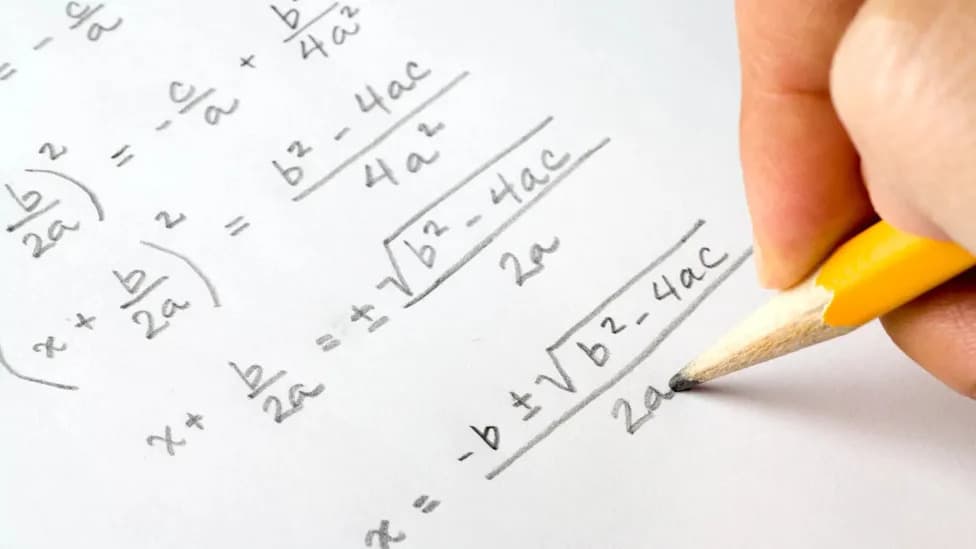
Outside formal schooling, most human teaching is explicit: someone demonstrates, explains, and guides practice. Think of learning knife skills, tying a tie, juggling, or swimming. You can experiment for hours and make little progress; a clear demonstration plus repeated practice gets you competent quickly. The same principle applies to math: mastering basic procedures — arithmetic fluency, times tables, long division algorithms — frees cognitive resources for problem solving and conceptual understanding.
Evidence And Consequences
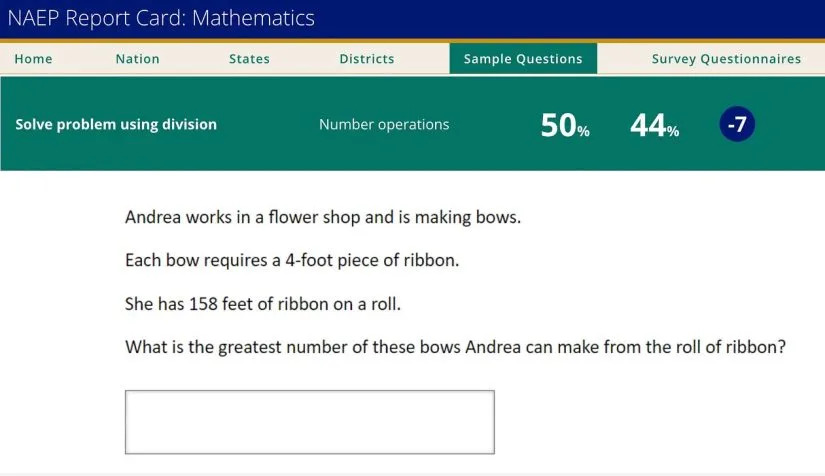
Research on instructional guidance shows that minimal-guidance or unguided discovery learning is ineffective for novices. In practice, this matters: on a National Assessment of Educational Progress (NAEP) math task, only about 50% of eighth graders answered a target word problem correctly in 2019, and by 2022 that share had fallen to 44%. Those results suggest many students lack reliable fluency with basic operations such as division.
Ideology, Institutions, And Incentives
Some prominent educators, including Stanford professor Jo Boaler, have criticized approaches that emphasize procedural practice, arguing they can be harmful when misapplied. At the extreme end, a few groups have even framed an emphasis on correct answers as culturally biased. Those critiques are worth engaging, but they have sometimes morphed into a reflexive distrust of drills.
Another driver is political and institutional: teachers' unions and some education leaders have incentives to resist standardized measures of student learning and teacher evaluation. Labels like 'drill and kill' are used to delegitimize repetition-based instruction even when such practice would help struggling students achieve foundational competence.
Real-World Learning Is Often Explicit
Consider real-world examples: a cooking class demonstrates how to dice an onion step by step; a swim coach runs repetitive drills to perfect starts and turns; an instructor teaches juggling with scarves first, then balls. These are not insults to creativity — they are efficient, practical sequences that build skill. Once the basics are automatic, learners can explore and innovate with confidence.
What Works: Mastery First, Then Depth
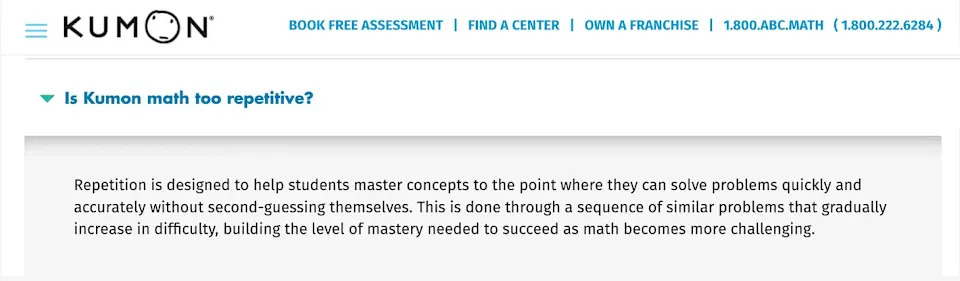
Effective instruction combines explicit teaching of procedures, deliberate practice until automaticity, and then opportunities for deeper conceptual work. Educators like Anna Stokke emphasize that deep understanding is built on top of procedural fluency, not instead of it. Programs that succeed — whether small private tutors or structured systems such as Kumon — tend to follow this simple formula: demonstrate, practice, and ensure mastery.
Policy And Classroom Implications
Policymakers and school leaders should
- Prioritize training in explicit instructional techniques in teacher-preparation programs.
- Allow and encourage focused practice on foundational skills within the school day rather than stigmatizing it as a default pedagogical evil.
- Use assessments as diagnostic tools to identify gaps in fluency and to guide instruction, while guarding against overreliance on high-stakes punitive uses.
- Support teachers with realistic class compositions and curricular clarity so they can teach core skills to groups of students starting from similar baselines.
None of this means abandoning inquiry or conceptual work. It means sequencing instruction so that students first become competent and automatic with fundamentals, then use that fluency to access deeper, more creative mathematics. If schools can accept that ordinary explicit teaching is sometimes the right tool, many more students will move from confusion to competence.
Help us improve.