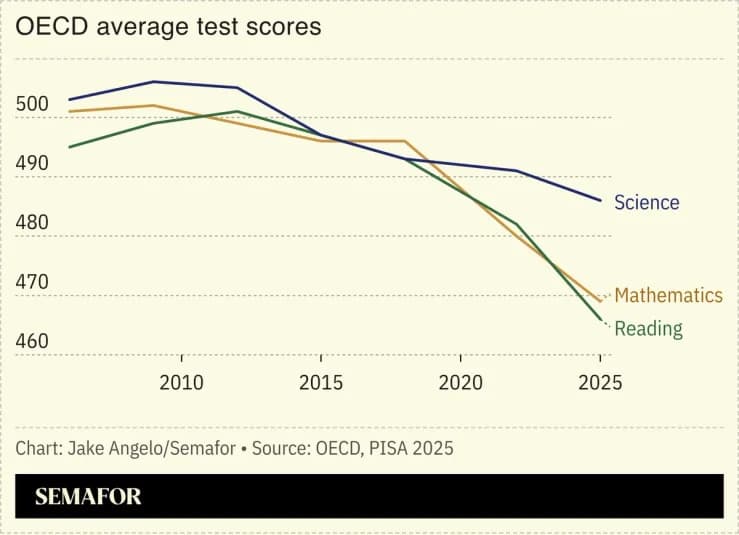
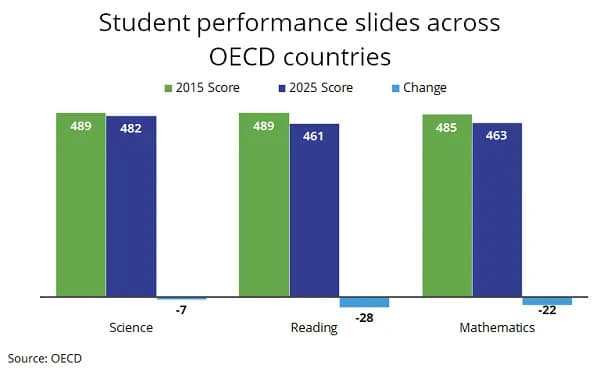
The OECD’s PISA 2025 finds falling performance among 15-year-olds in developed economies, with reading down 28 points since 2015, math down 22 points and science down seven. The study of 760,000+ students across 91 countries highlights rising "hasty readers," increased low performers, mixed effects from classroom screens and AI, and the limits of spending alone. For advertisers and educators alike, the report stresses that exposure is not the same as comprehension: messages and instruction must be clearer, more useful and mindful of limited attention.
Tomorrow’s Consumers Can Scroll — But Can They Read the Offer? PISA 2025’s Stark Warning
The next generation of consumers is growing up with artificial intelligence in their pockets, endless short-form video in their feeds and rising difficulty interpreting basic information such as price-per-ounce at the grocery store. The OECD’s PISA 2025 results present a worrying picture: average performance across developed economies fell to its lowest recorded level in reading, mathematics and science for 15-year-olds.
What PISA 2025 Measured
More than 760,000 students participated, representing roughly 33 million teenagers across 91 countries and economies. The assessment evaluated science, reading, mathematics and computational problem solving, and included new measures such as digital-device distraction and AI use in learning.
Reading Takes the Biggest Hit
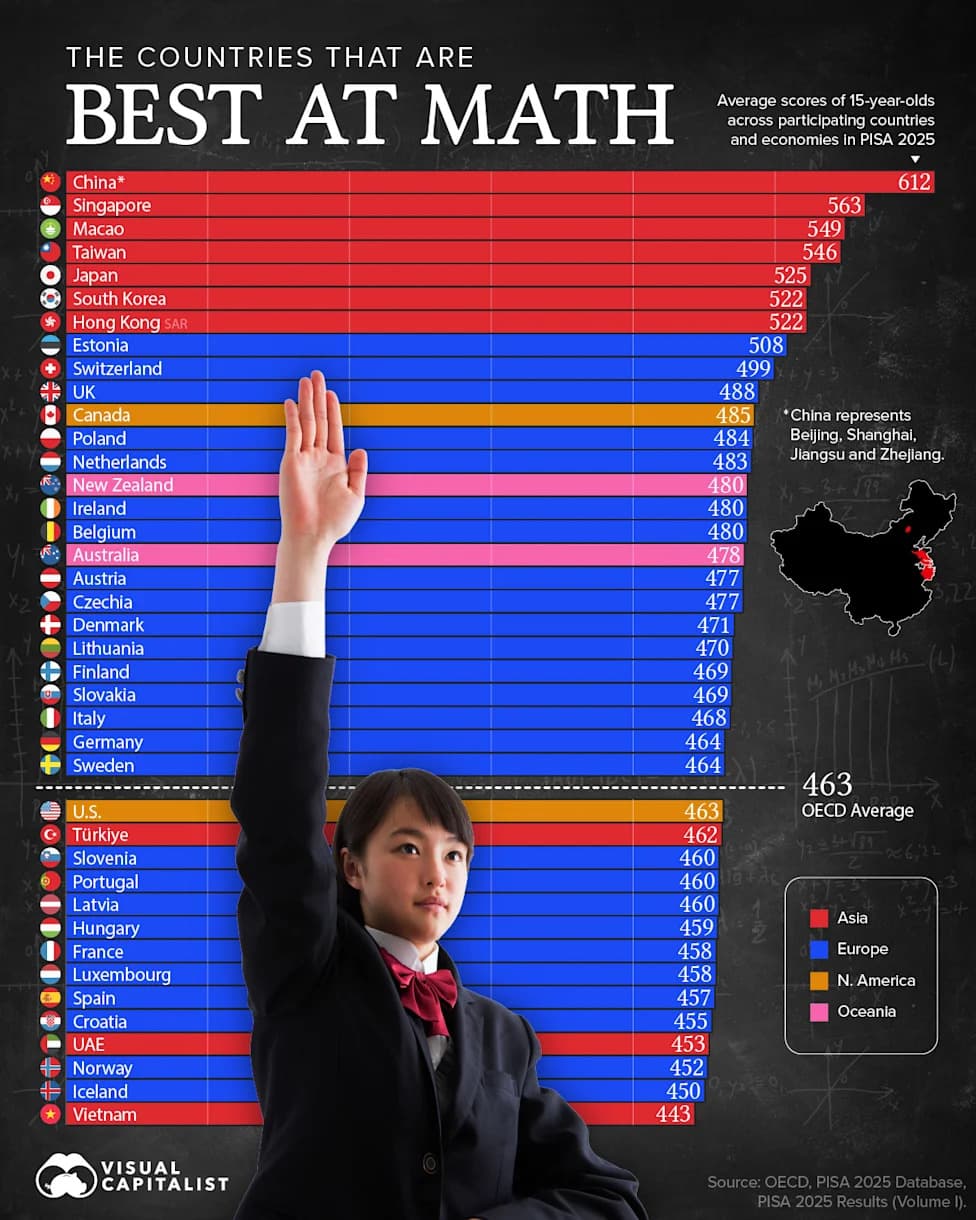
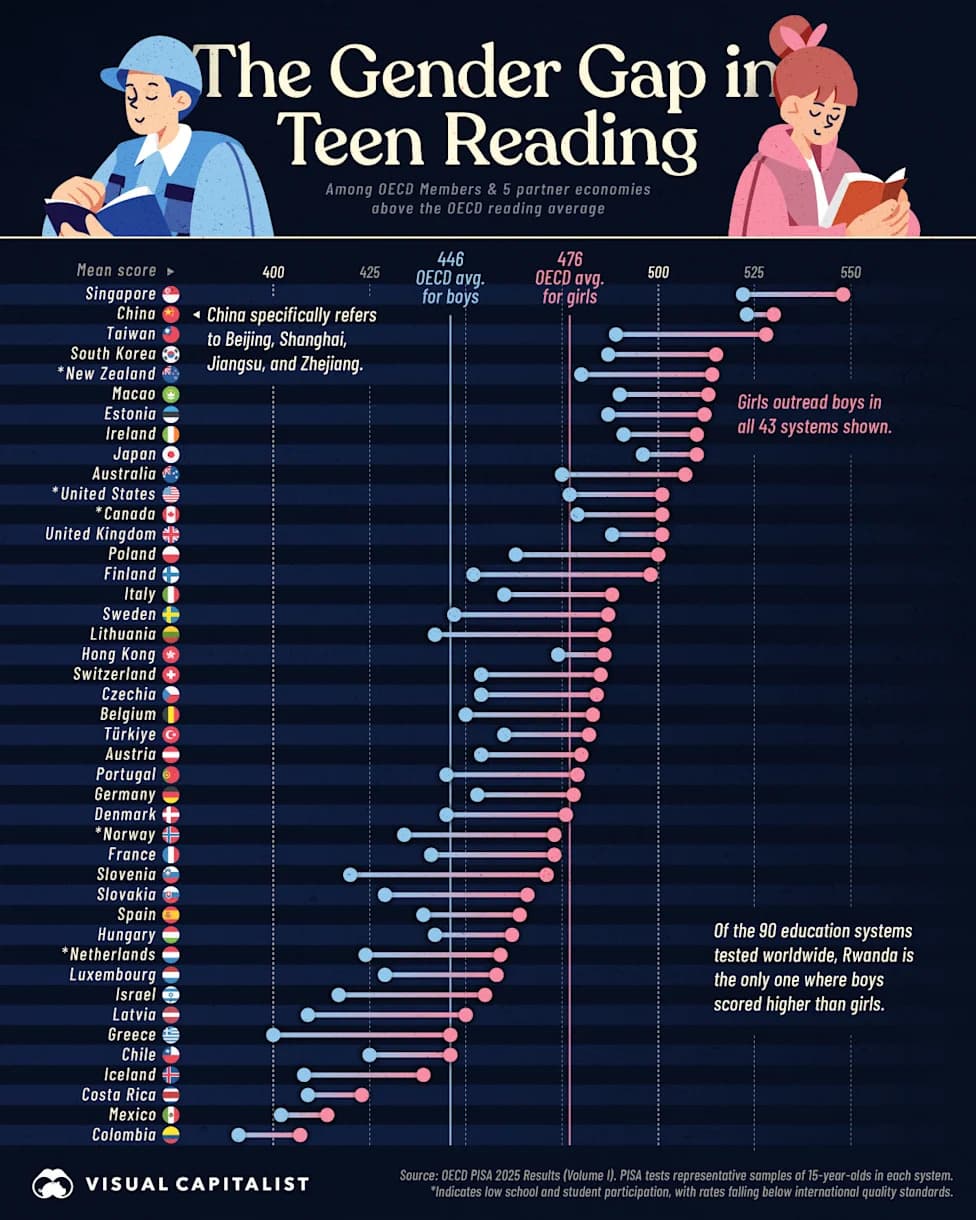
Across OECD countries, average reading scores dropped 28 points between 2015 and 2025. Mathematics fell 22 points (about a year of learning, per the OECD) and science declined seven points. The share of "hasty readers"—students who rush through text and pick incorrect answers—almost doubled between 2018 and 2025.
Regional Standouts And Caveats
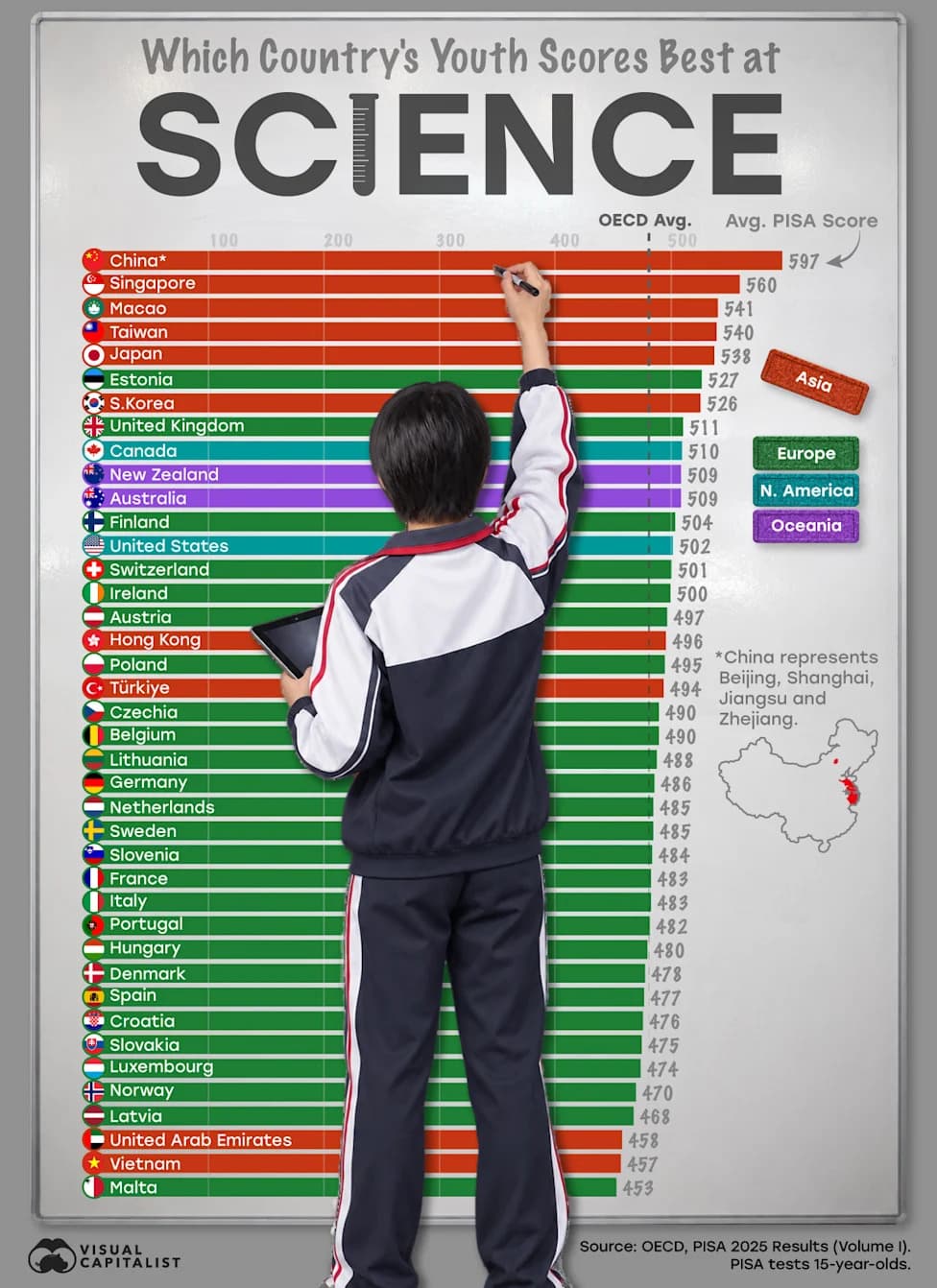
Top performers included the Chinese jurisdictions of Beijing, Shanghai, Jiangsu and Zhejiang, as well as Singapore, Estonia, Japan, Korea, Macao, Chinese Taipei and the United Kingdom. The United States scored 502 in science, 490 in reading and 463 in mathematics—above OECD averages in science and reading and near average in math—but U.S. estimates carry a sampling caveat: one or more PISA sampling standards were not met and over 40% of responding U.S. students did not receive the student questionnaire, so the OECD urges caution interpreting those figures.
Money Isn’t Enough
National wealth explains only about half the variation in educational outcomes. How funds are spent and how schools are organized matter more than sheer per-student expenditure. For example, Luxembourg’s estimated spend per student was far higher than other systems, yet its average science score trailed some countries that spent much less.
Screens: A Mixed Influence
Limited or targeted classroom use of digital devices correlated with stronger results, while leisure device use and frequent classroom distraction correlated with worse outcomes. Twenty-eight percent of students said classmates were distracted by devices during most or every science lesson; in the top-performing Chinese regions, Japan and Korea, that figure was under 10%. Schools with clear cellphone policies reported less distraction.
AI Can Help Or Hinder
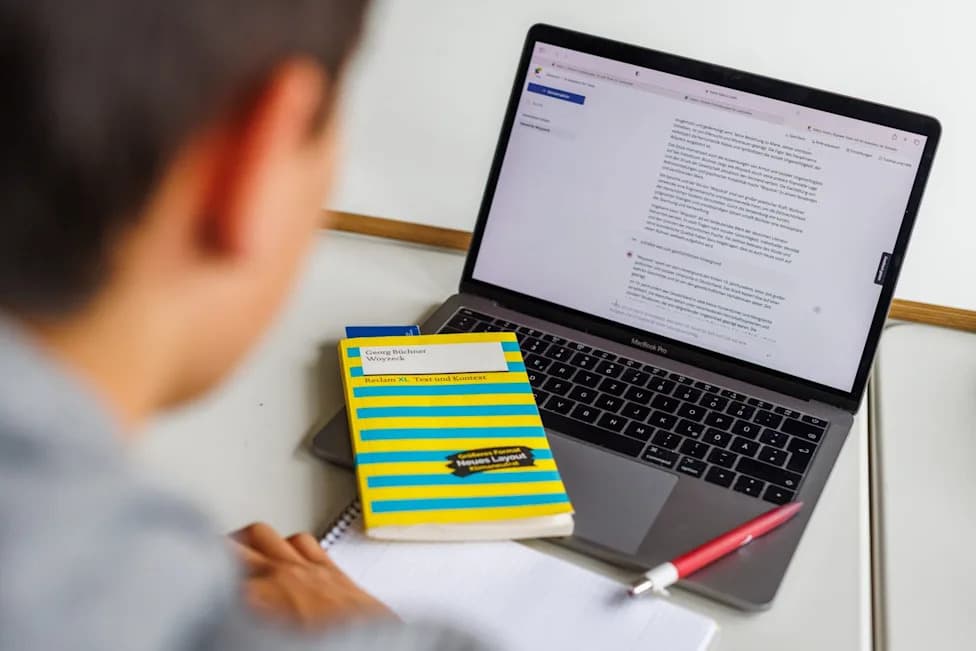
The relationship between AI use and performance was complex. Students who did not use AI for specific school tasks generally outperformed those who did, while broad weekly users and nonusers performed similarly. Outcomes improved when frequent AI use was paired with explicit AI-literacy instruction—an opportunity more common among affluent students—raising the risk of a new divide. The OECD stresses these are associations, not proof of causation: struggling students may turn to AI for help.
Socioeconomic Trends
Socioeconomic gaps narrowed between 2022 and 2025, but largely because scores among advantaged students fell rather than disadvantaged students improving. Overall, 20% of students were low performers in reading, math and science in 2025, up from 16% in 2022. Only 57% of students said they did not find learning new things boring, a share that declined in 60 education systems since 2022.
Implications For Marketers
Exposure Is Not Comprehension.
The study isn’t about advertising or purchase behavior, but it maps the cognitive environment where tomorrow’s consumers are forming. Declining critical reading, widespread digital distraction and mixed effects of AI mean that marketers should prioritize clarity, usefulness and respect for limited attention. Precise ad delivery is meaningless if the audience skims, misunderstands or ignores the message.
Bottom Line
PISA 2025 delivers a clear injunction: invest in understanding. Whether in classrooms or marketing teams, better instruction, clearer communication and tools that promote thinking—not shortcuts that replace it—are the practical responses to a generation that can scroll fast but may not always read carefully.
Help us improve.