New Learning Heroes survey data shows declining parental confidence in grade-level achievement: math perceptions fell 9 points to 83% and reading fell 5 points to 88% since 2022. Local drops in New York City and Tarrant County mirror national trends, while research points to long-term grade inflation and pandemic-era grading changes as contributing factors. As parents gain a clearer view of learning gaps, more are asking for assessments, tutors, and teacher support; experts call for clearer, earlier communication from schools.
Parents Are Starting to Question Report Card Grades as New Data Shows Drop in Confidence

New survey data and reporting suggest more parents are recognizing a gap between classroom grades and actual mastery in reading and math. Learning Heroes, a nonprofit that helps families interpret student-performance data, reports noticeable declines in the share of parents who say their children are at or above grade level.
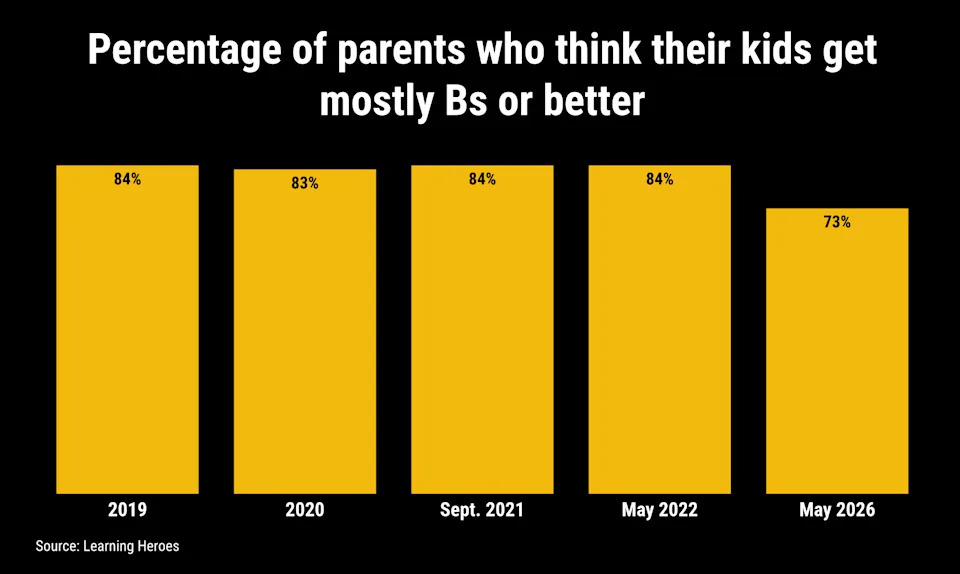
For years, over 80% of parents thought their kids were B students or better. New data shows that's changing. (Learning Heroes)
Declining Parental Confidence
Since 2022, the share of parents who believe their child is at or above grade level in math fell 9 percentage points to 83%; in reading it declined 5 points to 88%. Local drops mirror the national trend: in New York City, parents reporting grade-level performance fell 13 points to 81% in math and 8 points to 87% in reading. In Tarrant County, Texas, math perceptions slipped from 92% to 84% and reading from 96% to 84%.
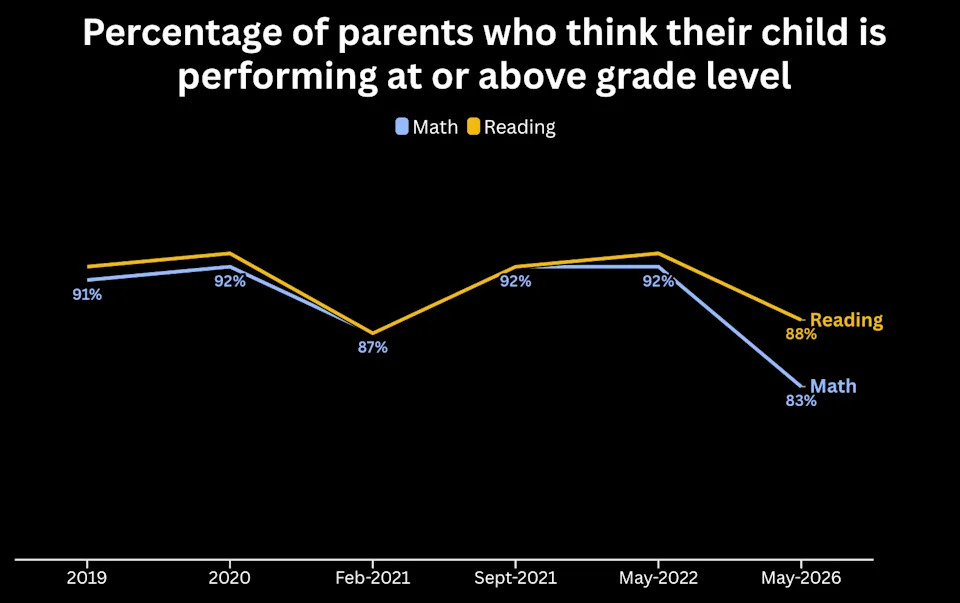
In 2022, over 90% of parents thought their children were performing at or above grade level in reading and math. New data shows that's changing. (Learning Heroes)
Why Grades May Be Misleading
Researchers point to a longer-term pattern of grade inflation that intensified during the pandemic, when many schools allowed reassessments, credited completion regardless of accuracy, or relaxed grading standards. Between 2016 and 2021 the average GPA of students taking the ACT rose from 3.22 to 3.39, even as average ACT scores edged down from 20.8 to 20.3—suggesting grades and standardized-test outcomes have diverged.
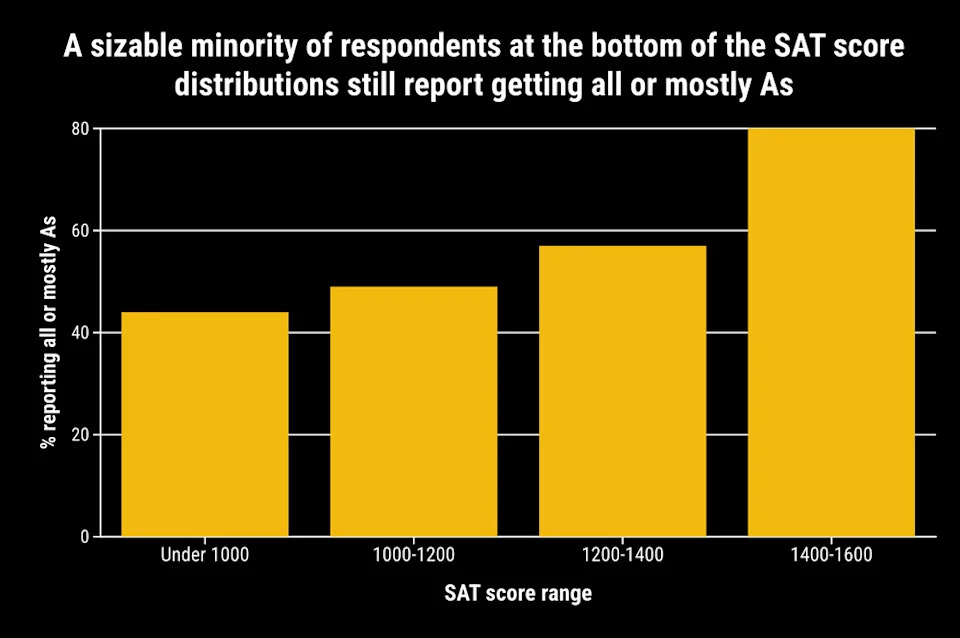
Forty-four percent of students making all or mostly A's in school score less than 1,000 on the SAT. (Thomas B. Fordham Institute)
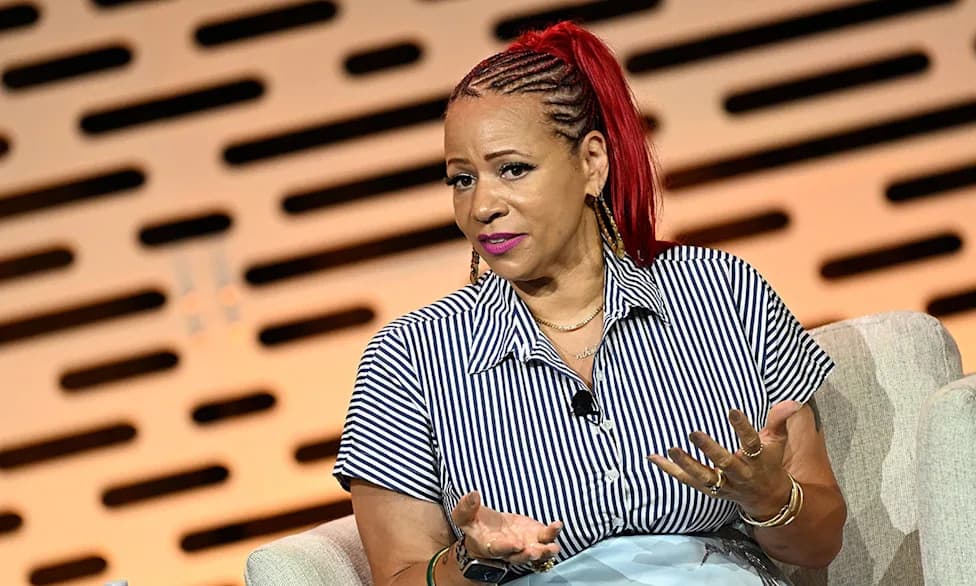
“I do feel like the drumbeat is causing parents to question more whether an A actually means mastery,” said Marc Porter Magee, CEO and founder of 50CAN.
Policies That Can Obscure Performance
Some districts have adopted grading rules such as 'no zero' policies, which prevent teachers from assigning grades below a fixed minimum (often 50). Research by Dan Goldhaber and others shows these policies have spread and vary widely, making it hard for families to find or understand grading rules. Meanwhile, 29 states have laws or policies that allow or require repeating third grade for students who score below proficiency on state reading tests—policies that can create urgency but often include exemptions.
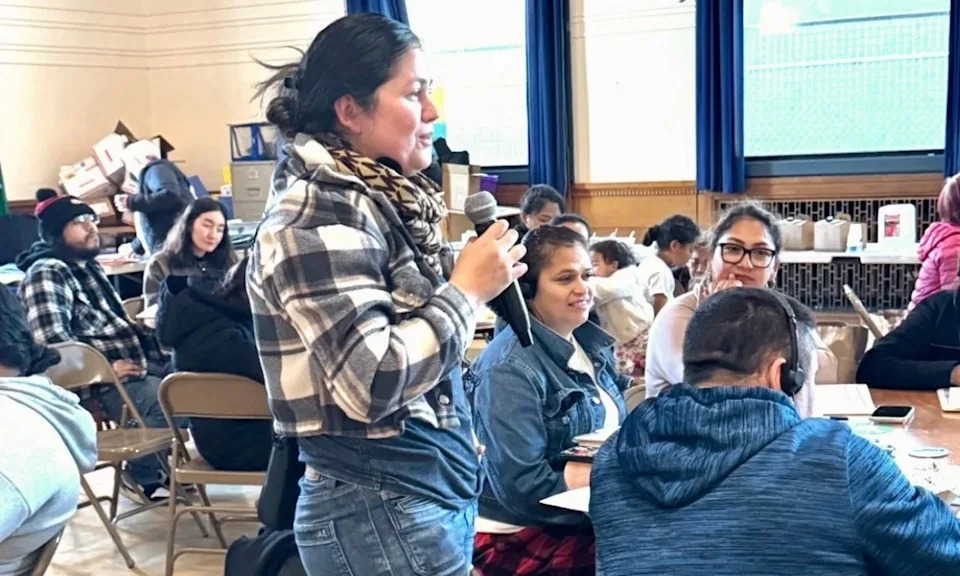
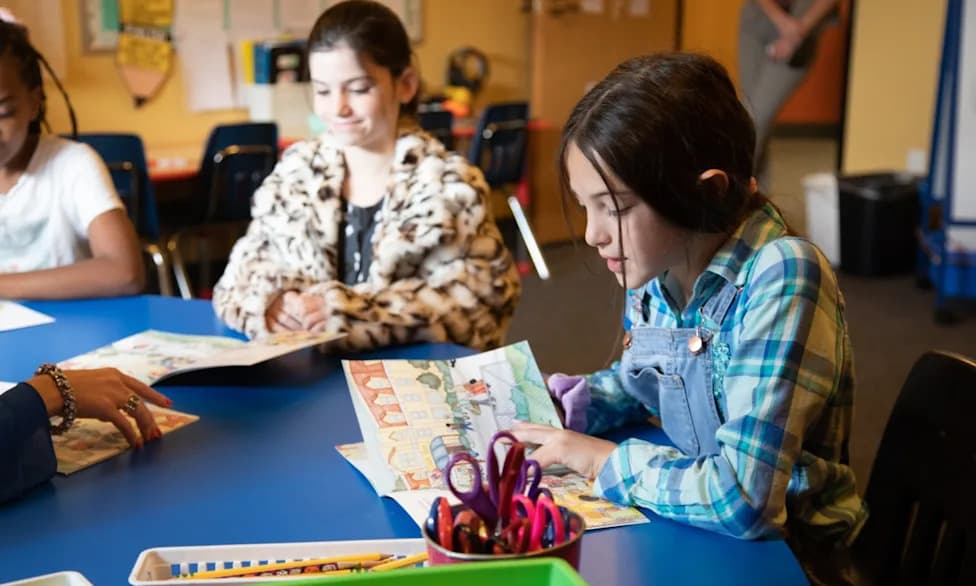
SF Parents holds Read to Lead workshops to help parents better understand their children's performance in school. (San Francisco Parents)
Parents Taking Action
The shift in awareness is prompting action. Learning Heroes finds that parents who know their child is below grade level are more likely to speak with teachers (57% vs 47% overall), request assessments (39% vs 27%), hire tutors (32% vs 19%), and ask teachers for extra support (48% vs 23%). Yet many parents still struggle to judge grade-level work: one in five say they could not recognize grade-level content, and only 30% reported being extremely confident about what a child should master in each subject.
Community Efforts and Recommendations
Parent-led groups and workshops—like San Francisco Parents’ Read to Lead program—have helped families interpret report cards and test scores and learn how to support learning at home. Experts and advocates stress clear, early communication from schools, with family-friendly explanations of assessment data and concrete steps families can take if a child is falling behind.
What Parents Should Look For
Families can start by comparing classroom grades with standardized-test results and requesting examples of classwork or assessments. Ask teachers for specific evidence of mastery, timelines for improvement, and recommended interventions such as targeted tutoring or small-group instruction.
Takeaway
The data show a shift: more parents are questioning whether report card grades always reflect true learning. That awareness is driving more conversations between families and schools and more demand for clear information and targeted support to help students reach grade-level expectations.
Help us improve.