New preclinical research suggests inflammation-resolution pathways — the biological signals that tell the immune system to stop — may be a third contributor to high blood pressure. In hypertensive mice, an experimental drug, compound 17b, activated formyl peptide receptors (FPRs), producing modest blood-pressure reductions and reversing fibrosis in the heart and kidneys. The treatment reduced aortic stiffness and renal scarring, indicating organ-protective effects beyond lowering blood pressure. Human studies are needed to confirm safety and efficacy.
Possible Third Driver Of Hypertension Identified — Experimental Drug Reverses Organ Damage In Mice
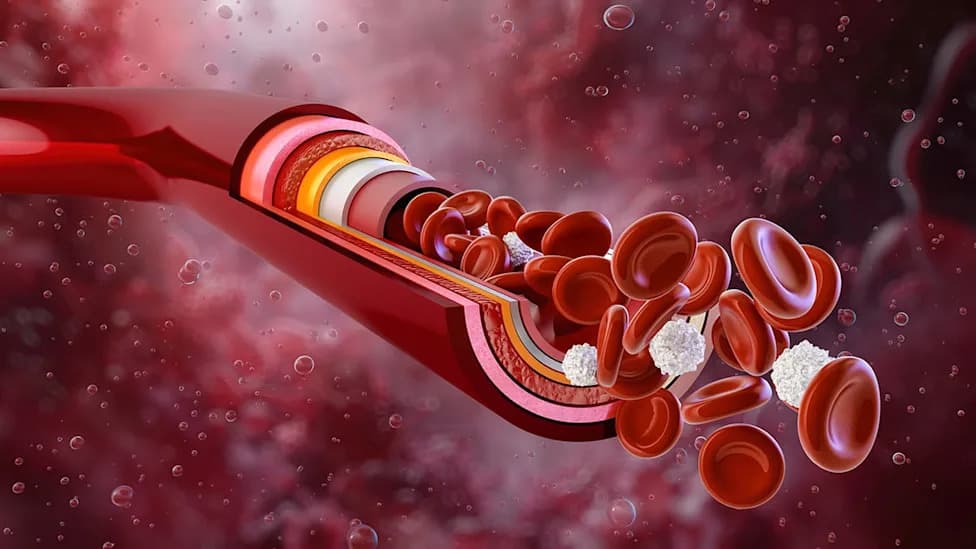
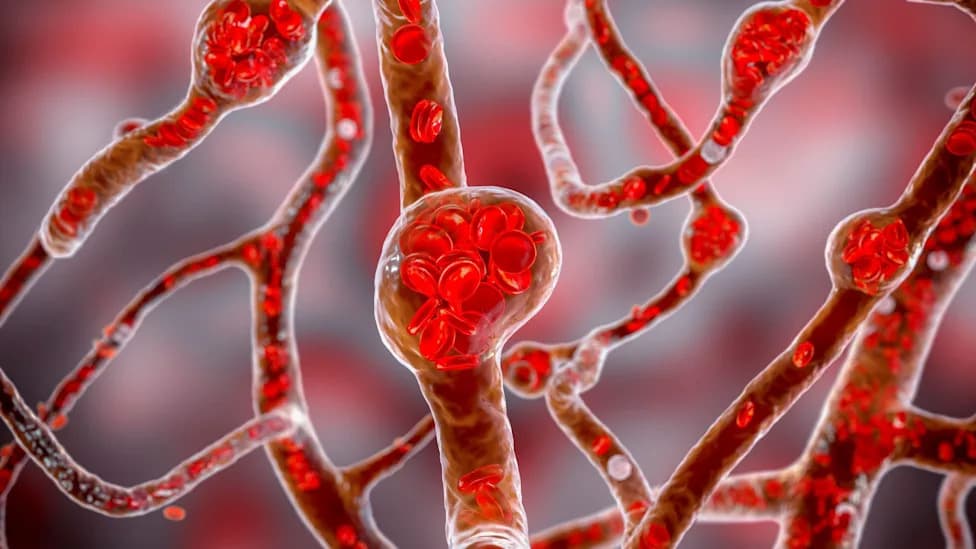
(Ruslanas Baranauskas/Science Photo Library/Getty Images)
Researchers report a possible new contributor to high blood pressure: inflammation-resolution pathways, the biological mechanisms that tell the immune system when to stop fighting. In mouse experiments, an experimental molecule called compound 17b activated these pathways and produced modest reductions in blood pressure while reversing inflammation-driven damage in the heart, kidneys and large arteries.
Background: Clinical management of hypertension usually targets two systems: the sympathetic nervous system (SNS), which mediates stress responses, and the renin-angiotensin-aldosterone system (RAAS), which controls blood volume and vascular tone. The new study, published in Communications Biology, highlights inflammation-resolution signalling as a potentially important third axis influencing blood pressure and organ health.
YouTube Thumbnail
How The Drug Works
Unlike broad anti-inflammatory drugs that suppress immune activity (and can sometimes worsen blood pressure or increase infection risk), compound 17b appears to restore the body’s natural inflammation-resolution signals. The compound acts as an agonist of formyl peptide receptors (FPRs), receptor proteins on immune and tissue cells that help switch off inflammatory responses once the threat has passed.
“This study provides an opportunity to advance understanding of neuro‑immune interactions in hypertension and to inform the development of therapeutic approaches that target both inflammatory and neural pathways in cardiovascular disease,” the authors wrote.
Key Findings In Mice
In hypertensive mouse models, treatment with compound 17b produced several beneficial effects:
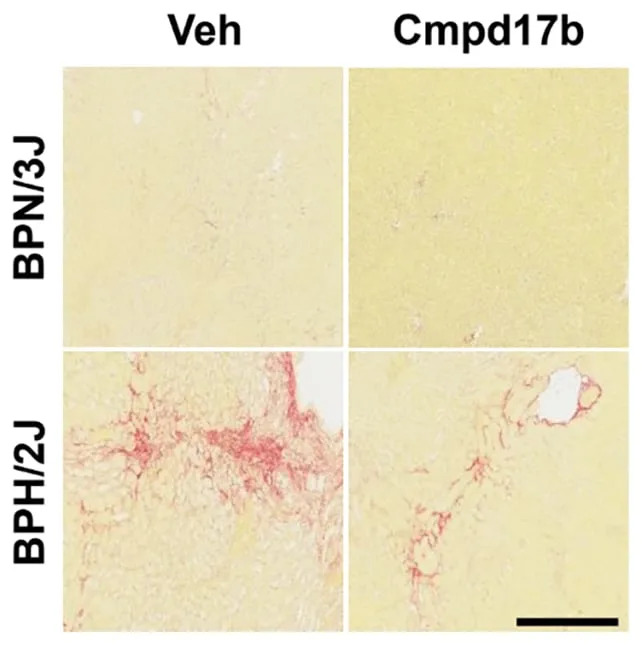
The compound reduced kidney scarring in mice with hypertension (bottom two panels). (Singh et al.,Commun. Biol., 2026)
- Modest reductions in blood pressure compared with untreated hypertensive mice.
- Reduced aortic stiffness, a measure linked to cardiovascular risk.
- Decreased fibrosis (harmful scar tissue) in the heart and kidneys and reduced renal scarring.
Taken together, the results suggest the compound provides direct cardiorenal and vascular protection that goes beyond simple blood-pressure lowering. The authors propose that FPR agonism — stimulating these resolution receptors — is a promising therapeutic strategy for lowering blood pressure and reversing renovascular fibrosis.
Implications And Caveats
The findings are encouraging but preliminary. All experiments to date were performed in mice, and it is unknown whether humans would experience the same benefits or what the safety profile would be in people. The researchers do not claim compound 17b would replace existing antihypertensive drugs; rather, it might become an alternative for patients who cannot tolerate current therapies or serve as a complementary treatment to better address inflammation and organ scarring.

Subscribe to ScienceAlert's free fact-checked newsletter
More broadly, the study underscores that promoting the mechanisms that actively switch off inflammation (resolution) could be as valuable as suppressing inflammation itself when treating cardiovascular disease.
Publication: Singh et al., Communications Biology (2026).
Help us improve.