A 2025 study found that the blood-pressure drug amlodipine reduced hyperactivity and impulsivity in spontaneously hypertensive rats and genetically modified zebrafish. In comparative tests, amlodipine and methylphenidate produced similar reductions in impulsive behaviour in fish. Observational UK Biobank data linked amlodipine use to fewer reports of mood swings and risk-taking, but the analysis cannot prove causation. Authors call for controlled human trials to determine whether these preclinical findings translate to therapeutic benefit.
Could a Blood-Pressure Pill Treat ADHD? Amlodipine Shows Promise in Animal Tests

(Dani Serrano/Moment RF/Getty Images)
A common blood-pressure medication, amlodipine (brand name Norvasc), has shown promising effects on hyperactivity and impulsivity in animal models of attention-deficit/hyperactivity disorder (ADHD), according to a 2025 study published in Neuropsychopharmacology. The research—conducted by a multi-centre team across Europe—used established rodent and zebrafish models to identify potential non-stimulant alternatives for ADHD.
Study Design and Key Findings
In an initial experiment, researchers tested seven treatment regimens across seven groups of spontaneously hypertensive rats, an animal model sometimes used to study ADHD-like behaviour. Each group received a different compound and underwent a standard behavioural test measuring activity and spontaneity. After daily dosing for 30 days, only amlodipine produced a statistically significant change in the rats' activity patterns.
The team then evaluated genetically modified zebrafish engineered to display heightened hyperactivity and impulsivity. Treatment with amlodipine substantially reduced those hyperactive behaviours. Comparative experiments administering methylphenidate (Ritalin) showed that both drugs produced similarly significant reductions in impulsivity in the fish model.
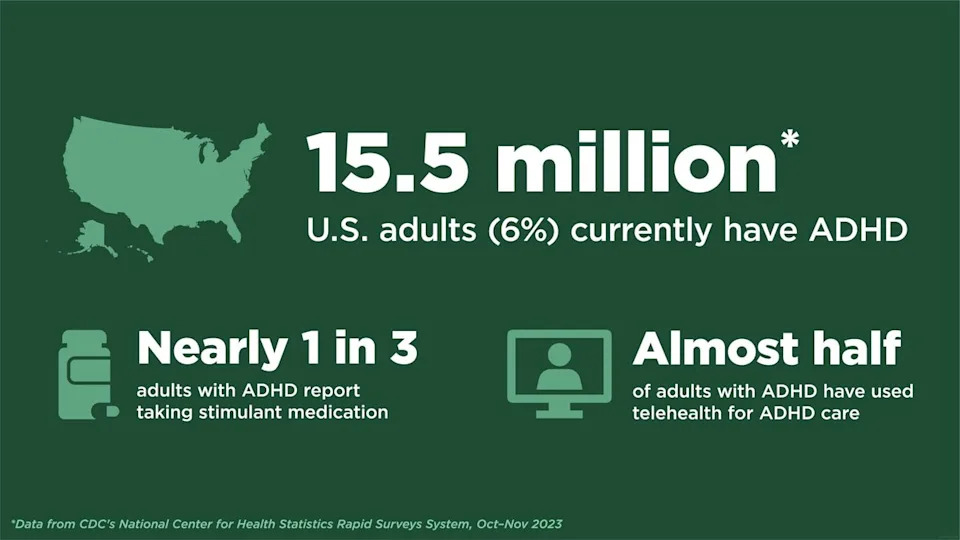
(CDC)
Human Data and Safety Context
To complement the preclinical work, the researchers analysed observational data from the UK Biobank. Using genetic risk scores for ADHD, they examined people already prescribed amlodipine for hypertension. Although this observational analysis cannot establish causation, it found that amlodipine users were less likely to report mood swings and risk-taking behaviours—traits associated with ADHD—providing an additional, indirect signal that merits further investigation.
One advantage of investigating amlodipine is that it is already widely used and well characterized. In the United States, tens of millions of people take amlodipine for high blood pressure, so clinicians and researchers have substantial experience with its safety profile. Known adverse effects include fatigue, nausea and gum irritation or overgrowth. By contrast, commonly prescribed stimulant ADHD medications can carry side effects such as increased blood pressure, appetite suppression, insomnia and a potential for misuse.
Limitations and Next Steps
The authors emphasise that animal-model success does not guarantee clinical efficacy in humans. Animal behaviours do not perfectly mirror human ADHD, and the UK Biobank analysis is observational and prone to confounding. The clear next step is rigorous, controlled human clinical trials to test whether amlodipine can safely and effectively reduce ADHD symptoms in people.
"Repurposing amlodipine, a well-established blood pressure medication, offers a promising and swift pathway to address ADHD symptoms," said neuroscientist Matthew Parker of the University of Surrey. "Because of its existing approval and safety profile, amlodipine could be rapidly redeployed as a treatment option for ADHD, potentially providing relief to patients sooner than developing new medications."
Overall, the study identifies amlodipine as a candidate for repurposing, but it underscores the need for human clinical trials before any change to clinical practice is warranted.
Help us improve.