Researchers at King’s College London found that urolithin A — a gut‑microbe metabolite of pomegranate compounds — activates the cardiac protein PKGIα and markedly improves heart relaxation. In male mouse models of HFpEF the compound improved cardiac function by up to 80% and reduced scarring; engineered human heart tissue also contracted and relaxed faster. The findings are promising but preclinical — randomized human trials are needed to confirm clinical benefit.
Pomegranate Metabolite Urolithin A Restores Heart Relaxation and Boosts Function Up to 80% in Mouse HFpEF Models

(Anna Blazhuk/Moment RF/Getty Images)
Scientists at King’s College London report that urolithin A — a compound generated when gut bacteria metabolize pomegranate compounds — activates a cardiac protein and substantially improves heart relaxation in preclinical models. The study, published in Science Advances and funded by the British Heart Foundation, found improvements in cardiac function of up to 80% in male mouse models of heart failure with preserved ejection fraction (HFpEF).
Key Findings
Urolithin A Improved Cardiac Relaxation and Function: In mice with stiff, failing hearts, treatment with urolithin A reduced cardiac scarring (fibrosis) and improved the heart’s ability to relax between beats, which reduced internal heart pressure and other downstream harms.
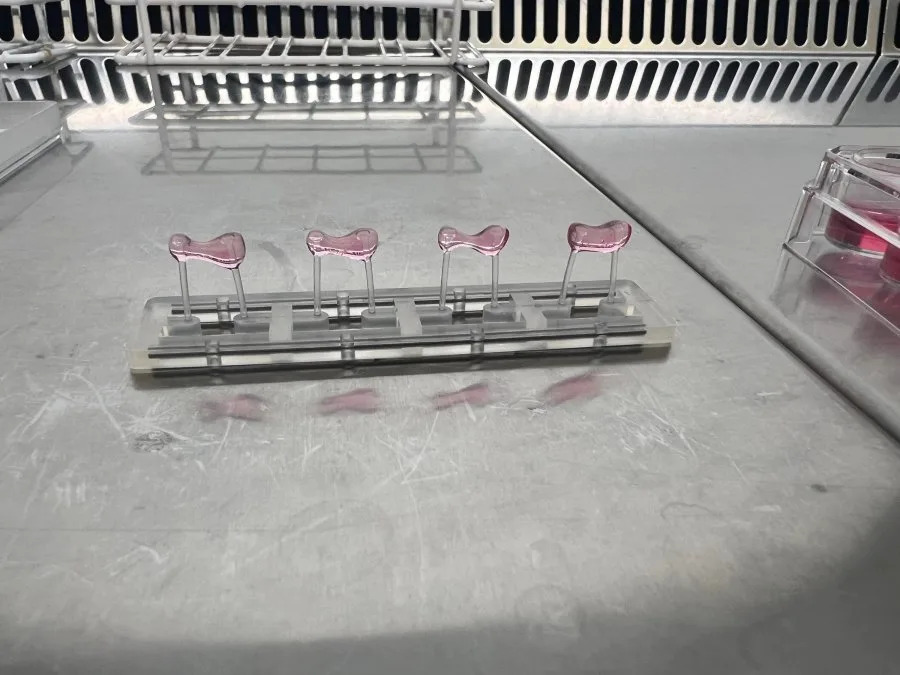
Engineered heart tissues. (King's College London)
Activation of PKGIα: Laboratory experiments indicate the metabolite works in part by activating the protein PKGIα, a regulator known to help lower blood pressure and support myocardial relaxation after contraction.
Human Engineered Tissue Responded Positively: When applied to engineered human heart tissue derived from stem cells, urolithin A sped up both contraction and relaxation, consistent with the mouse findings.
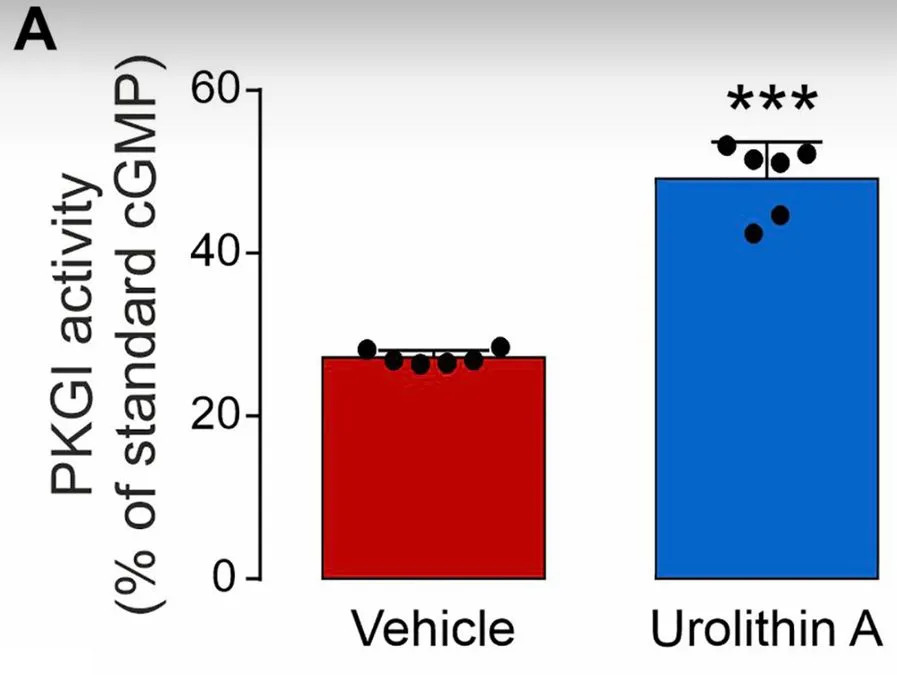
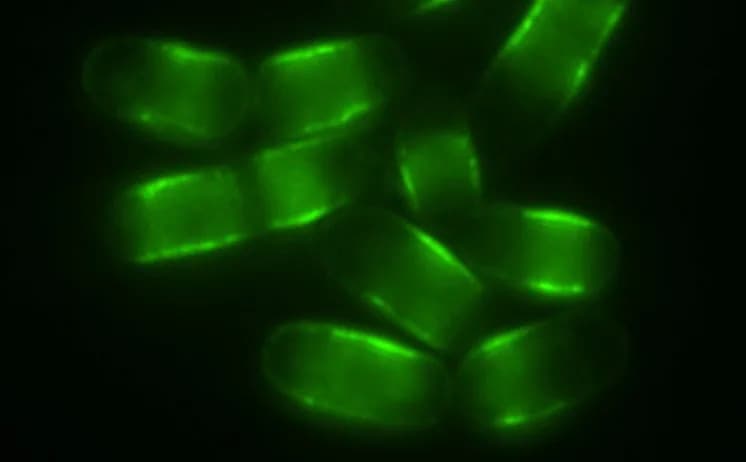
Urolithin A boosted PKGIα activity in lab tests. (Su et al.,Science Advances, 2026)
Why This Matters
HFpEF is a common, hard‑to‑treat form of heart failure in which the heart pumps normally but is too stiff to fill properly. Most existing heart‑failure therapies target weak pumping, not impaired relaxation. These preclinical results identify a potential new therapeutic target and pathway for improving relaxation in HFpEF.
Important Caveats and Next Steps
These results are preclinical. The study used only male mice, while HFpEF is more prevalent in women, and sex differences in cardiac responses to stress have been observed in animal models. Human clinical trials — ideally randomized, controlled, and including diverse participants of both sexes — are required to determine safety, effective dosing, and whether benefits translate to patients.
Notably, not everyone produces urolithin A after eating pomegranate; production depends on an individual’s gut microbiome. That means dietary intake may not reliably raise urolithin A levels for all people without standardized supplementation or microbiome‑targeted approaches.
Bottom line: Urolithin A shows promising, mechanism‑based effects on heart relaxation in animals and engineered human tissue, but clinical trials are needed before it can be recommended as a treatment for HFpEF.
Source: Su et al., Science Advances (2026); funded by the British Heart Foundation. Reporting by King’s College London.
Help us improve.