Ukrainian intelligence says Russia has accelerated deployment of the Rassvet satellite constellation, reportedly placing 16 satellites in orbit by March 2026 with plans for hundreds more. While the system currently offers intermittent coverage, a completed Rassvet could provide persistent satellite links to coordinate drone strikes and degrade Ukraine's connectivity advantage. The claims remain unverified, and neutralizing a mature constellation would raise serious strategic and legal escalation risks by extending the conflict into space.
Rassvet Surge: Russia's Rapid Satellite Build-Out Could Shift Drone Warfare And Push The Conflict Into Space

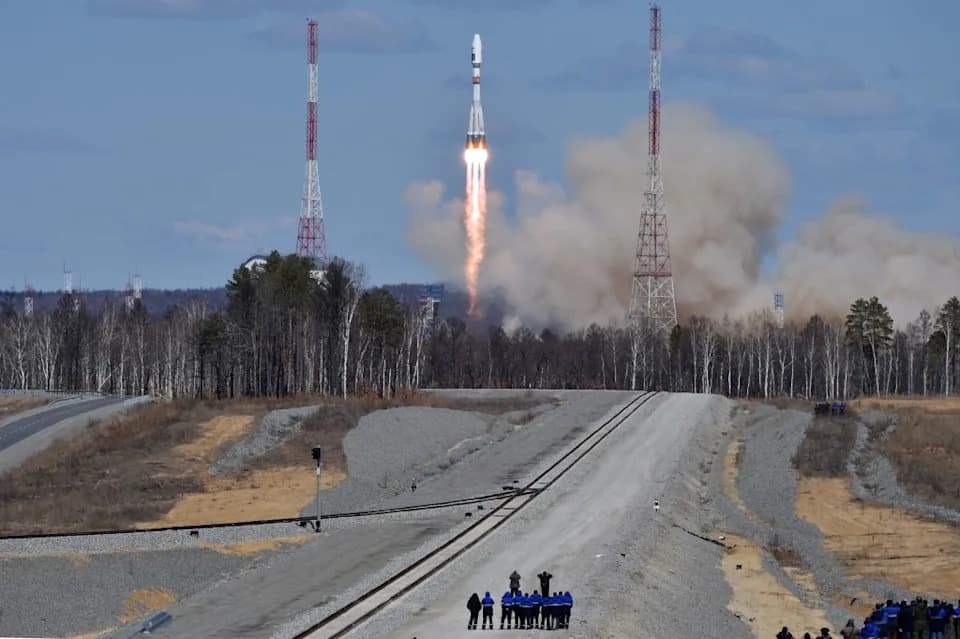
Credit: Getty Images
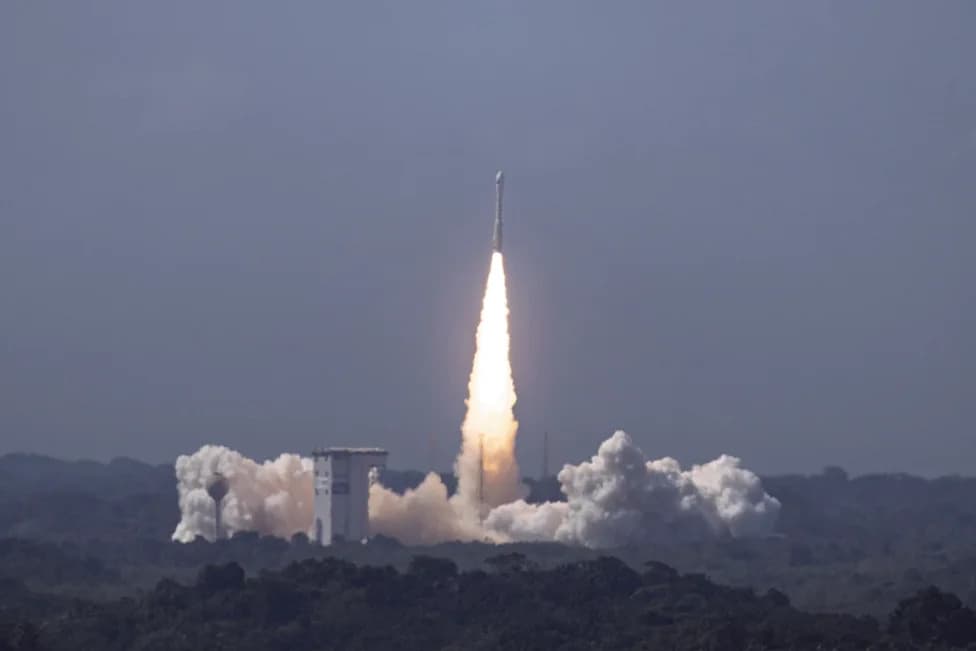
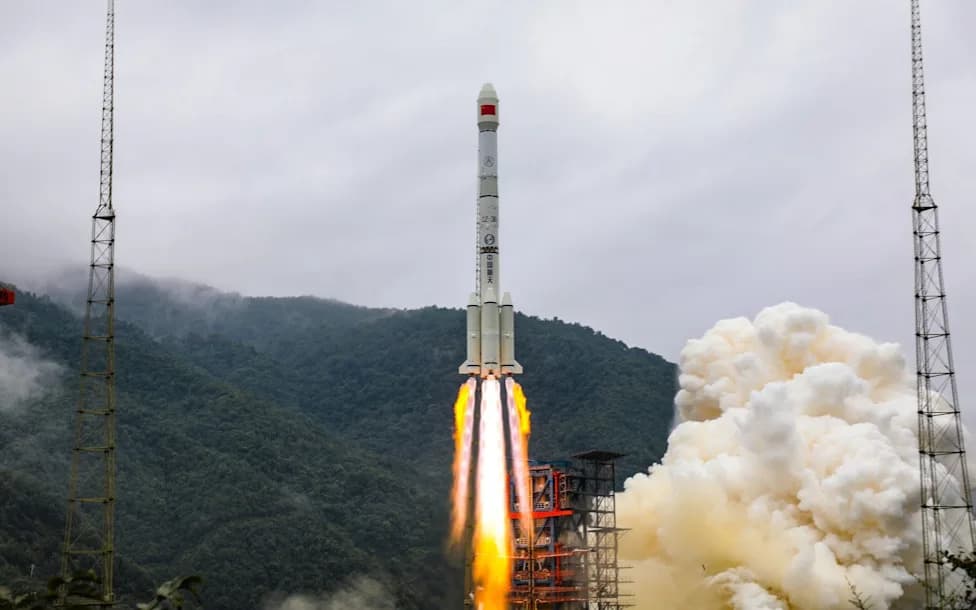
Russia is accelerating deployment of the Rassvet satellite constellation, a program that Ukrainian intelligence and outside experts warn could remove Kyiv's current connectivity advantage for drone operations and complicate the battlefield calculus by extending hostilities into orbit.
Key claims: Ukrainian officials say 16 Rassvet satellites were in low Earth orbit by March 2026, with plans for an additional 292 by 2027 and a total constellation of 924 satellites by 2035. These figures have not been independently verified and Russian authorities have not publicly confirmed them.
What Is Rassvet and Why It Matters
Rassvet is reported to be a domestic Russian satellite constellation intended to provide near-real-time, persistent communications similar to the commercial Starlink network that has supported Ukrainian forces. At present, Ukrainian intelligence says Rassvet offers intermittent coverage—usable only when individual satellites pass overhead—so it functions more as a proof of concept than a full operational rival to Starlink.

Google logo on a black background next to text reading 'Click to follow TechRadar'
Potential Impact On Drone Warfare
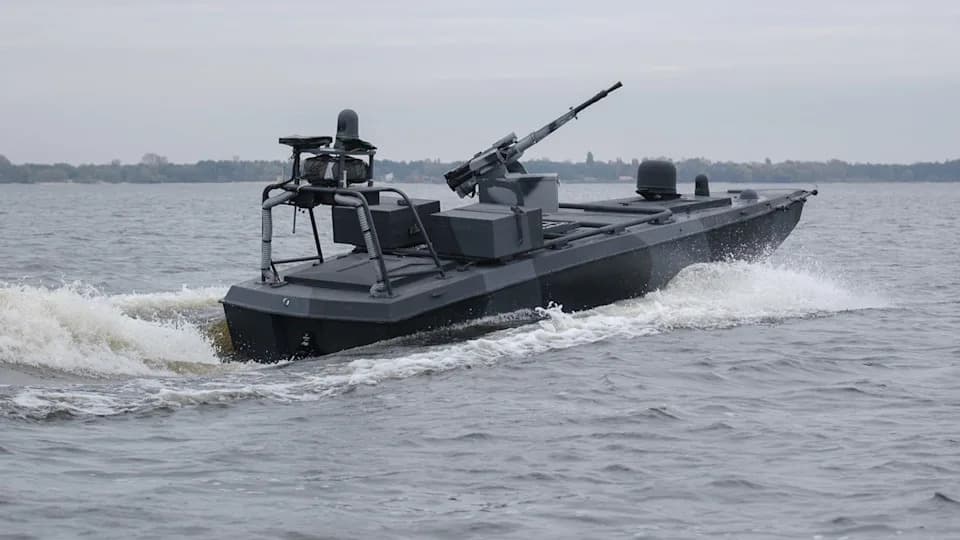
Persistent satellite links enable operators to pilot drones in real time across contested terrain and share targeting data instantly. A completed Rassvet constellation could give Russian forces a comparable capability, allowing for more coordinated strikes and reducing reliance on vulnerable ground-based communications. That shift could erase a key technological edge that has supported Ukraine's remote operations for several years.
Why This Raises Strategic and Legal Questions
Conventional electronic warfare techniques that jam ground signals are far less effective against orbiting satellites. Neutralizing an operational satellite network would likely require direct action against spacecraft—kinetic strikes, cyberattacks, or other measures—that would extend the conflict into space. Such steps carry significant strategic, legal and escalation risks and would mark a potentially historic widening of the conflict's domain.
Related Military Upgrades
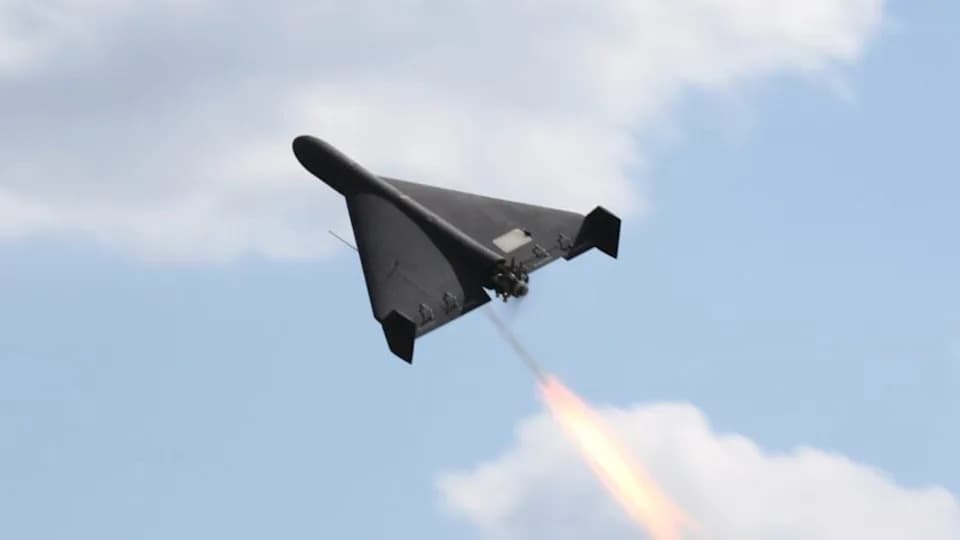
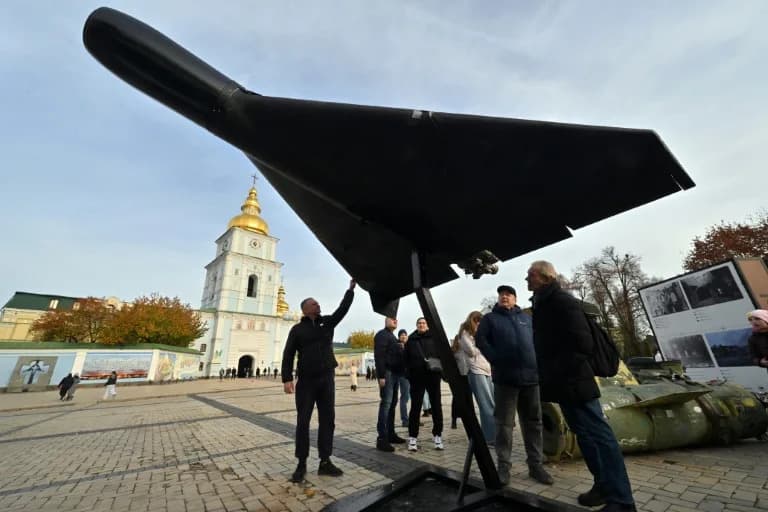
Ukraine's reporting links Rassvet's expansion to concurrent Russian upgrades in unmanned systems: turbojet-powered Geran-4 and Geran-5 attack drones (reportedly accounting for about half of one recent strike), a planned production surge of strike drones (11,000 units cited for August 2026 by Russian statements), and the adoption of mesh networking for coordinated swarms. Those advances would depend heavily on reliable, persistent satellite connectivity.
Uncertainties And Next Steps
There is currently no independent verification of the precise satellite numbers cited by Ukrainian intelligence, and the Kremlin has not publicly commented. Ukrainian defense officials say they are reviewing counteroptions, but have provided no operational details. How Kyiv — or international actors — might respond remains an open and sensitive question.
Sources: Ukrainian Defense Intelligence statements; Defence Industry Europe reporting. Image credit: Getty Images.
Help us improve.