Ukraine has urged the United States to sanction Russian entities it accuses of aiding the Rassvet satellite network, which Kyiv views as a domestic rival to SpaceX's Starlink. Deputy embassy chief Denys Sienik warned that Rassvet could enable real‑time targeting of Ukrainian sites if it begins operations in 2027 or earlier. Kyiv plans its own national sanctions if international measures are not widened and is pushing for expanded Starlink access to help locate Russian missile launchers amid air‑defence shortages. Sienik also criticised what he described as a muted US public response after Russian strikes hit American firms in Ukraine.
Ukraine Urges US To Sanction Firms Behind Russia's 'Rassvet' Satellite Network, Warns Of Real‑Time Targeting Risk

FILE PHOTO: Plastic letters arranged to read "Sanctions" are placed in front of Ukraine's and Russia's flag colors in this illustration taken February 25, 2022. REUTERS/Dado Ruvic/Illustration/ File Photo
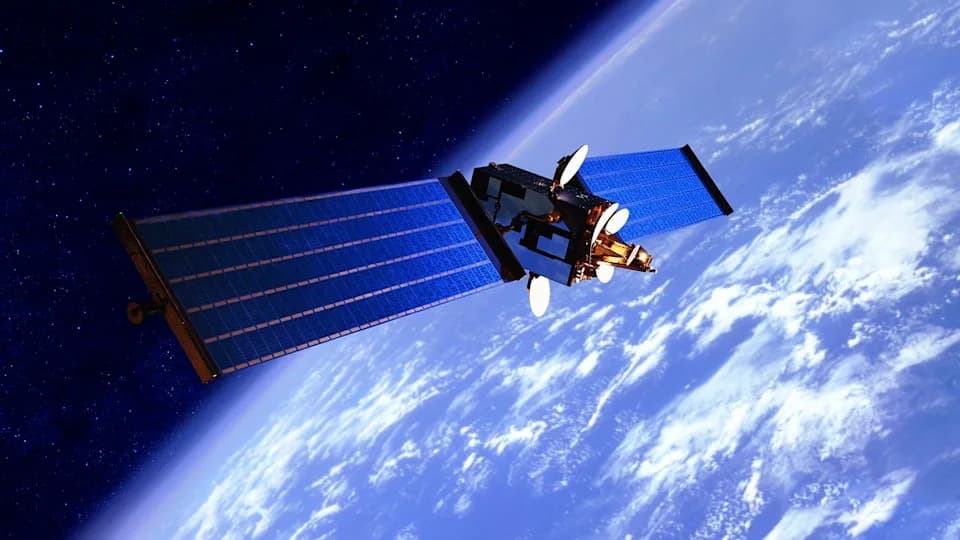
WASHINGTON, Sept 30 (Reuters) - Ukraine has pressed the United States to impose sanctions on a number of Russian companies and individuals it accuses of helping develop Moscow's Rassvet satellite network, a domestic alternative to SpaceX's Starlink. Denys Sienik, deputy chief of mission at the Ukrainian embassy in Washington, told reporters that the Kremlin's stated goal to begin operations in 2027 — and the possibility of an earlier launch — could pose a serious new threat to Ukraine.
"If they launch Rassvet by the end of 2026, they will be able to target to hit Ukrainian targets real time on our territory," Sienik said, adding that he would share the names of firms and individuals Kyiv accuses of aiding the program with the US government and Congress.
Kyiv says it will also impose national sanctions on entities linked to Rassvet if international measures are not adopted. "If these entities are not sanctioned, it will actually make this program possible for Russia and that will be a game-changer," Sienik warned.
Russia's developer Iks Holding launched the first 16 low-earth-orbit Rassvet satellites in March and has said it aims to deploy roughly 900 satellites over several years. By contrast, SpaceX's Starlink has more than 10,000 satellites in orbit. Starlink service is banned in Russia, and use of its equipment there is subject to fines.
Western governments have targeted parts of the infrastructure supporting Russia's space-based communications, but Kyiv says gaps remain and has been urging Washington to widen sanctions to cover a broader set of companies and individuals involved in the program.
Ukraine has also pushed for expanded Starlink coverage to improve its ability to locate and strike Russian ballistic missile launchers inside Russia — a proposal publicly backed last week by Finnish President Alexander Stubb. Ukrainian officials say such capability would help address critical shortfalls in air-defence systems ahead of winter.
Sienik voiced frustration at what he described as muted US public messaging after Russian strikes hit American companies in Ukraine. He noted that US officials complained loudly when Ukraine struck US assets in the Caspian Sea, which led to closer cooperation, but said Washington has been less vocal when US firms in Ukraine were targeted.
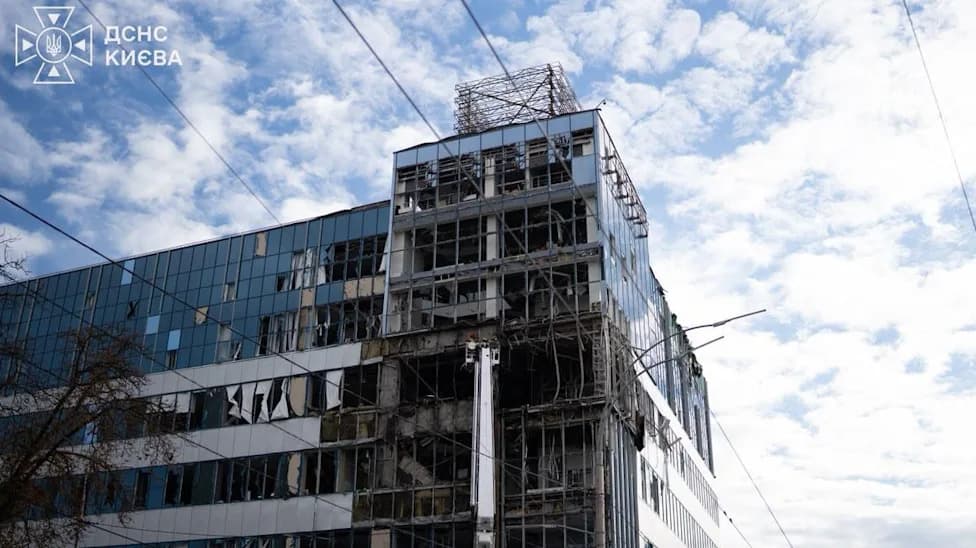
Last week Sienik published a list of US companies hit by Russian missiles, naming offices of Boeing, Flex and Bunge, and citing a Coca-Cola facility in the Kyiv region and a logistics site serving McDonald's among the strikes. "It is not a coincidence, Russia knows what it is doing by attacking regular businesses operating in Ukraine, supported by American investment and serving civilian needs," he wrote on X.
Ukraine's ask: strong, expanded sanctions to deny Russia a space-based communications edge and more support to bolster Ukrainian air defenses to protect civilians and international businesses operating in Ukraine.
(Reporting by Andrea Shalal)
Help us improve.