Key Takeaway: From Oct 1, 2026, Russia will block flight-plan submissions for civilian drones over 250 g that are not connected to ERA‑GLONASS. The platform, originally an emergency telematics system, now aggregates drone telemetry from cellular, satellite, hybrid trackers and ADS‑B and claims it can monitor up to one million devices. Official registration remains limited compared with domestic production, and government claims about a systemwide “kill switch” conflict with decree language describing a one‑way data feed. The mandate reflects growing security concerns amid ongoing Russia–Ukraine drone attacks.
Russia to Require ERA‑GLONASS for Civilian Drones From Oct 1, 2026 — State System Claims 1 Million‑Device Tracking Capacity
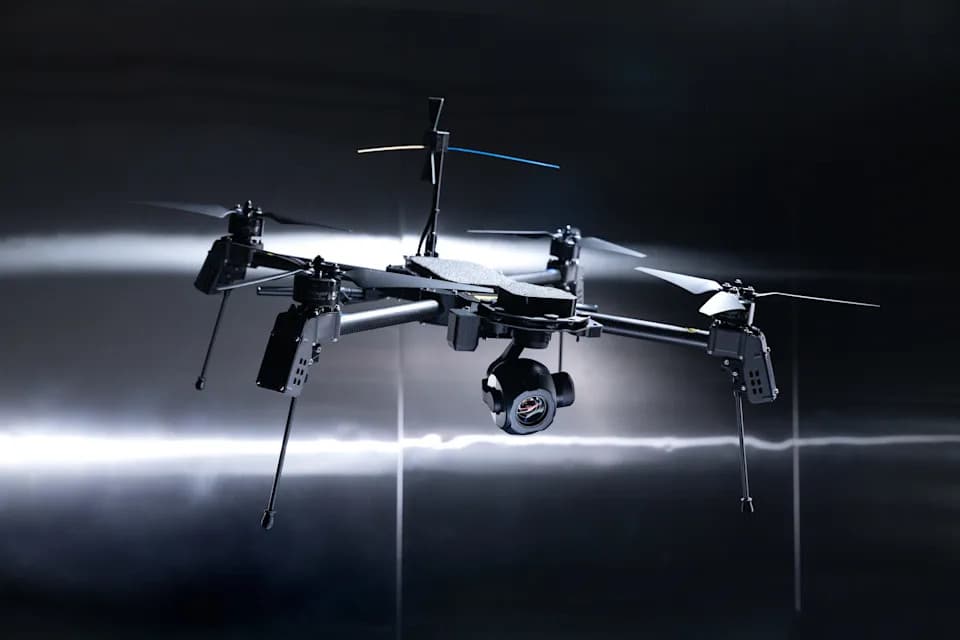
Credit: Rosoboronexport
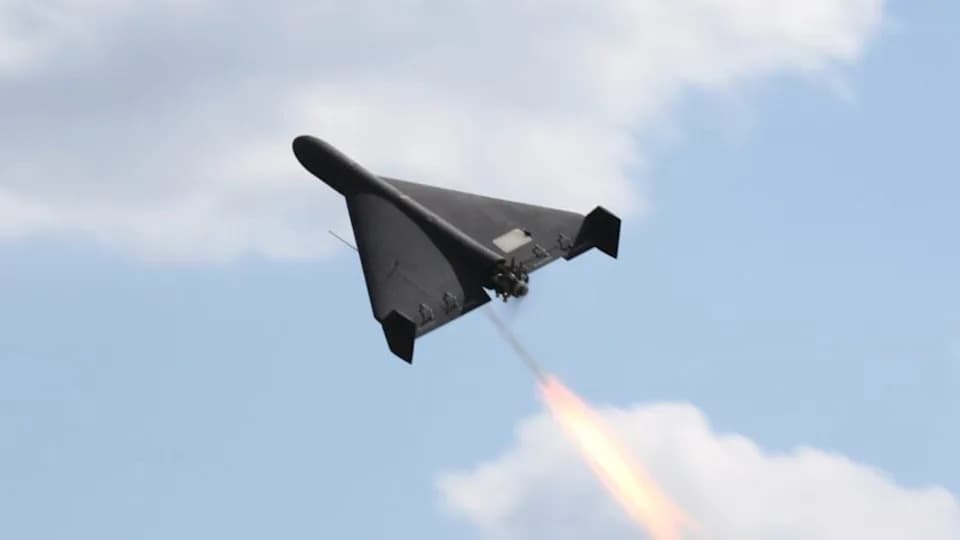
From October 1, 2026, Russia will refuse to accept flight-plan submissions for civilian drones weighing more than 250 grams unless they are connected to the state telematics platform ERA‑GLONASS, the Ministry of Transport has announced. The move extends a recent emphasis on remote identification and centralised monitoring of unmanned aerial systems (UAS).
What Changes
The Ministry of Transport said connection to ERA‑GLONASS will become a prerequisite for filing flight plans with the State Air Traffic Management Corporation. The requirement applies to civilian drones over 250 grams and builds on a February 2026 decree that made remote‑ID hardware mandatory from March 1, 2026.
How ERA‑GLONASS Works
ERA‑GLONASS was originally developed as an emergency telematics and eCall‑style service to dispatch ambulances to crashes. It has since been adapted to collect and store drone telemetry, accepting feeds from cellular, satellite and hybrid trackers, as well as ADS‑B. The system relays position, altitude, route, identification indexes and aircraft category to authorized supervisory agencies.
Adoption and Capability Claims
Official figures indicate limited early adoption: after seven months, 1,027 users (752 organizations and 278 individuals, including 50 professional operators) and 1,205 drones were registered in the system. By contrast, Deputy Industry Minister Vasily Shpak said Russia produced 16,398 civilian drones in 2024 alone, implying a substantial gap between drones in circulation and those on the registry.
JSC GLONASS CEO Alexey Raikevich told TASS in January that ERA‑GLONASS is “capable of monitoring up to one million civilian unmanned vehicles on land, water and in the air.”
‘Kill Switch’ Claims vs. Decree Language
Government officials have made assertive statements about control capabilities — Transport Minister Andrey Nikitin said the system could “forcibly stop a drone’s movement if necessary,” and Raikevich suggested supervisors could “press a button and land all the drones in a given area.”
These claims contrast with the text of the government decree, which describes a one‑way telemetry feed from drones to monitoring services rather than a two‑way command‑and‑control link that would enable a universal remote shutdown.
Security Context and Uncertainties
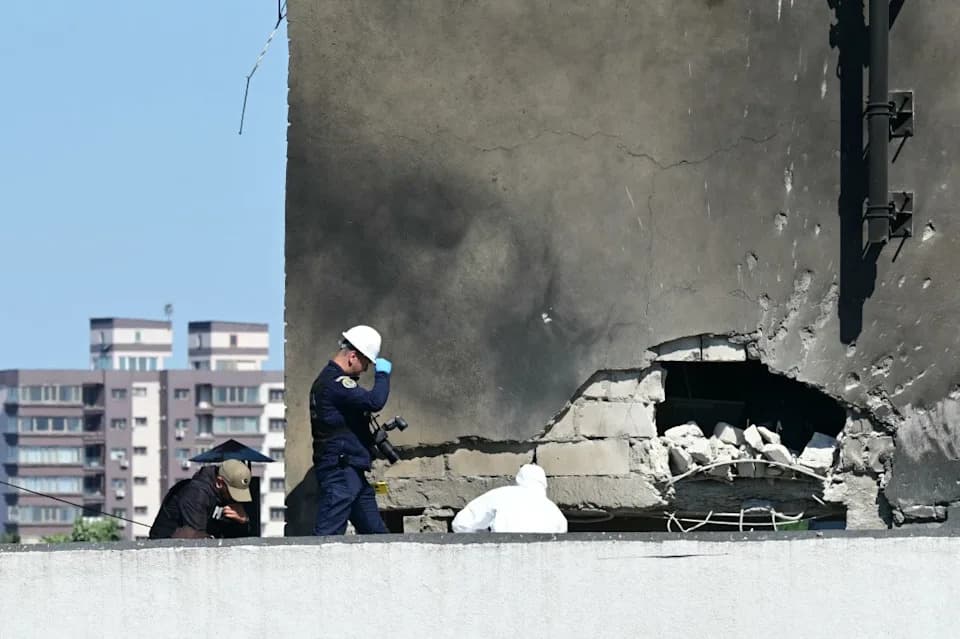
The change comes amid Russia’s prolonged conflict with Ukraine, which has featured frequent drone strikes and incursions. Centralising tracking is clearly motivated in part by security concerns: untracked or hostile drones have damaged civilian and energy infrastructure and inflicted large financial losses.
However, questions remain: whether the million‑device monitoring claim is realistic in practice, how reliably remote identification can be enforced across consumer and imported models, and whether any technical mechanism for remote intervention exists in drones or associated networks.
Practical Impact
For civilian pilots and operators, the rule means they must ensure compliant remote‑ID hardware and ERA‑GLONASS connection before filing flight plans after October 1, 2026. For regulators and security services, the policy centralises telemetry but does not — based on published decree text — prove the existence of a blanket remote shutdown capability.
Bottom line: The ERA‑GLONASS mandate tightens state control and surveillance of civilian drones in Russia and addresses genuine security concerns, but adoption gaps and technical ambiguities — especially around claims of a one‑button “kill switch” — leave important questions unsettled.
Help us improve.