Russia has launched 32 Rassvet satellites, but orbital problems and the fleet's small size undercut plans for a commercial start in 2027. The government has budgeted about 102.8 billion rubles (~$1.3 billion) and set an aggressive launch schedule that would ultimately expand the network toward roughly 900 spacecraft by 2035. Technical failures, limited annual launch capacity, and a large gap versus systems like Starlink mean significant challenges remain before Rassvet can provide continuous broadband or military-grade links.
Rassvet’s Long Road: Why Russia Needs Hundreds More Satellites Before Commercial Service Can Begin
Credit: Getty Images
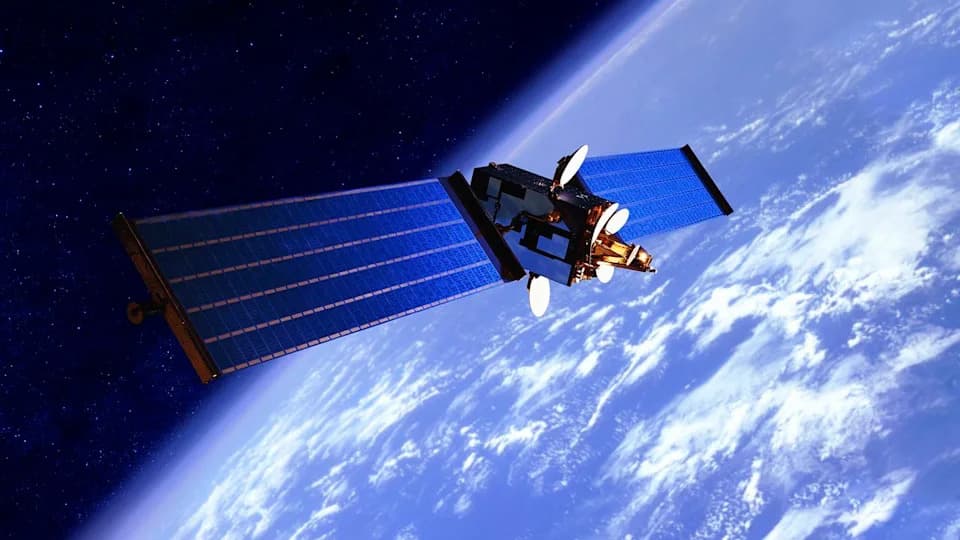
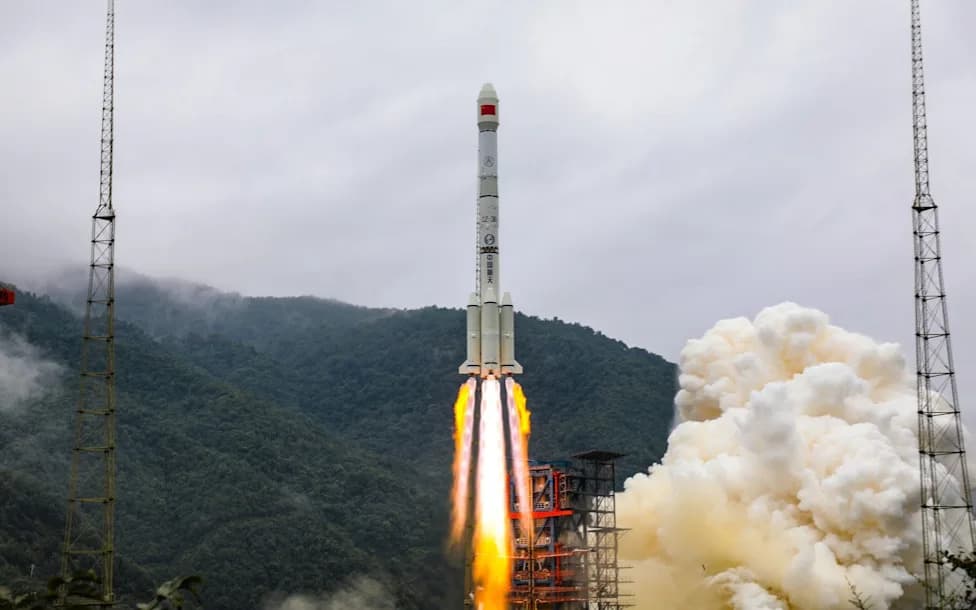
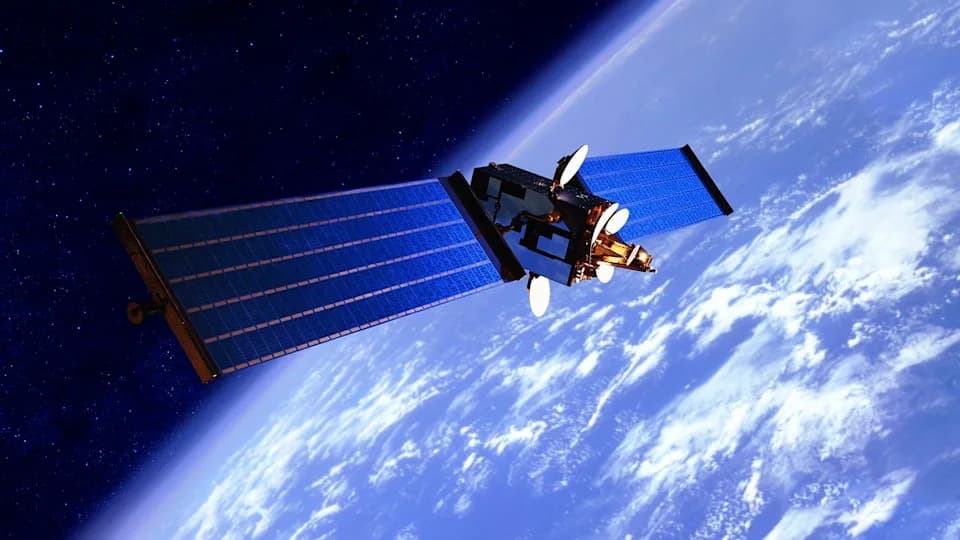
Russia has launched 32 Rassvet communications satellites so far, but the constellation remains far too small to deliver continuous commercial service and has reportedly suffered orbital problems that raise fresh questions about the programme's readiness.
Current Status and Problems
Moscow is attempting to build a domestic satellite broadband network to rival systems like SpaceX's Starlink, but the current Rassvet fleet is a fraction of the size needed for reliable coverage. Ukraine's Defense Intelligence chief, Oleh Ivashchenko, said the existing array "cannot yet deliver reliable communications across the areas Russia intends to serve," adding that "there are not enough of them, and their effectiveness is low." He did not disclose orbital paths, operating frequencies, or specific regions receiving coverage.
Reports also indicate technical difficulties in orbit: some Rassvet satellites reportedly struggled to reach or maintain operating altitude after launch. Defense Express reported on August 25, 2026, that one Rassvet-3 communications satellite was lost and two others faced possible atmospheric reentry. Such failures shrink an already limited fleet and increase pressure on replacement launches.

Google logo on a black background next to text reading 'Click to follow TechRadar'
Ambitious Plans Versus Practical Limits
Moscow has allocated 102.8 billion rubles (about $1.3 billion) to the Rassvet programme and outlined an aggressive multi-year launch schedule: 156 satellites in 2026, 292 in 2027 (the year authorities expect commercial operations to start), 318 by 2028, and a long-term expansion from roughly 250 spacecraft toward about 900 by 2035. Even if these targets hold, the current 32 satellites are only a small step toward that goal.
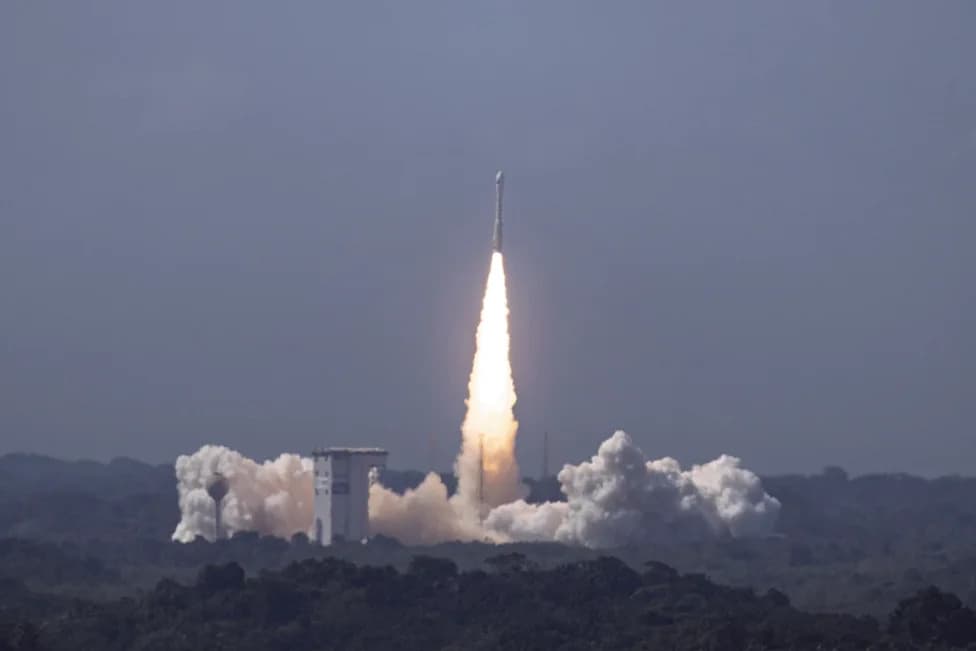
Meeting those deployment targets would require at least 18 Soyuz-2.1b launches, yet Russia currently conducts only about six to eight launches per year. That launch-rate gap — compounded by possible replacement needs after orbital failures — creates a major scheduling and logistics challenge for the programme.
How Rassvet Compares And Who Might Use It
By comparison, Starlink already operates more than 12,000 satellites and continues adding roughly 200 spacecraft per month, giving it far greater capacity to provide continuous coverage. Rassvet’s stated use cases include supporting unmanned aerial vehicles (UAVs) and military units operating beyond the range of conventional radio systems. Interest in such capabilities increased after Ukraine and SpaceX reportedly restricted some unauthorized Starlink terminals used by Russian forces in February 2026.
"We are working on this. Russia's 'Rassvet svg' must turn into a 'zakat svg,'" Ivashchenko said, underscoring Kyiv’s skepticism about the programme's near-term prospects.
Outlook
The Russian government continues to develop Rassvet despite setbacks, but substantial technical fixes, many more successful launches, and sustained funding will be required before the network can deliver the continuous connectivity expected of a commercial service. For now, the programme faces a difficult path to achieving the scale and reliability its backers envision.
Help us improve.