U.S. intelligence suggests Russia may soon attempt limited covert attacks on NATO countries, possibly to test allied cohesion. A drone found near a Ukrainian transport at Leipzig Airport is cited as a recent escalation linked to Russian operations. Experts, including Atlantic Council scholar Peter Dickinson, urge NATO to strengthen deterrence — for example by expanding air-defense coverage into western Ukraine — and accelerate munitions and arms production to close a growing capability gap. Leaders warn that measured but firmer allied responses are needed to prevent shadow provocations from spiraling into a wider conflict.
Intelligence Warns Russia May Test NATO With Covert Strikes — Allies Urged To Fortify Defenses
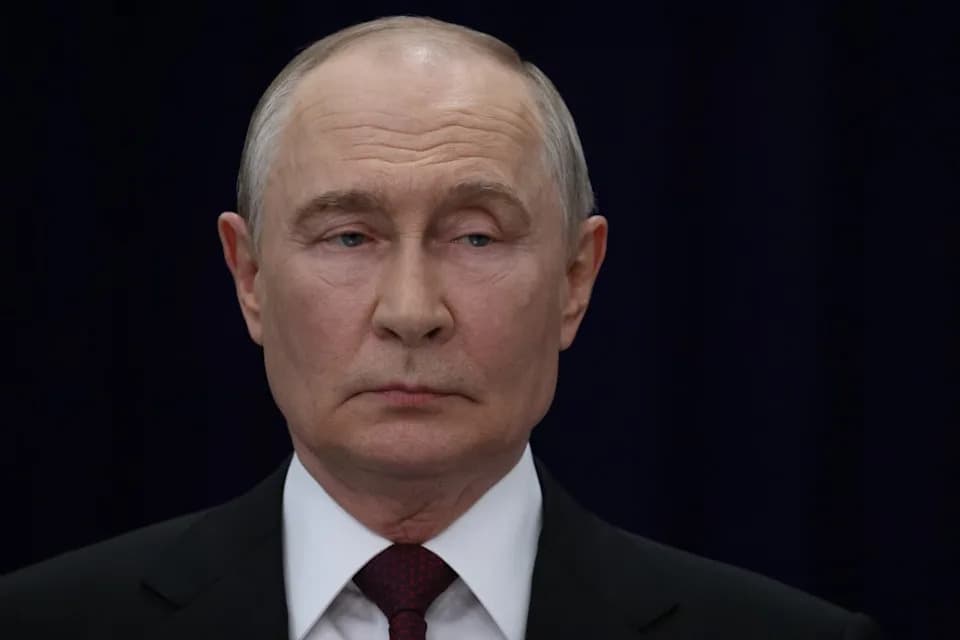
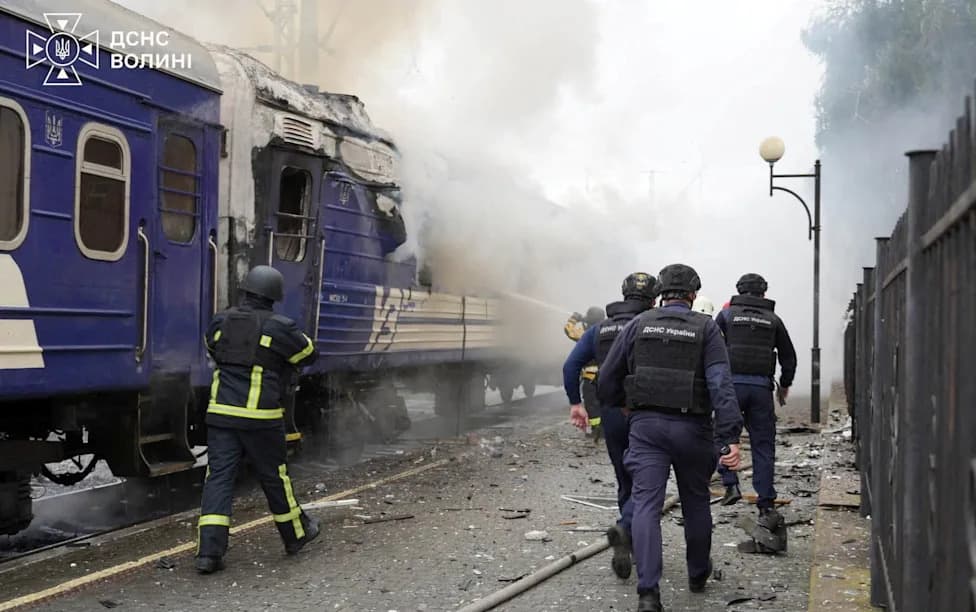
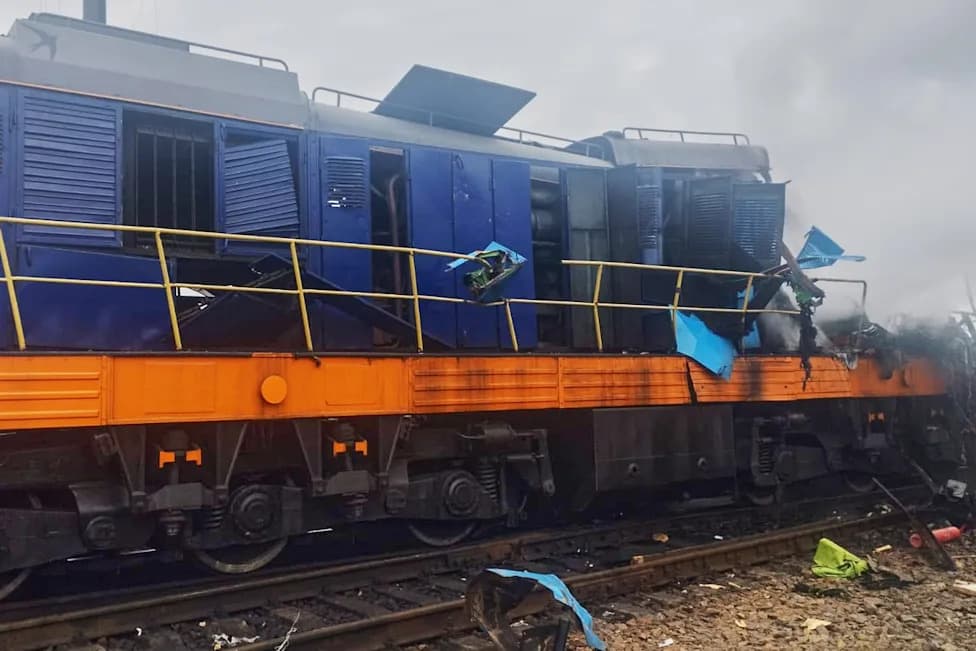
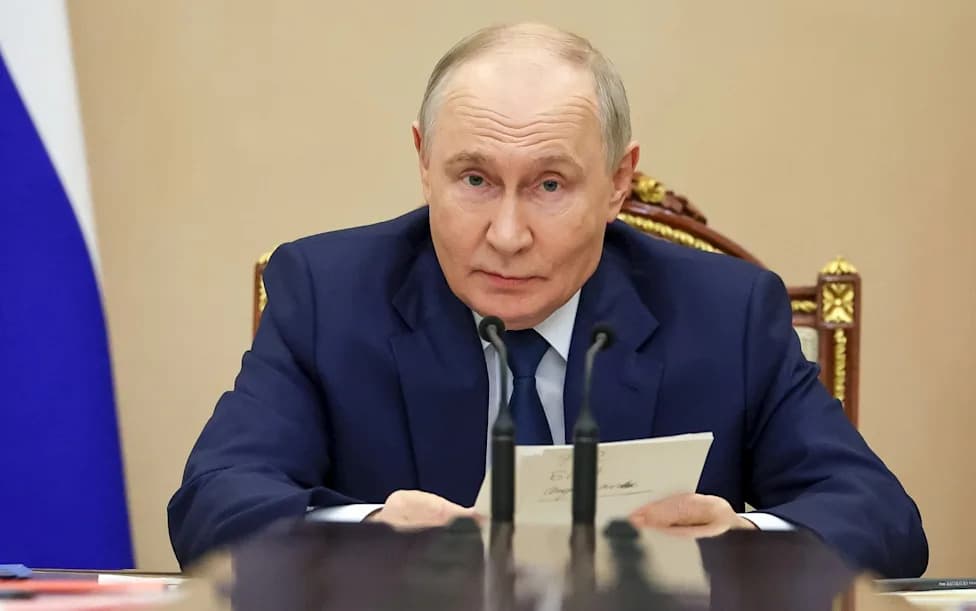
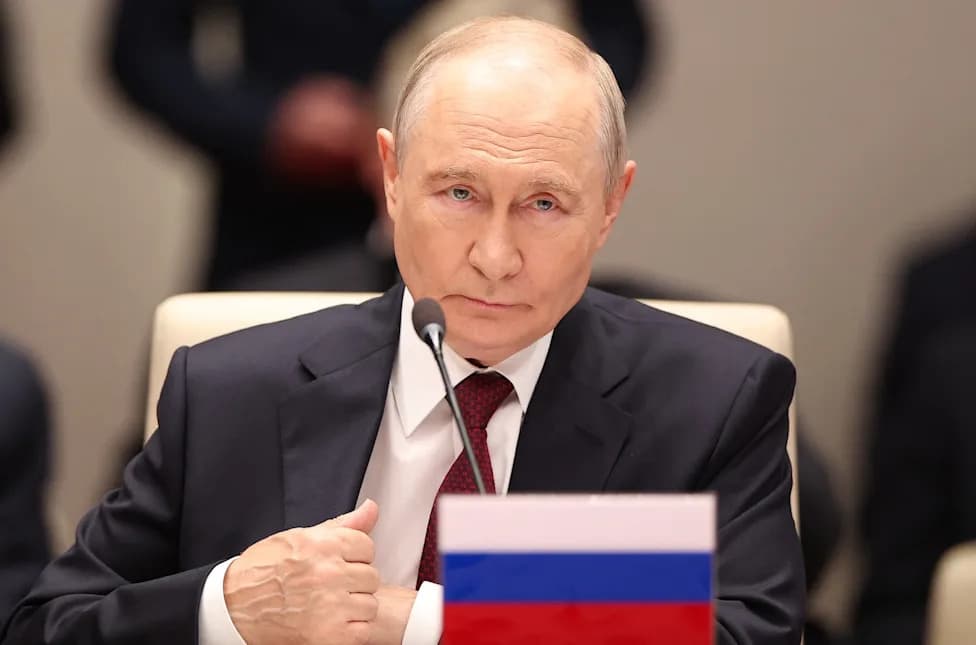
As Russia steps up its missile blitzes on Ukraine, it could also be planning a small-scale shadow war attack on a NATO nation, say U.S. intelligence officers. (Photo by ALEXANDER NEMENOV/AFP via Getty Images)AFP via Getty Images
U.S. intelligence warnings that Russia could attempt limited covert attacks on NATO members have renewed calls for a firmer, more united response from the alliance. Peter Dickinson, a senior scholar at the Atlantic Council who studies Russia’s full-scale invasion of Ukraine and its wider hybrid campaign, told me that Moscow may try small-scale assaults in the coming weeks to probe NATO’s resolve.
According to senior intelligence reports circulating in Washington and other NATO capitals, Dickinson says the Kremlin may be preparing a stepped-up “shadow war” aimed at NATO countries that are providing support to Ukraine. Although NATO retains overwhelming conventional advantages overall, Moscow has repeatedly recorded tactical “wins” by probing allied airspace and infrastructure without provoking a coordinated military response.
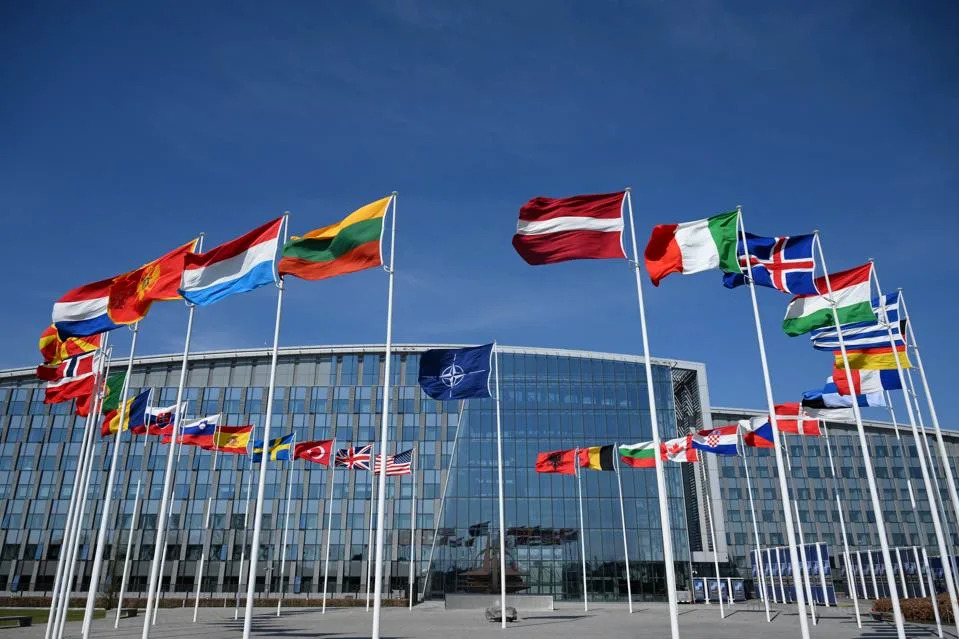
Russia is plotting sporadic attacks on NATO members to stress-test the alliance, and is not yet ready to enter a full-scale war with the 32-nation group. Shown here are the flags of member states outside NATO headquarters in Brussels. (Photo by NICOLAS TUCAT/AFP via Getty Images)
Shadow Operations And Baltic Vulnerabilities
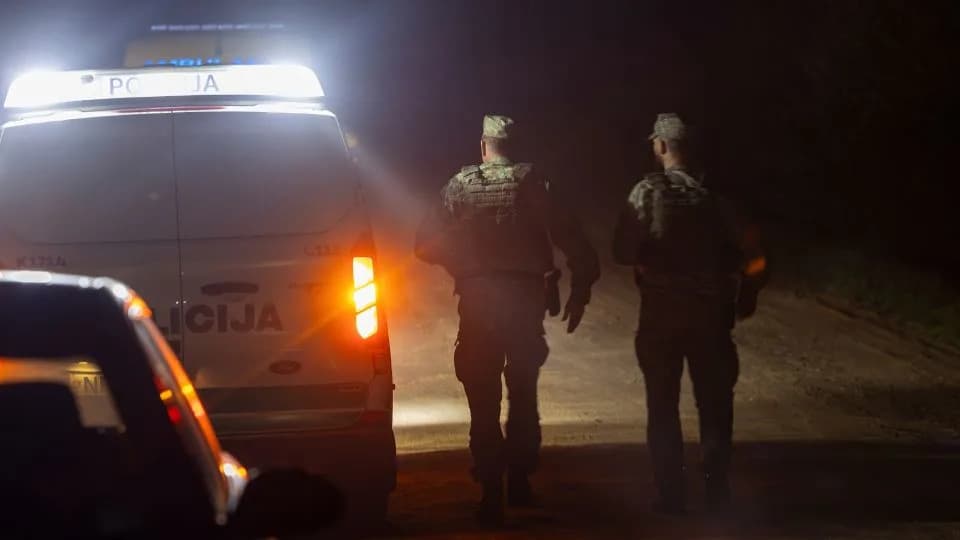
As part of this guerrilla-like approach, Russia could deploy small teams of plainclothes operatives into Estonia, Latvia or Lithuania — the three Baltic states that were once part of the Soviet Union and regained independence after the Cold War. Despite NATO membership, the Baltic countries are widely regarded in Moscow as politically sensitive objectives in any broader attempt to restore elements of the Soviet-era sphere of influence.
Recent Escalation: Explosive Drone In Germany
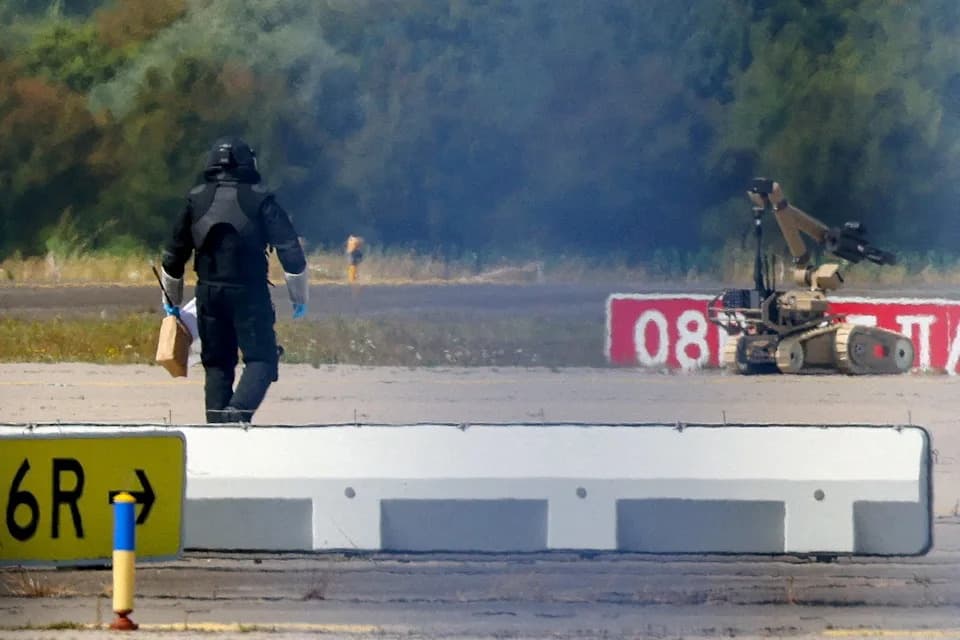
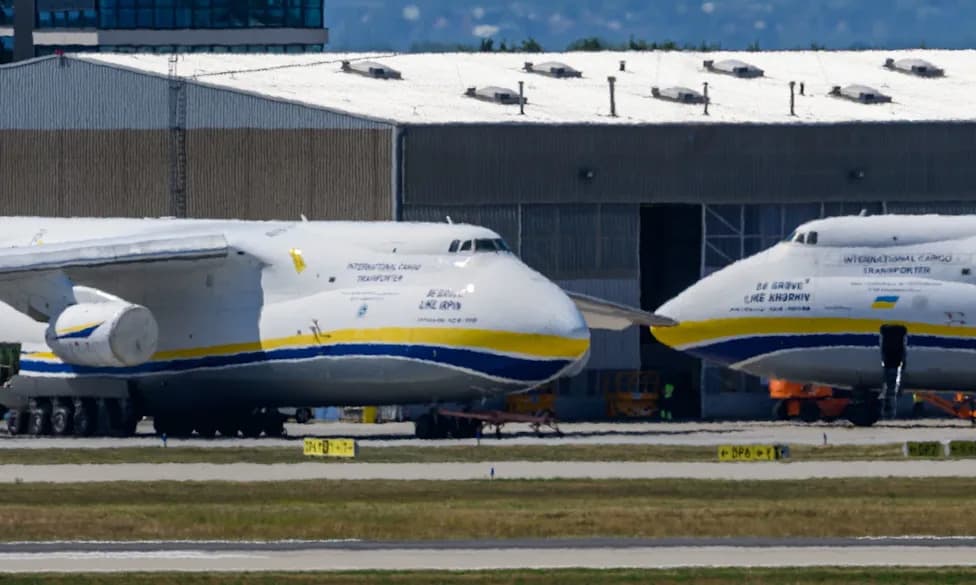
Days ago, security staff at Leipzig Airport in eastern Germany discovered a drone loaded with explosives near a Ukrainian military transport plane. U.S. officials have concluded the device was linked to a Russian operation; an American defense official told media the drone carried military-grade explosives. German Chancellor Friedrich Merz convened an emergency National Security Council meeting to review the incident.
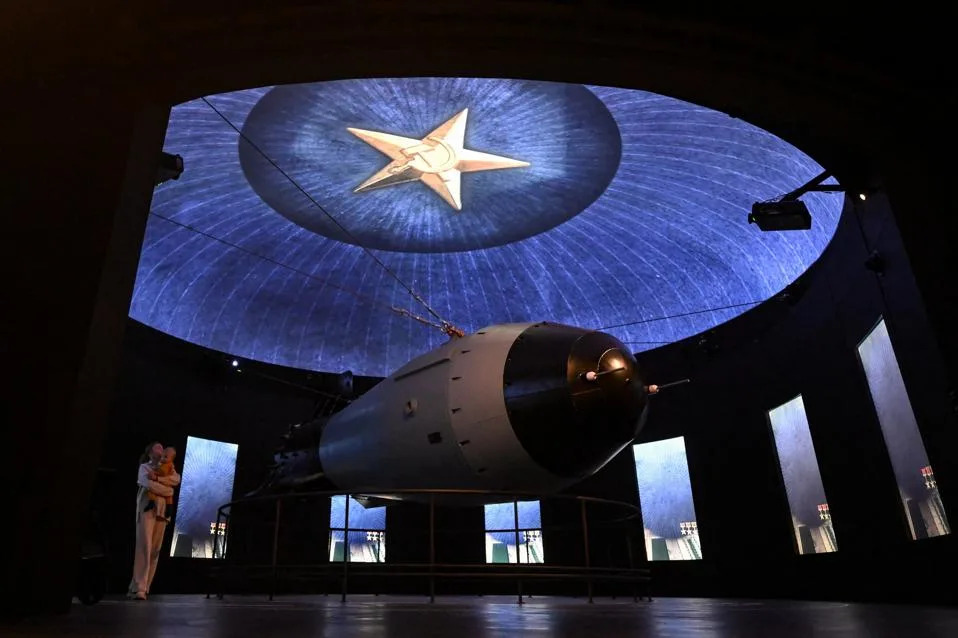
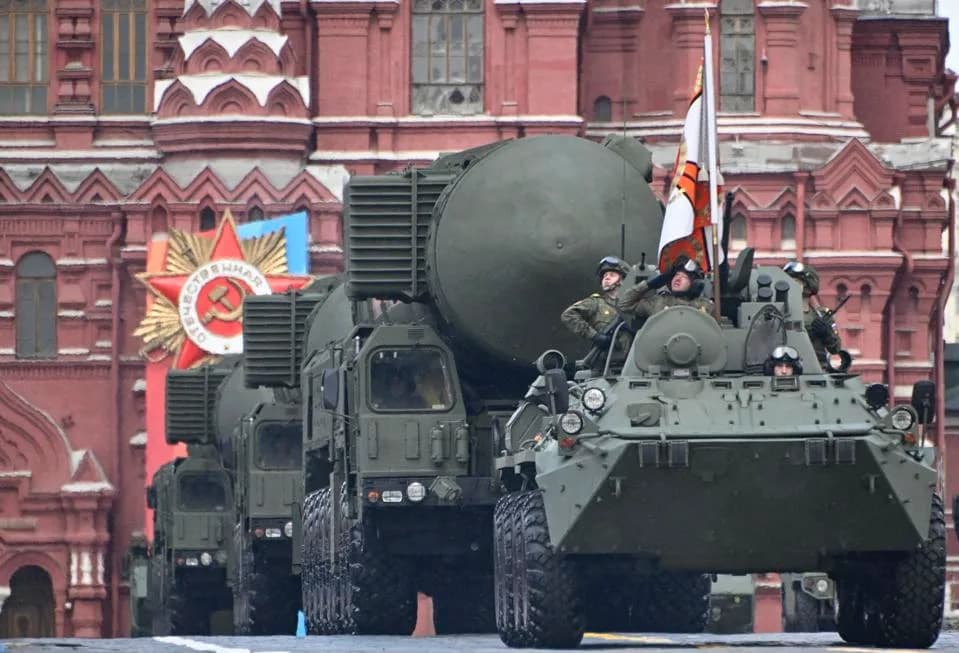
Moscow still retains one remnant of its 21st century superpower status: the world's largest stockpile of nuclear warheads. Shown here is the Soviet Tsar Bomb, the most powerful thermonuclear weapon ever created. (Photo by NATALIA KOLESNIKOVA/AFP via Getty Images)
"This is a significant escalation," Dickinson said, adding that the attack signaled an intent to damage military targets on NATO territory. "Most of Russia's earlier provocations were timed to coincide with mass bombardments of Ukraine, providing plausible deniability. That was not the case here — this appears to have been a direct attempt to strike a NATO-relevant target."
NATO's Dilemma: Deterrence Versus Escalation Risk
So far, incursions by armed drones and occasional penetrations by Russian aircraft into NATO airspace have not produced a unified military response from the 32-member alliance. Dickinson and other analysts argue that this restraint has encouraged Moscow to press its shadow-warfare tactics further as a means to stress-test allied cohesion and political will.
Part of NATO’s caution stems from the nuclear dimension: Russia still fields the world’s largest inventory of nuclear warheads, and repeated Kremlin threats to use strategic weapons have factored into allied risk calculations. That dynamic has made many NATO capitals wary of responses that could escalate into a broader conflict.
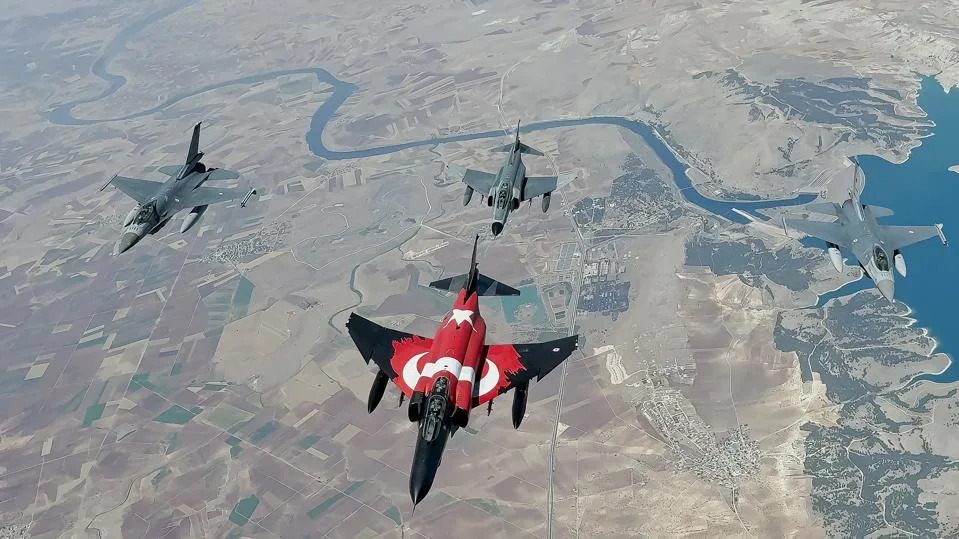
After a long series of Russian jet fighters invading Turkish airspace, the Turkish air force ultimately shot one jet down, after it ignored a cascade of orders to leave its territory. Putin quickly halted the provocative aerial invasions. (Photo by Mustafa Hatipoglu/Anadolu via Getty Images)
That said, Dickinson points to precedent. In 2015, Turkey shot down a Russian fighter that violated its airspace after repeated warnings. The decisive action reduced further incursions into Turkish airspace, demonstrating that robust defensive measures can alter Kremlin behavior without triggering full-scale war.
Options For Deterrence And Support
Experts emphasize that direct military confrontation between NATO and Russia remains unlikely absent a major conventional attack on an ally. Instead, the alliance’s near-term options include intensified sanctions, maritime and logistical restrictions, and stepped-up military assistance to Ukraine.
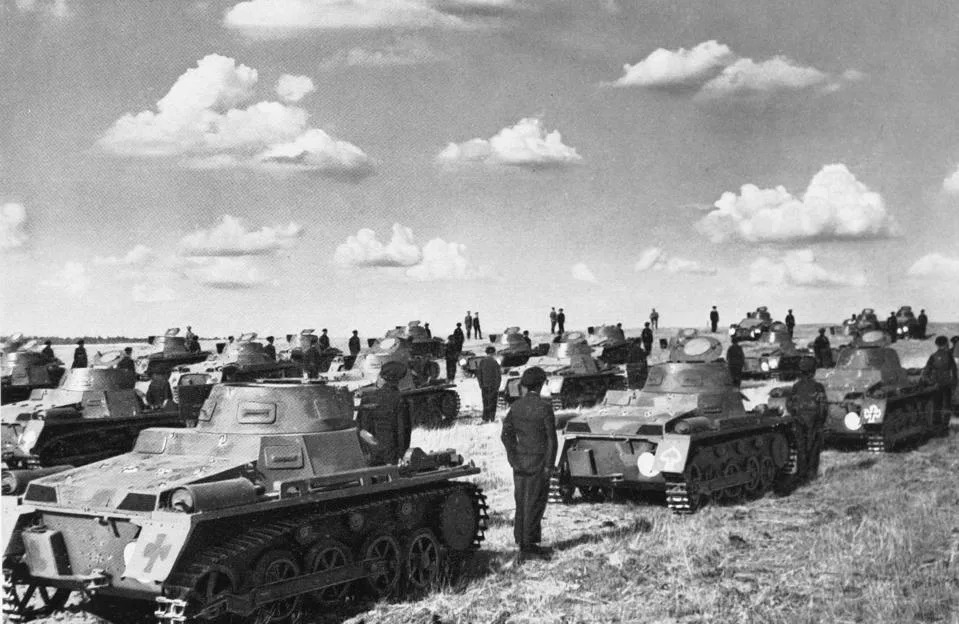
As the UK attempted to appease Hitler in order to avoid war at all costs, the Nazis raced to build up their Luftwaffe fighter aircraft and Panzer tanks to launch World War II. Shown here are tanks produced during Germany's remilitarization in the 1930s. (Photo by: Photo12/Universal Images Group via Getty Images)
Dickinson and other defense analysts also propose bolder defensive steps that could strengthen deterrence while minimizing the risk of direct NATO–Russia clashes. One frequently discussed option is to extend allied air-defense coverage into western Ukraine. Proponents argue this could relieve Ukrainian air defenses to secure other parts of the country and demonstrate NATO resolve — all while keeping direct contact with Russian forces limited, since Russian aircraft rarely penetrate deeply into Ukrainian airspace.
To date, European democracies have supplied Ukraine with enough equipment to prevent collapse, but not enough to guarantee a decisive victory over Kremlin forces, Dickinson says. He warns that prolonged hesitation and limited aid risk creating conditions for a much larger, wider conflict — drawing an analogy to repeated prewar appeasement in the 1930s.
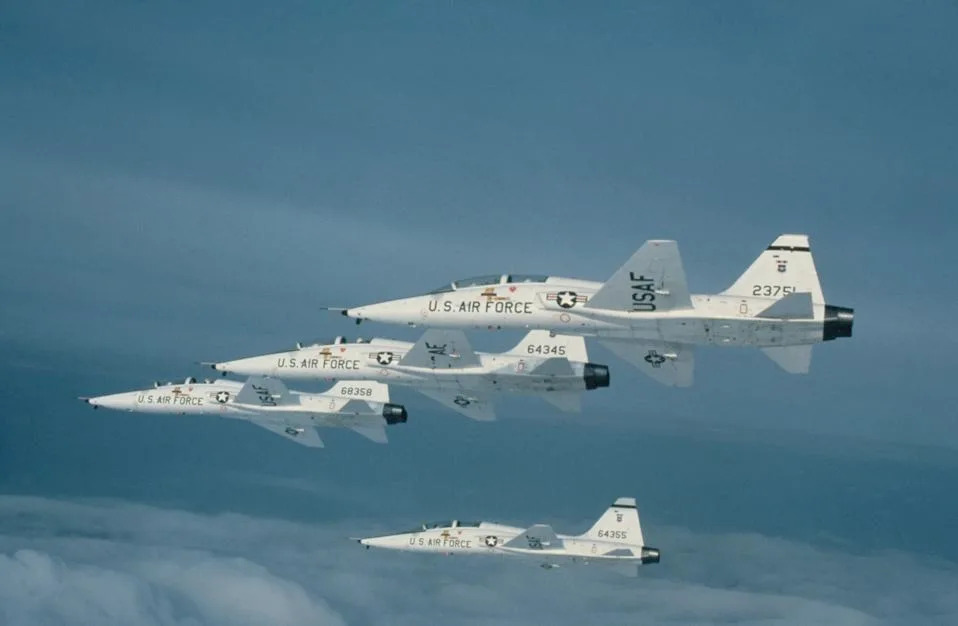
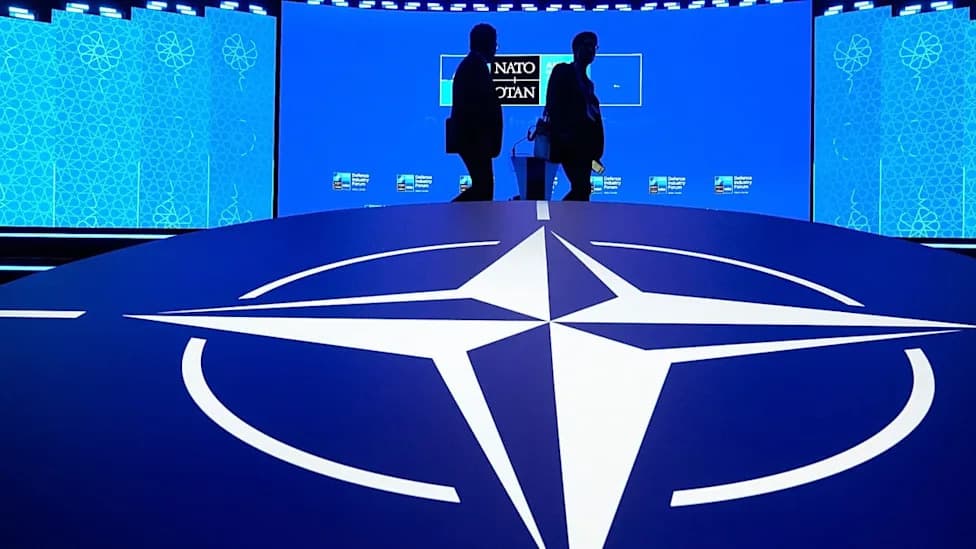
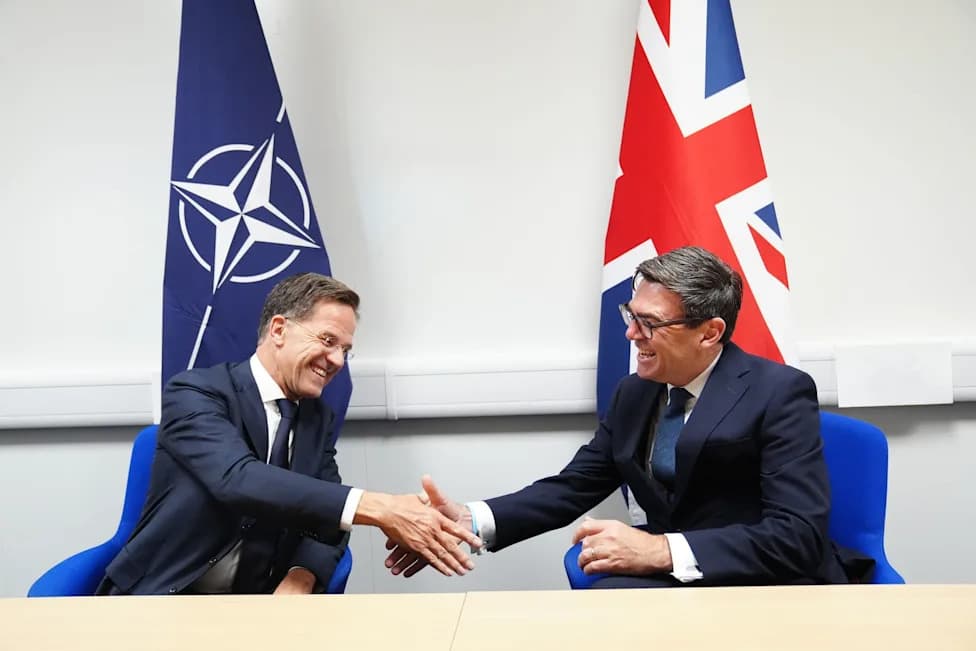
NATO chief Mark Rutte says the Allies need to speedily turn out many more missiles and more tanks, even as they modernize their air forces, in order to prepare for a face-off with a rapidly arming Russia.
Calls For Accelerated Rearmament
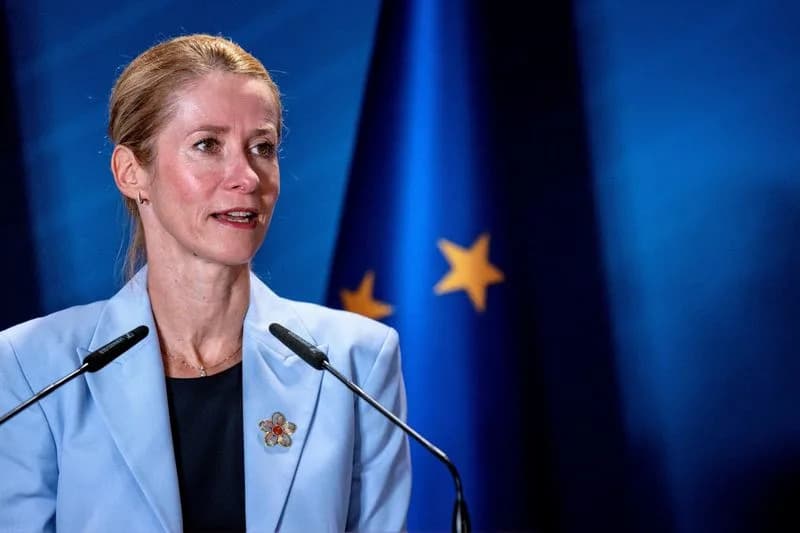
National leaders and defense planners across Europe have warned that Moscow is accelerating weapons production. Dutch Prime Minister Mark Rutte, speaking at an international forum, urged allies to speed up the manufacture of ammunition, missiles, interceptors and armored vehicles to close the production gap he described between NATO and Russia.
"History has taught us that to preserve peace, we must prepare for war," Rutte said, urging urgent modernization of air defenses and greater munitions output. Dickinson concurs: "Russia responds to displays of strength. NATO must find ways to project credible deterrence so that Moscow cannot simply test allied resolve."
Conclusion
The intelligence assessments and recent incidents such as the Leipzig drone episode underline an unstable phase in the conflict that extends beyond Ukraine's borders. NATO faces the challenge of reassuring and defending its members, deterring further covert attacks, and sustaining support to Ukraine — all while managing the risk of broader escalation. Allies will need to balance caution with clearly signaled resolve if they hope to prevent shadow operations from becoming a larger, more dangerous confrontation.
Help us improve.