New York City reading proficiency fell sharply last year, led by a nearly 14-point drop among third graders. Overall proficiency for grades 3–8 fell 6 percentage points to about 50%, while math held steady at 57%. City officials say they will closely analyze the unexpected swings, which diverge from local interim assessments. Testing experts and advocates have called for review or audit of state testing data as stark disparities persist across racial, disability, and English learner groups.
NYC Reading Scores Plummet: Third-Grade Proficiency Falls Nearly 14 Points
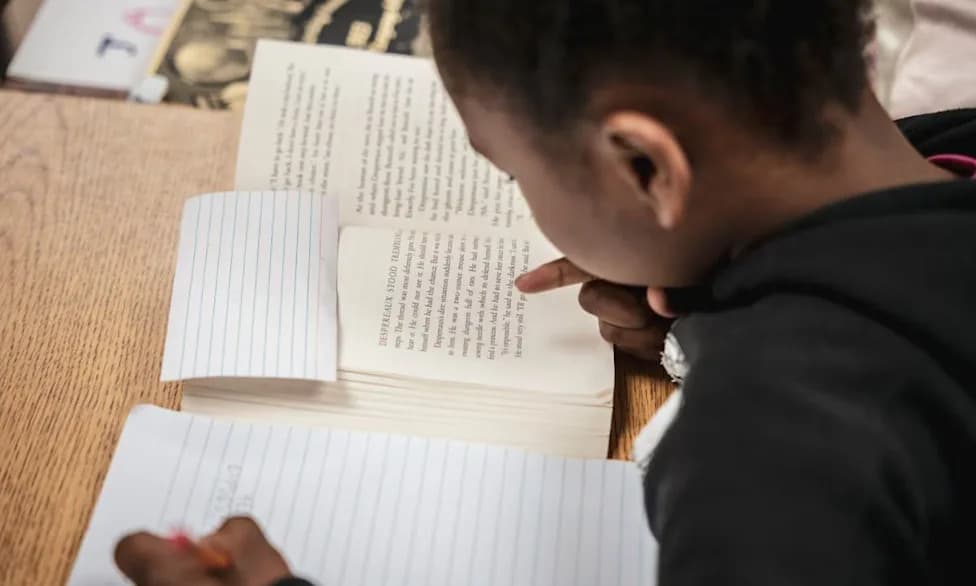
Reading proficiency in New York City declined sharply last school year, with third graders experiencing the steepest drop — nearly 14 percentage points — according to preliminary state test results released Friday.
Across grades 3–8, about half of students were rated proficient in reading, a decline of 6 percentage points from the prior year that largely erased a 7-point gain the year before. By contrast, math proficiency held steady at 57%.
The declines were concentrated in elementary grades: third grade fell nearly 14 percentage points, fourth grade dropped nearly 6 points, and fifth grade declined about 13 points. Citywide school-level results are publicly available through the state roster.
Context: A Multi-Year Literacy Overhaul
The drop comes as New York City enters the fourth year of a major overhaul of literacy instruction. All elementary schools are required to adopt state-approved curricula that district officials say align with the "science of reading," and an increasing number of middle schools are beginning to implement new reading programs.
Officials, Educators, and Advocates Respond
"These results raise important questions and deserve careful, rigorous analysis so we can ensure we're measuring what students are learning," said Schools Chancellor Kamar Samuels.
City officials noted that the state test results diverged from the city's own interim assessments, which generally showed reading gains — a discrepancy that officials said warrants careful review.
The United Federation of Teachers supported the shift toward science-of-reading curricula but criticized how the Department of Education responded after the latest results. Mary Vaccaro, the union's vice president for education, said the city needs "a clear plan, a tailored science-of-reading curriculum, and meaningful professional development," and charged that the Education Department had "piled on additional programs, assessments, consultant recommendations and curriculum" last year.
Mayor Zohran Mamdani has pledged to continue the literacy and math curriculum reforms initiated by his predecessor and in May announced plans to expand the math curriculum mandate to elementary schools — a move the union also criticized.
NYC Reading Scores Sink, With Third Grade Proficiency Falling 14 points
Questions About Test Reliability
The statewide reading decline (about 5 percentage points) and the sharp year-to-year swings have prompted calls for closer scrutiny of the assessments. Some measurement experts say large swings are uncommon and should be examined in the context of other data such as city assessments and the National Assessment of Educational Progress (NAEP), due to publish new results next year.
Andrew Ho, a Harvard professor who advises New York's assessment system, said the state exams are carefully constructed and that such swings are "uncommon but not unprecedented." By contrast, Brown economist Emily Oster called the pattern "implausible" and said it resembles COVID-era irregularities, suggesting there could be an unidentified problem.
EdTrust-New York urged an independent audit of the past three years of state testing data, arguing that last year's unexplained gains make this year's reversal difficult to interpret. A state Education Department spokesperson said the state conducts two independent audits of assessments each year and that those reviews have not flagged problems.
Persistent Gaps by Student Group
The results continue to show wide disparities among student groups. Asian American students experienced the largest racial-group decline in reading, falling nearly 8 points to roughly 67% proficiency; white students posted a similar proficiency share. Black students were about 42% proficient (down 5 points), Latino students about 37% (down 6 points), and students with disabilities were just under 22% proficient. Current and former English learners saw one of the largest drops, with reading proficiency falling nearly 10 points to 62.1%.
Math outcomes were more stable: Black and Latino students were each near 44% proficient (small increases), while white and Asian American students dipped about one point to roughly 74% and nearly 80%, respectively.
City leaders say they will analyze the abrupt swings in results and consider them alongside other measures to understand what students are learning and whether testing irregularities exist. Further federal and local data releases next year are expected to add context.
Chalkbeat is a nonprofit news site covering educational change in public schools.
Help us improve.