Oman is working to contain an oil spill covering nearly 400 sq km off its southern coast; Greenpeace estimates the slick could be as large as 600 sq km and is within about 7 km of shore. The spill originates from the tanker Caroline Bezengi, stranded since early June after an explosion and believed to be carrying roughly one million barrels of crude. Authorities have deployed aerial surveillance and divers and are preparing to transfer the cargo to limit damage to the Hallaniyat marine reserve and its vulnerable coral reefs and turtle nesting sites.
Oman Racing to Contain Major Oil Spill from Stranded Tanker Near Marine Reserve
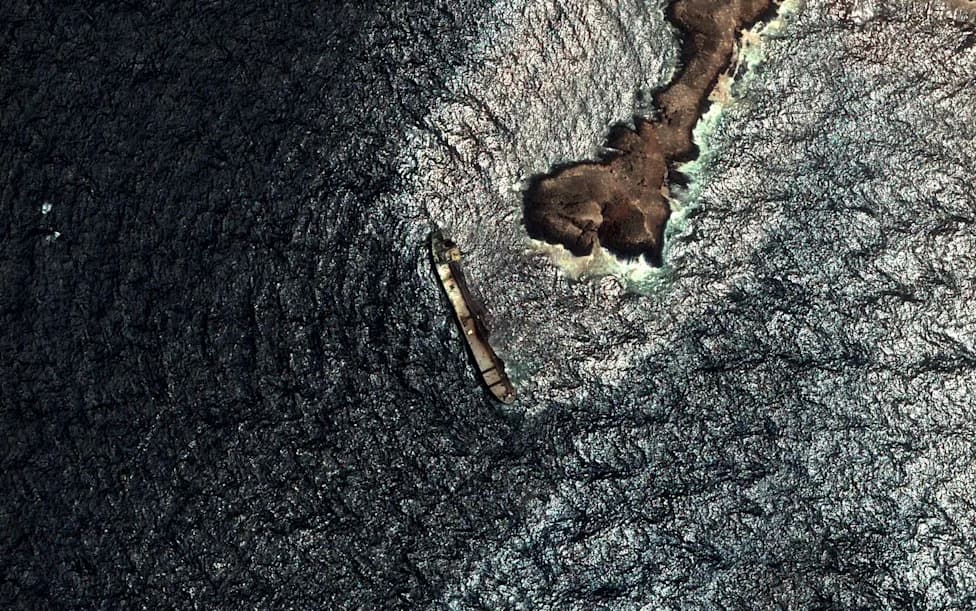
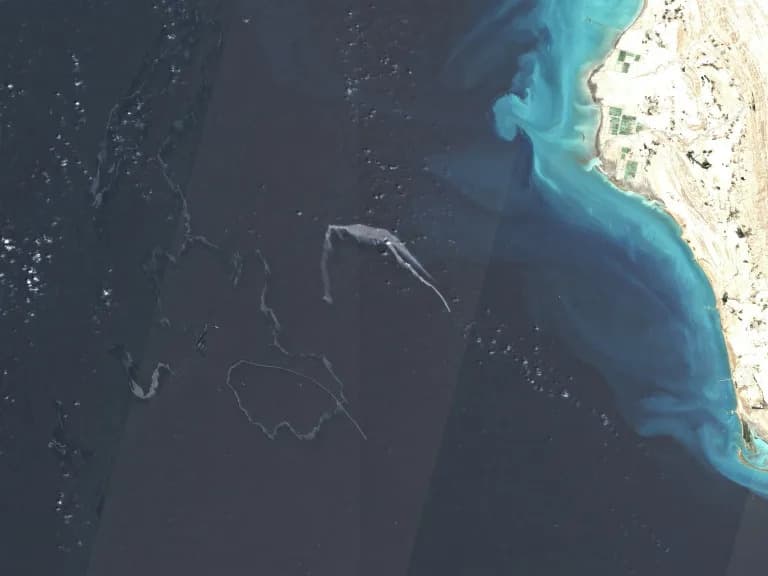
A satellite image shows the damaged vessel Caroline Bezengi and the resulting oil slick near the Hallaniyat Islands, off the coast of Dhofar governorate, Oman on August 5, 2026 [Distribution Airbus DS/Handout via Reuters]
Oman says it is racing to contain a large oil spill off its southern coast that authorities estimate covers nearly 400 square kilometres (about 150 sq mi). Environmental group Greenpeace has put the slick at as much as 600 sq km based on satellite imagery. The spill lies within roughly 7 km (4.4 miles) of the coastline and is concentrated around the ecologically sensitive Hallaniyat archipelago.
Stricken Tanker and Response
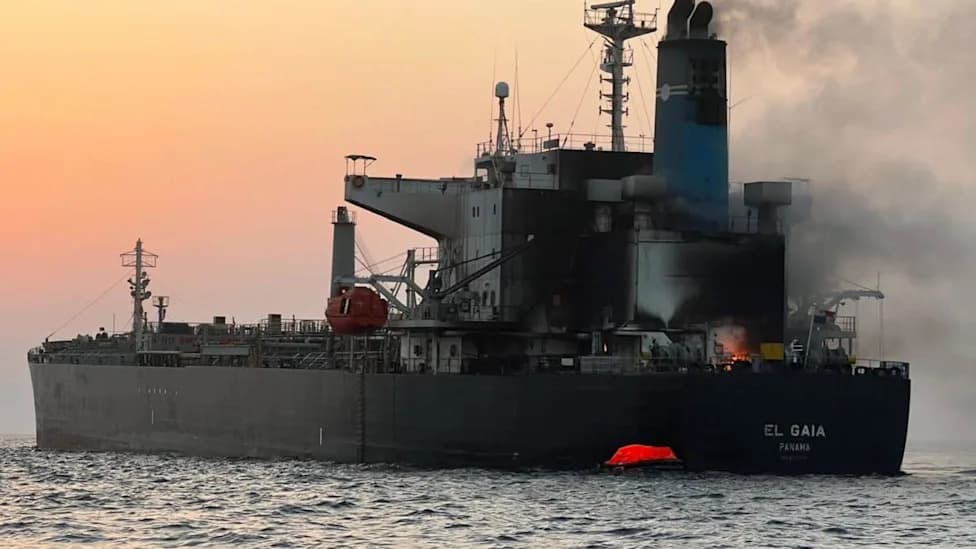
The spill stems from the tanker Caroline Bezengi, which ship-tracking data shows was loaded at Russia's Novorossiysk port in April and transited the Suez Canal at the end of May. An AFP investigation found the vessel has been stranded near al-Qibliyyah Island since early June after an explosion that allowed water into multiple sections of the hull.
Oman's Environment Authority warned that swift action is needed to protect biodiversity in the area, specifically naming coral reefs, turtle nesting sites and other marine habitats. Officials say they are conducting aerial surveillance, have deployed divers, and are developing plans to transfer the tanker’s oil cargo to reduce environmental and navigational risks.
Environmental and Geopolitical Concerns
Greenpeace and Dutch group PAX have warned the incident risks becoming an "environmental disaster," estimating the Caroline Bezengi may be carrying about one million barrels of crude bound for Asia. The ship is believed to be part of Russia's so-called "shadow fleet," a network of vessels used to obscure ownership and circumvent sanctions. That fleet has drawn criticism over the age, maintenance and safety standards of some vessels.
The Caroline Bezengi is subject to sanctions by the European Union, Ukraine, the United Kingdom, Canada and Switzerland. Omani authorities have not yet publicly identified the precise cause of the spill. Separately, tankers in the Gulf and nearby waters have faced increased incidents since February amid heightened regional tensions, complicating salvage and containment efforts.
What officials plan next: transfer of oil cargo to safer vessels, continued aerial and diver assessments, and containment measures to protect the Hallaniyat marine reserve.
Help us improve.