Scholars Alexander Edmonds and Eckart Frahm report the identification of three Neo-Assyrian rulers—Tiglath‑pileser (c. 763–762 BCE), Shalmaneser (c. 747–745 BCE) and Aššur‑uballiṭ (c. 913–912 BCE)—whose brief reigns were later erased from official records. The evidence comes from reinterpreted, poorly preserved cuneiform tablets and an overinscribed stela. These discoveries reveal how plagues, omens, elite rivalries and iconoclastic practices led later compilers to sanitize the Assyrian King List and obscure episodes of violent succession.
Three ‘Hidden’ Assyrian Kings Revealed: New Reading of Old Tablets Shows Bloodier Successions
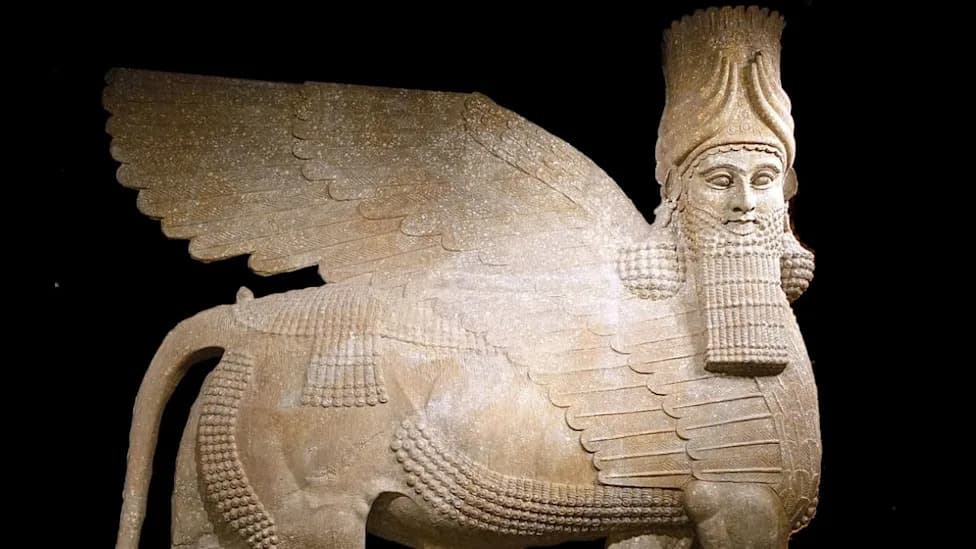
An Assyrian lamassu, or guardian deity. (TYalaA/Wikimedia Commons/CC BY 4.0)
Recent reexamination of long-studied cuneiform material has produced a striking revision to Neo-Assyrian chronology: scholars Alexander Johannes Edmonds (University of Münster) and Eckart Frahm (Yale) report evidence for three previously unrecognized kings who briefly held power before being removed and deliberately diminished in later records.
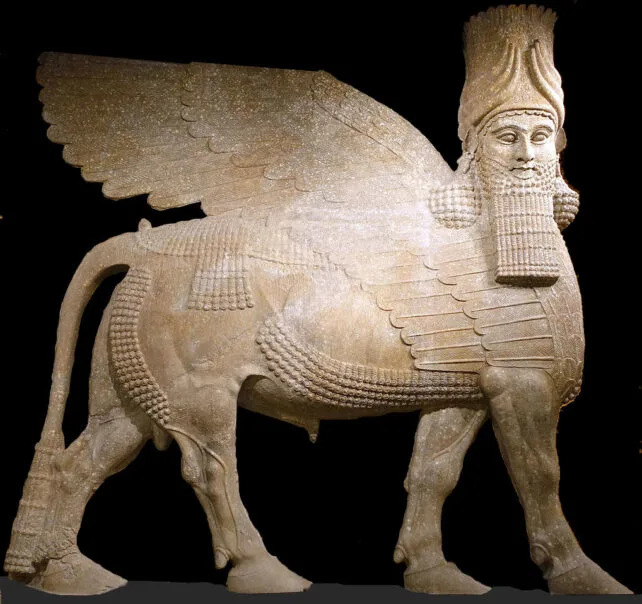
The protective deity known as a lamassu, commonly commissioned by Assyrian kings, protected palaces and gateways.(TYalaA/Wikimedia Commons/CC BY-SA 4.0)
New Evidence From Old Documents
The study, published in the Journal of Cuneiform Studies, is based on a fresh reading of poorly preserved tablets and a controversially altered stela. Together these texts indicate short-lived reigns that were omitted from the conventional regnal narrative preserved in the ancient Assyrian King List.
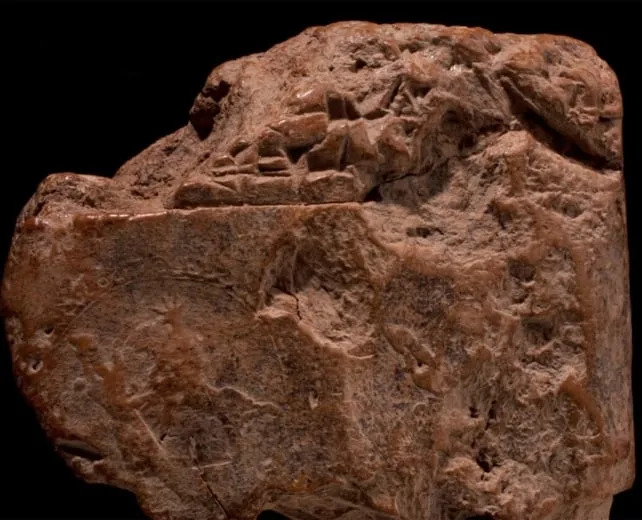
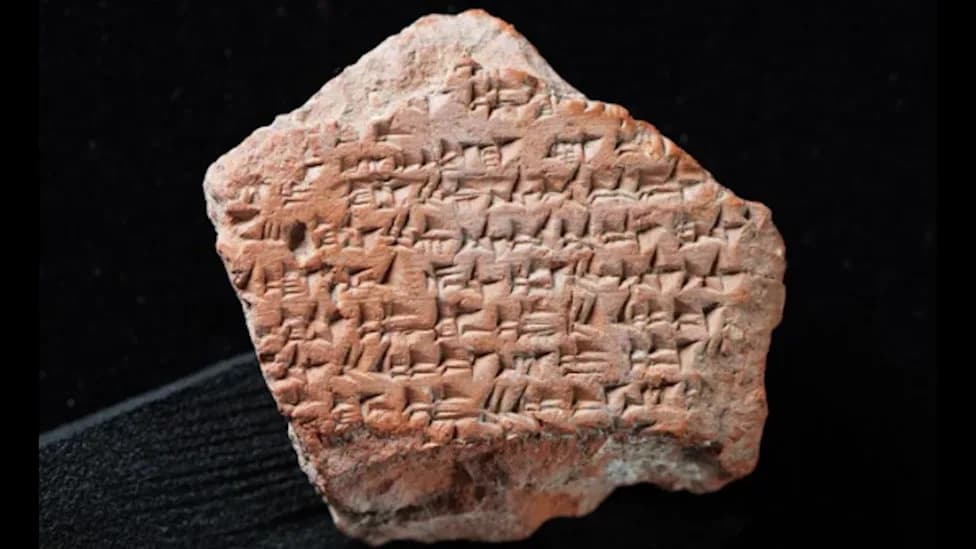
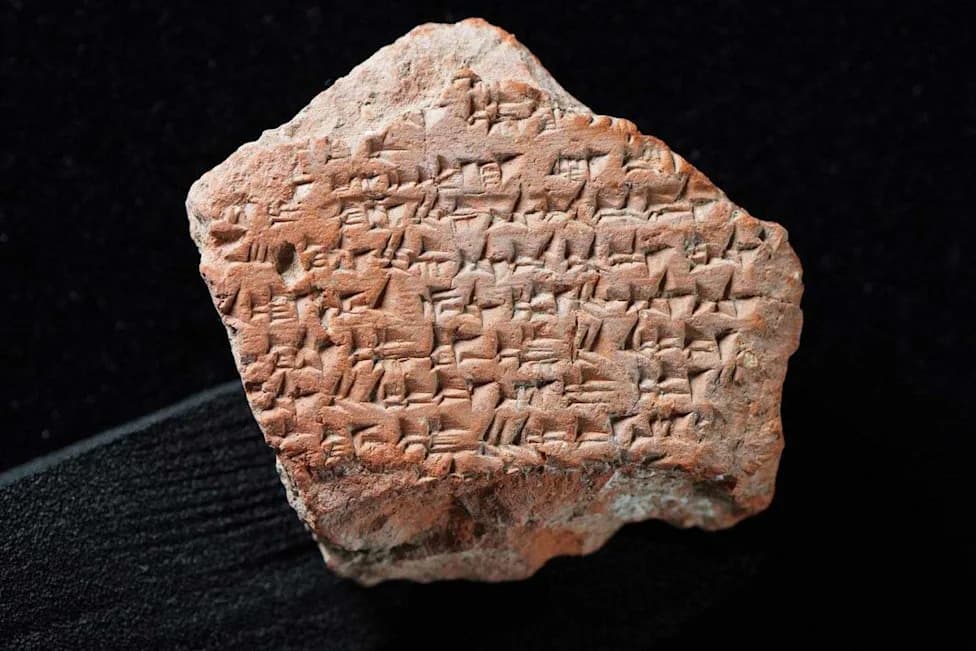
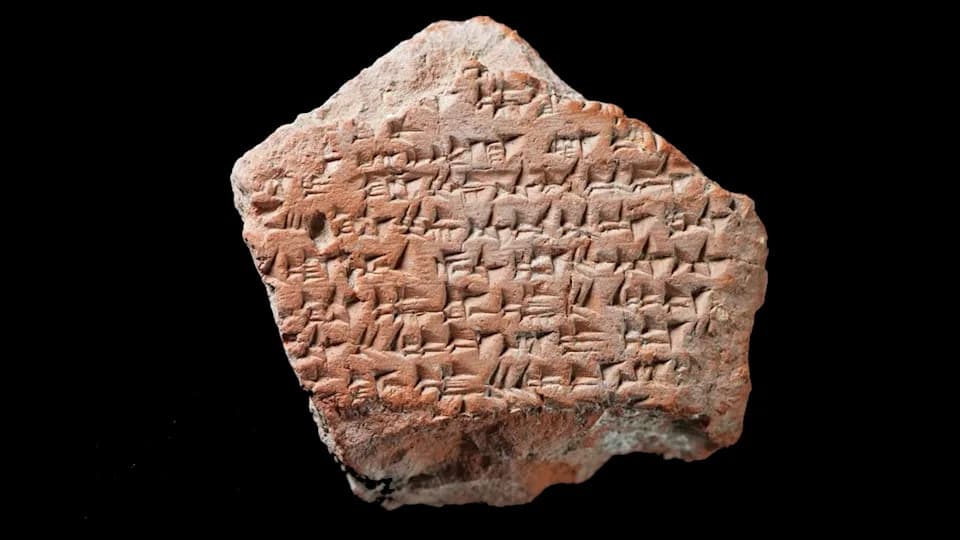
A poorly preserved tablet inscribed with the royal grant, which helped lead to the discovery of the first unknown king, Tiglath-pileser. (The British Museum and the Cuneiform Digital Library Initiative)
Who Were These Kings?
Tiglath-pileser (c. 763–762 BCE) — Identified on a badly damaged land-grant tablet found at Nineveh and published more than a century ago, this Tiglath-pileser had previously been assumed to be the much later Tiglath‑pileser III. Edmonds and Frahm argue the tablet instead records an earlier, short-lived claimant who appears to have ruled in parallel with the officially recognized Aššur‑dān III during a period of plague, a portentous solar eclipse, and insurgency.

Subscribe to ScienceAlert's free fact-checked newsletter
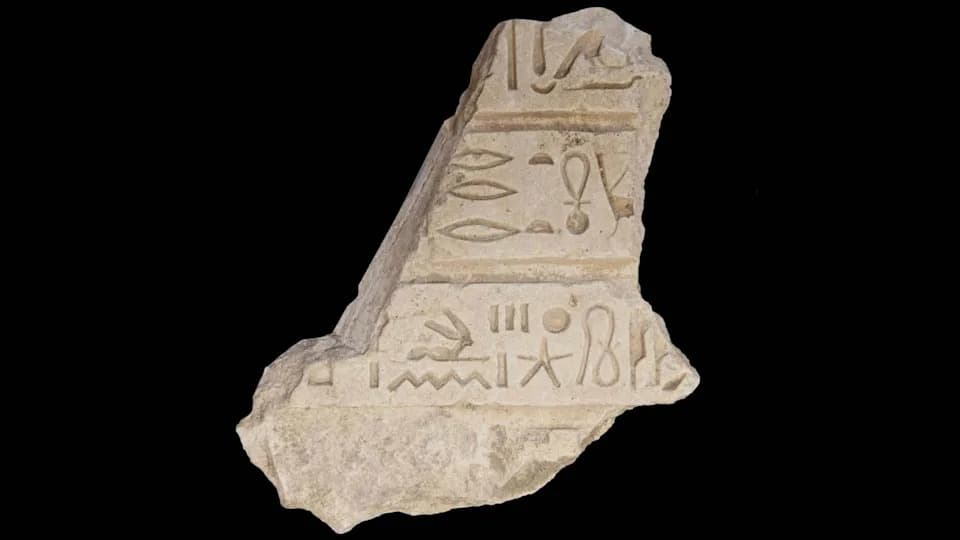
Shalmaneser (c. 747–745 BCE) — Reassessment of other problematic sources, including a stela discovered in 1894, suggests a Shalmaneser briefly held power before his name was overwritten with that of Tiglath‑pileser III. The overinscription and signs of alteration are consistent with deliberate erasure of a contested ruler.
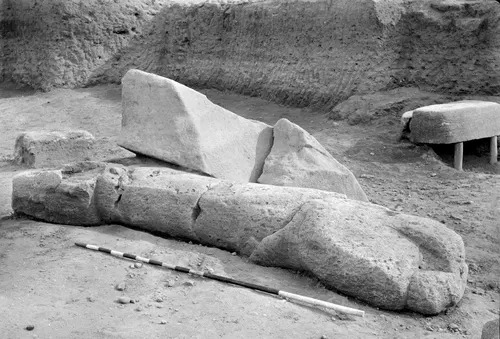
The stela in question lies flat beneath the remains of another stela. (Edmonds & Frahm,J. Cuneif. Stud., 2026)
Aššur‑uballiṭ (c. 913–912 BCE) — Tablets record royal cult activity (for example, supplying silver to restore a libation vessel dedicated to the national god Aššur), while material evidence shows a large monument associated with his name was decapitated, stripped of insignia, and reused as a stela praising his usurper. This pattern points to a program of iconoclastic erasure after a brief reign.
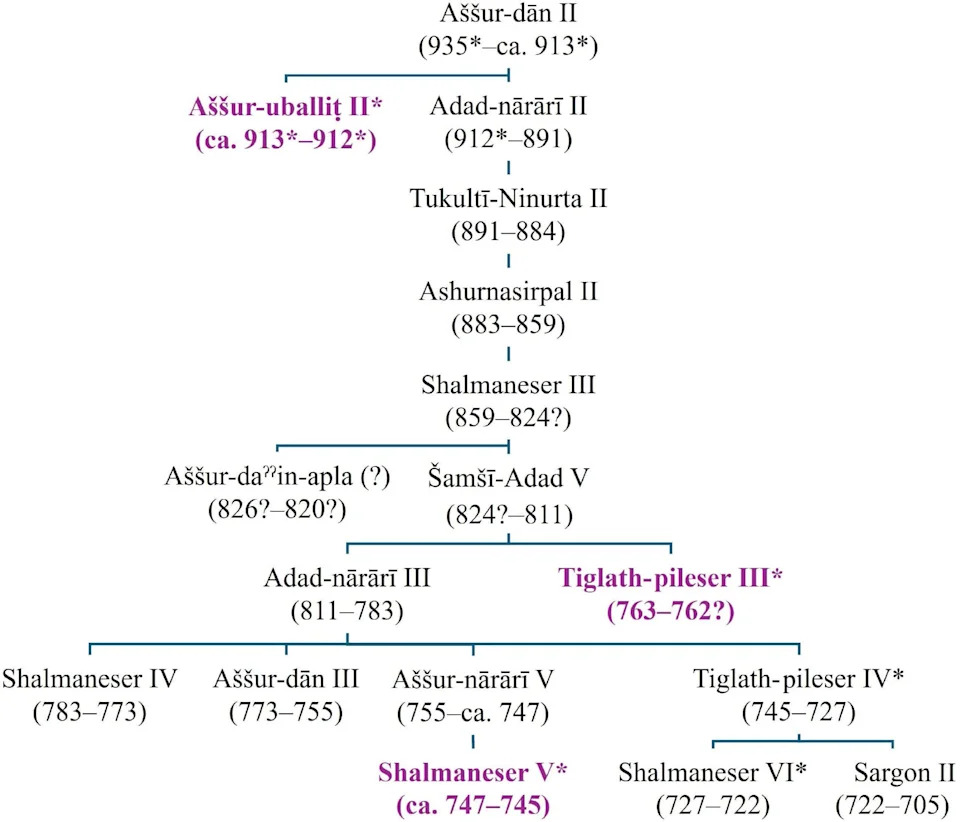
The kingly timeline, updated by Edmonds with the inclusion of the newly recognized kings. (Edmonds & Frahm,J. Cuneif. Stud., 2026)
Why These Figures Were Hidden
The Assyrian King List presents an idealized, orderly sequence of father‑to‑son successions. Edmonds and Frahm's findings show that episodes of disease, astronomical omens, elite factionalism, climate stress, and local insurgencies could produce contested accessions that later compilers omitted or sanitized. Monuments were defaced and inscriptions overwritten to legitimize successors and erase inconvenient rivals.
“The King List seems to provide an idealized version of Assyrian kingship in which all unrest, everything unstable, is essentially erased from the record,” Frahm and Edmonds write.
Broader Significance
These corrections to the timeline—based on material in collections including the British Museum and the Cuneiform Digital Library Initiative—demonstrate how renewed study of older finds can reshape long-standing narratives about state formation and imperial violence in the ancient Near East. The research also illustrates how political memory was actively shaped by later rulers to present an orderly past.
Sources: Edmonds & Frahm, Journal of Cuneiform Studies (2026); holdings consulted include the British Museum and the Cuneiform Digital Library Initiative.
Help us improve.