The presence of Indian house crows has been confirmed in Nairobi, prompting warnings that these adaptable scavengers could threaten native birds and raise bird‑strike risks near airports. They flourish in urban settings with abundant food waste and unsecured bins, enabling rapid growth. Experts emphasize early intervention—monitoring, securing rubbish and coordinated reporting—as the most effective and least costly way to prevent wider establishment.
Invasive Indian House Crows Confirmed in Nairobi — Threats to Native Birds and Airport Safety
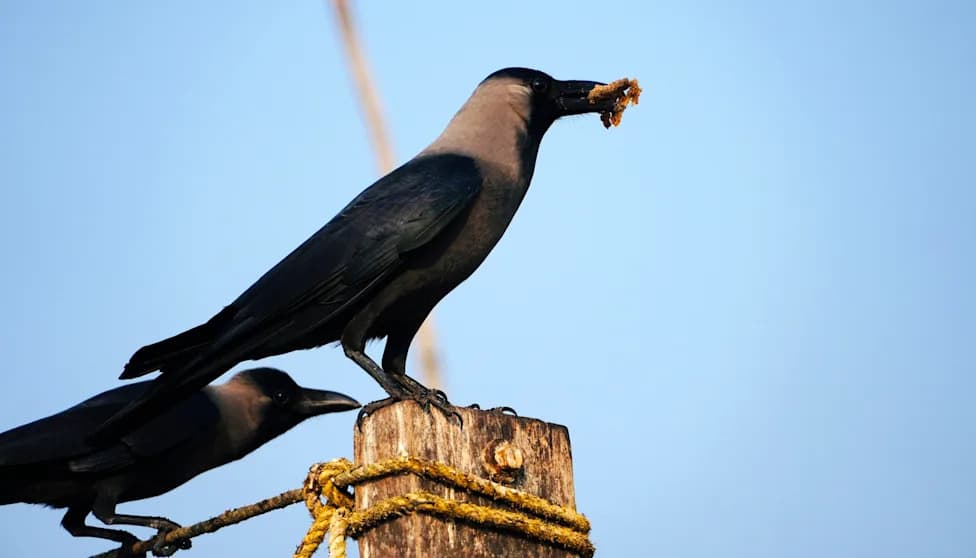
Photo Credit: iStock
Experts have confirmed the presence of Indian house crows in Nairobi, a development that conservationists say could have ecological and public-safety consequences beyond casual birdwatching. Streamline reported the sightings and warned that if the species establishes breeding populations across the city, impacts could escalate quickly.
Why Cities Are Vulnerable
House crows thrive in human-dominated environments. Food waste, unsecured bins, busy markets and transport corridors provide reliable resources that enable rapid population growth. Dense urban areas where infrastructure, people and wildlife overlap are particularly susceptible.
Ecological Risks
Conservationists list several ecological concerns associated with house-crow invasions. The species can outcompete native birds for food and nesting sites, raid nests for eggs and chicks, harass smaller species and alter local food webs. Even a modest, localized population can erode urban biodiversity over time if left unchecked.
Aviation And Public-Safety Concerns
Groups of scavenging birds near airports raise the risk of bird strikes, a serious aviation hazard that can disrupt flights, increase operational costs and place additional strain on airport staff and travellers. Transport corridors and airport perimeters therefore require particular attention.
Costs Of Delayed Action
When invasive species become established, municipal authorities often face rising costs for monitoring, control and removal. Funds that might otherwise support public services, habitat protection or waste-management improvements can be diverted to mitigation efforts—making early intervention both an ecological and economic priority.
Recommended Actions
- Implement close monitoring and coordinated sighting reports between residents, conservation groups and wildlife authorities.
- Secure trash containers, limit access to food waste and discourage deliberate feeding of wild birds.
- Prioritize rapid response to small, localized populations—removal is far more feasible and less costly at early stages.
- Increase coordination between waste managers, conservationists and aviation authorities to reduce risks near airports and transport hubs.
- Encourage public reporting of unusual sightings to help officials map and respond to the birds' distribution.
Early detection, community cooperation and a coordinated management strategy offer the best chance to prevent a local presence from becoming a long-term urban ecological and safety challenge.
Help us improve.