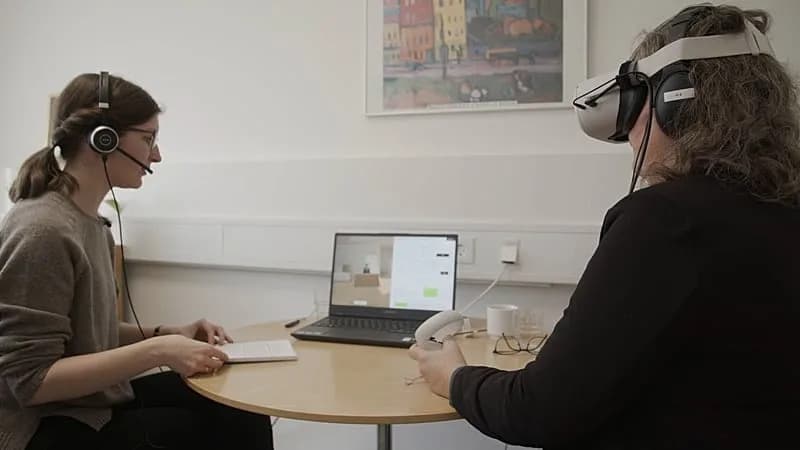
Researchers are testing Eco-Rescue, a therapeutic video game designed to strengthen attention control and help teens manage anxiety. FIU and the University of Geneva are running a three-arm, six-week controlled clinical trial (FIU enrolling 50 adolescents ages 11–15; ~150 participants expected across sites). Eco-Rescue players will do about 30 minutes of gameplay four days a week (~12 hours total), and investigators will measure attention, emotional regulation and anxiety symptoms to evaluate clinical benefit.
Can a Video Game Help Teens Beat Anxiety? New Trial Tests Eco-Rescue
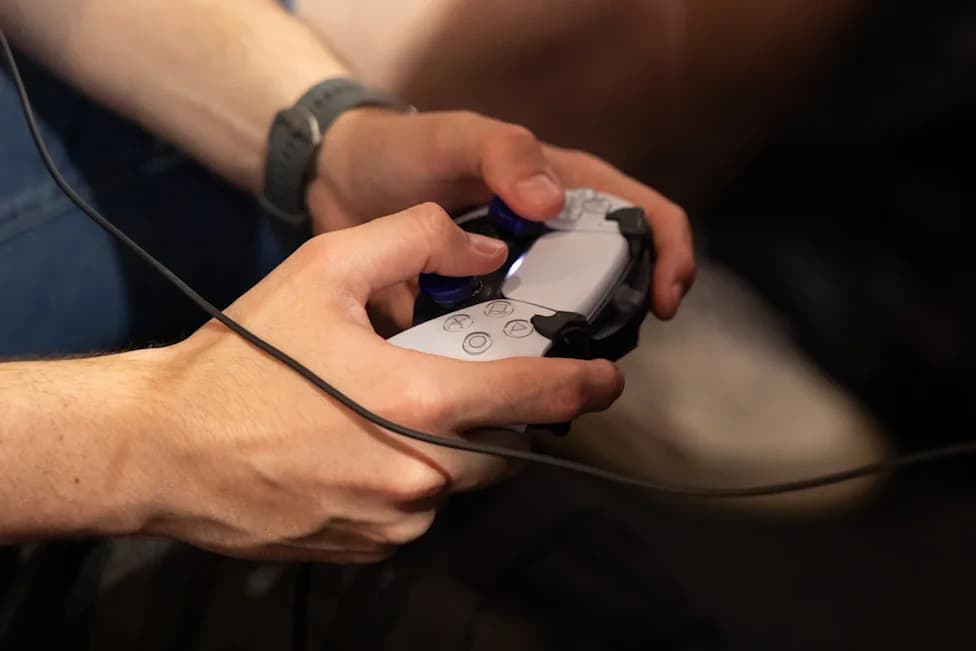
Andreas Rentz/Getty Images
Researchers are testing whether Eco-Rescue, a purpose-built therapeutic video game, can strengthen attention control and reduce anxiety in adolescents. Developed to train players to focus, filter distractions and respond calmly under stress, Eco-Rescue casts teens as pilots restoring damaged environments while tracking moving objects, adapting to surprises and managing multiple tasks as difficulty increases.
Study Design And Goals
Florida International University's Center for Children and Families, in partnership with the University of Geneva, is running a controlled clinical trial to evaluate the game's effect on attention and anxiety. FIU is the first U.S. site and is enrolling 50 adolescents ages 11 to 15; about 150 participants are expected across all research sites. The study uses a three-arm design: one group plays Eco-Rescue at home, a second plays a commercially available game without attention-training components, and a third group does not play any study game during the six-week intervention.
What Participants Do
Teens assigned to the Eco-Rescue arm are asked to play roughly 30 minutes per session, four days a week—about 12 hours total over six weeks. Investigators will evaluate changes in attention control, emotion regulation and anxiety symptoms after the intervention period to determine whether the training produces measurable clinical benefits.
Why Focus On Ages 11–15?
The trial targets early adolescence because anxiety disorders commonly begin during this developmental window, when the brain is still maturing and may be particularly responsive to targeted cognitive training. Prior work by the research team suggests that improving attention control can reduce anxiety symptoms, including for some teens who have not responded well to traditional therapies.
How Eco-Rescue Differs From Other ‘Brain Games’
Unlike generalized brain-training titles or games developed primarily for ADHD, Eco-Rescue was designed specifically around cognitive processes implicated in anxiety—sustained attention, distraction filtering and adaptive responding under stress. The University of Geneva contributed expertise in cognitive training and game design, while FIU brings experience in clinical trials and youth anxiety research.
“Adolescents already spend a lot of time engaging with digital media,” said Jeremy Pettit, psychology professor and executive director of FIU’s Center for Children and Families. “This project meets them where they are while delivering an intervention grounded in science.”
Public Health Context
According to 2025 World Health Organization estimates, anxiety disorders are the most prevalent emotional disorders among adolescents: roughly 4.1% of 10–14-year-olds and 5.3% of 15–19-year-olds are affected, with higher rates in older adolescents. Depression also affects young people and shares symptoms with anxiety that can disrupt school, increase isolation and, in severe cases, raise suicide risk.
Implications
If the trial shows that Eco-Rescue improves attention control and reduces anxiety symptoms, the game could become a scalable, engaging option for adolescents—either alongside existing therapies or as a supplemental tool for those who have not benefited from traditional approaches. Results from this and related trials will help determine whether attention-focused games can be a validated part of youth mental health care.
Help us improve.