The IISS, with research support from Germany's Hanns Seidel Foundation, finds Europe is underprepared to detect, attribute and respond to UAV incidents likely tied to Russia. Detection coverage and legal frameworks vary widely, response options risk being disproportionate, and attribution remains too slow to support timely deterrence. The study reviewed 144 incidents between August 2024 and February 2026 across 12 NATO countries and Ireland.
IISS Warns Europe Is Ill-Prepared To Detect And Attribute Likely Russian Drone Campaign
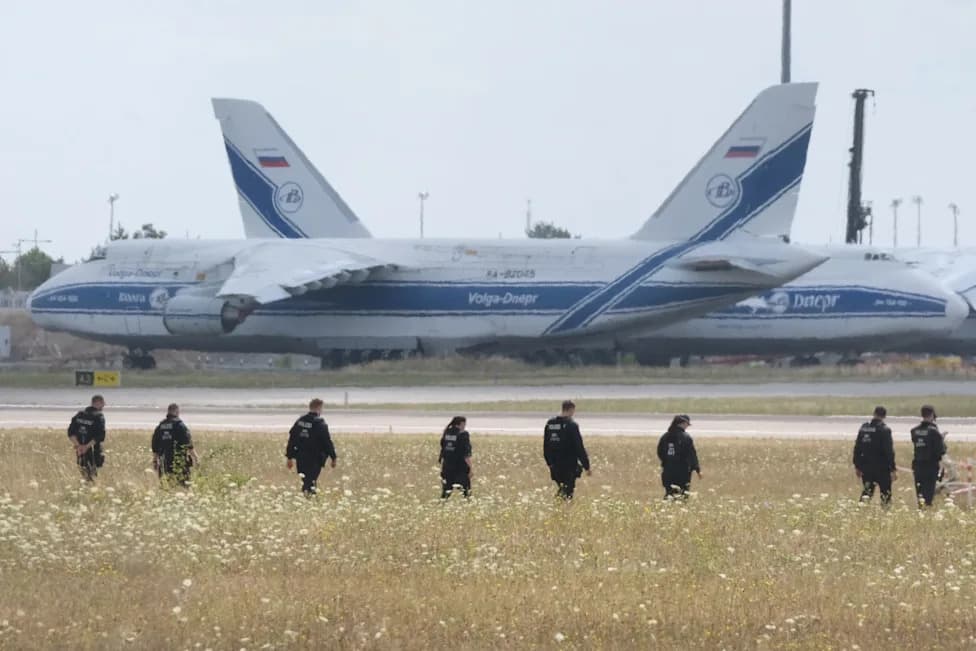
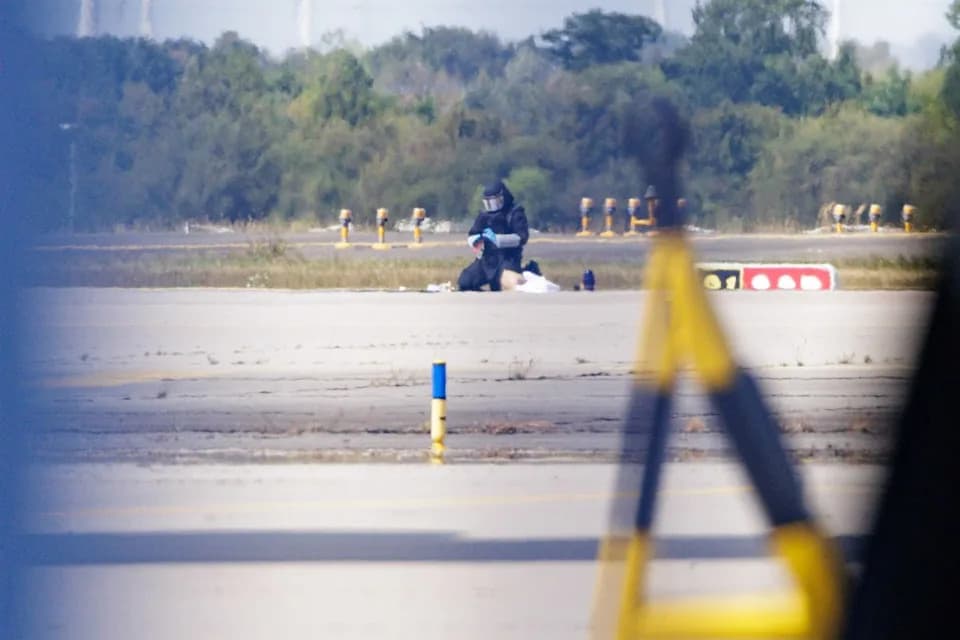
FILE PHOTO - Police officers walk across a field on the grounds of Leipzig/Halle Airport. The investigation into the discovery of a drone carrying an explosive device is ongoing. Numerous police officers search the area on foot near the northern runway. (is associated with: «Study: Europe ill-prepared for Russian drone attacks») Sebastian Willnow/dpa
A study published by the London-based International Institute for Strategic Studies (IISS), with research support from Germany's Hanns Seidel Foundation, warns that many European states are poorly equipped to detect, respond to and attribute unmanned aerial vehicle (UAV) attacks likely originating from Russia.
Key Findings
The IISS analysis examined 144 incidents recorded between August 2024 and February 2026 across 12 NATO member states and Ireland. Researchers found major shortfalls across four main areas:
- Uneven Detection: Sensor coverage and surveillance capabilities vary widely between countries, producing gaps in early warning and situational awareness.
- Fragmented Legal Authorities: National legal frameworks and responsibilities for counter-UAV operations are inconsistent, complicating coordinated responses.
- Disproportionate Response Options: Available response measures are often limited or carry risks of escalation and collateral damage.
- Slow Attribution: Attribution processes are too slow and rarely conclusive, undermining timely deterrence and coordinated political reactions.
"This report assesses it is highly likely that the Kremlin conducted a UAV (Uninhabited Aerial Vehicle) campaign over Europe," the authors write.
The authors note that no European government has publicly attributed a UAV sighting to Russia to date. Researchers say one contributing factor is that many national authorities prioritized immediate domestic incident responses rather than sharing data and "connecting the dots" across borders.
Expert Comment
Klaus Holetschek, chairman of the Hanns Seidel Foundation, described the findings as alarming: "Europe is so far not sufficiently prepared for this form of hybrid threat."
Implications
The study recommends strengthening interoperable detection networks, clarifying legal authorities for counter-UAV actions, speeding up attribution capabilities (including common forensic standards), and improving cross-border intelligence sharing to enable coordinated deterrence and response.
Methodology: The analysis is based on 144 documented UAV incidents from August 2024 to February 2026 across 12 NATO member states and Ireland, supplemented by interviews with European officials and subject-matter experts.
Help us improve.