Another great hammerhead washed ashore in Jupiter this summer, the sixth such discovery in Florida in 2026. Although the carcass showed no obvious external injuries, scientists warn that fishing-line entanglement, exhaustion or illegal mutilation can cause delayed deaths that leave few outward signs. Experts urge investigations and stronger enforcement to protect this IUCN- listed Critically Endangered species and preserve coastal ecosystems.
Sixth Great Hammerhead Found Dead in Florida This Year — Scientists Sound Alarm
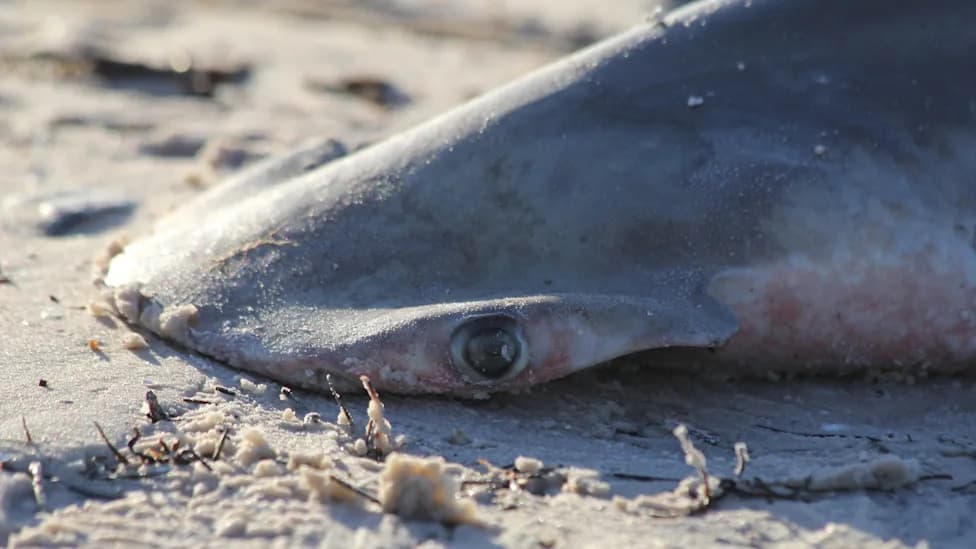
Photo Credit: iStock
Another great hammerhead shark washed ashore this summer on a Jupiter beach, bringing Florida's statewide total to at least six dead great hammerheads discovered in 2026. The repeated strandings are raising concerns among biologists and conservationists about the fate of a species already listed as critically endangered.
The shark was found south of the Jupiter Beach Resort by Jupiter resident and musician Christopher Ray, according to reporting by the Tallahassee Democrat. Although the carcass showed no obvious external wounds, experts caution that a lack of visible trauma does not rule out human-related causes.
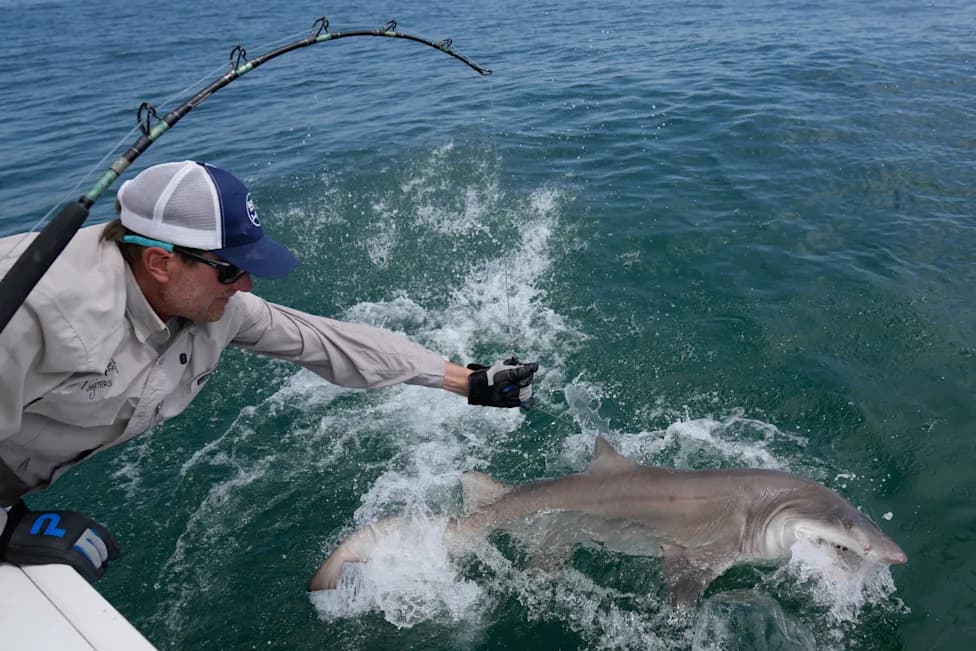
Scientists note that sharks can die after prolonged entanglement with fishing lines and hooks, or from exhaustion and internal injuries even after being cut free. Because sharks typically sink when they die at sea, strandings without clear external injuries can be especially suspicious.
Spencer Roberts, a University of Miami shark scientist and director of the nonprofit Fish Defender, said it is "very unlikely" the recent finds represent normal natural deaths. "Sharks sink when they die. If every shark that died in the ocean floated around, they would be all over the beach," Roberts told the Democrat.
Researchers and conservation advocates suspect shore-based shark fishing could be contributing to the string of carcasses. Other dead great hammerheads reported in Florida in 2026 have been found in Hobe Sound, Juno Beach, Venice, Naples and Atlantic Beach. In one Juno Beach case, a carcass was mutilated with its fin and tail removed — an act that is illegal under state law.
The International Union for Conservation of Nature (IUCN) lists great hammerheads as Critically Endangered, and Florida law prohibits harvesting them or their parts. The loss of apex predators like hammerheads jeopardizes marine ecosystem balance, which supports fisheries, coastal economies and the recreational and tourism industries many Florida communities rely on.
Authorities and researchers say these strandings warrant thorough investigation and stronger enforcement of existing protections. Members of the public who spot stranded or injured sharks are urged to report them to local wildlife authorities, such as the Florida Fish and Wildlife Conservation Commission (FWC), and local law enforcement so that carcasses can be examined and any possible criminal activity pursued.
Help us improve.