Amazon plans an on-site natural gas plant to power a large Pecos County, Texas data campus that could be permitted to emit up to 33 million metric tons of CO2 per year—potentially the largest single U.S. source of carbon emissions on paper. Amazon says the plant won’t raise household electricity costs, that it plans to pursue solar and battery options, and intends to connect to the grid when possible. The project highlights tensions between urgent AI infrastructure needs and corporate climate commitments, and has prompted a temporary Texas pause on new data center approvals pending regulatory review.
Amazon’s Pecos County Gas Plant Could Become U.S.’s Largest Single Carbon Emitter
Amazon data center plant in Texas could become America’s biggest polluter
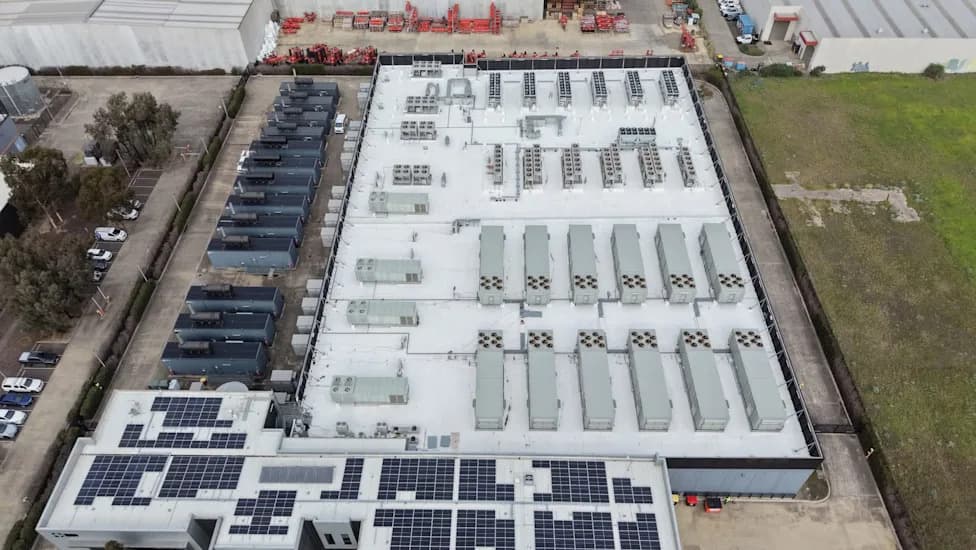
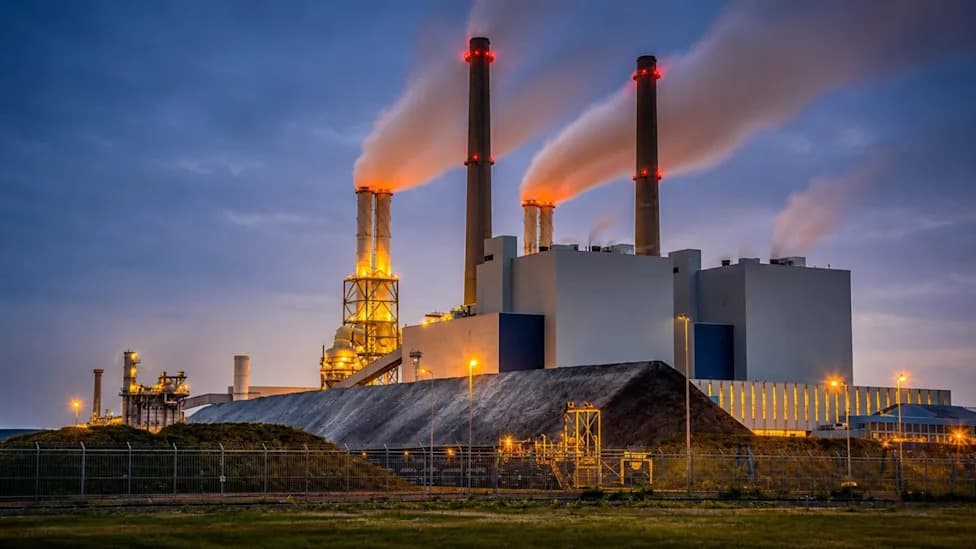
Amazon is planning an on-site natural gas power plant to supply a large new data center campus in Pecos County, Texas. Company and permitting documents obtained by The New York Times and climate research outlet Distilled indicate the proposed plant could be permitted to emit up to 33 million metric tons of carbon dioxide annually—a level that, on paper, would make it the largest single source of CO2 emissions in the United States.
By comparison, Alabama’s James H. Miller Jr. coal-fired station emits roughly 16 million tons of CO2 per year; if Amazon’s plant were to operate at its permitted maximum, it would more than double that amount. It is important to note that power plants often do not emit at their permitted ceilings, and Amazon’s facility remains in early-stage construction.
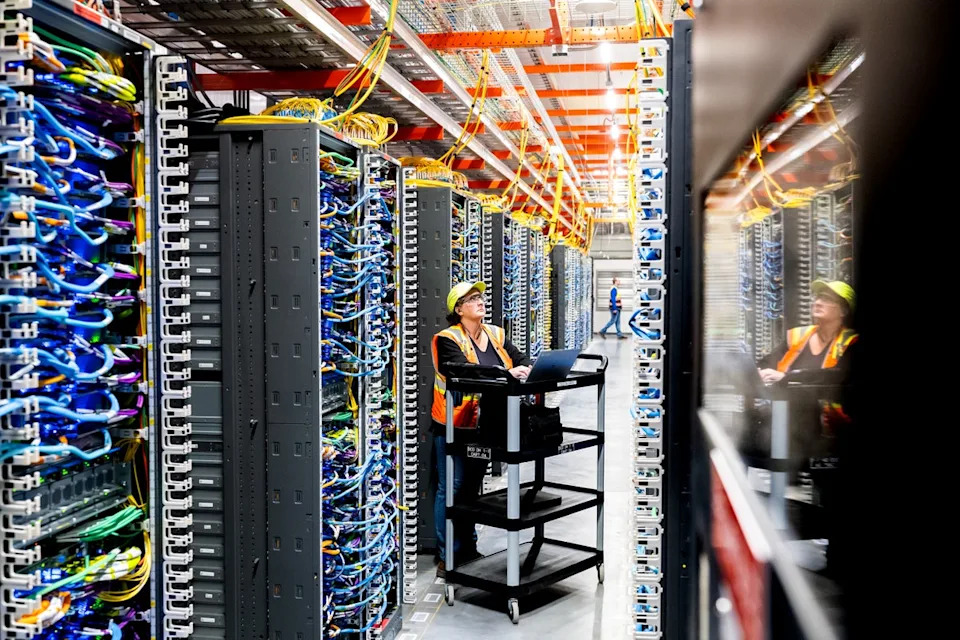
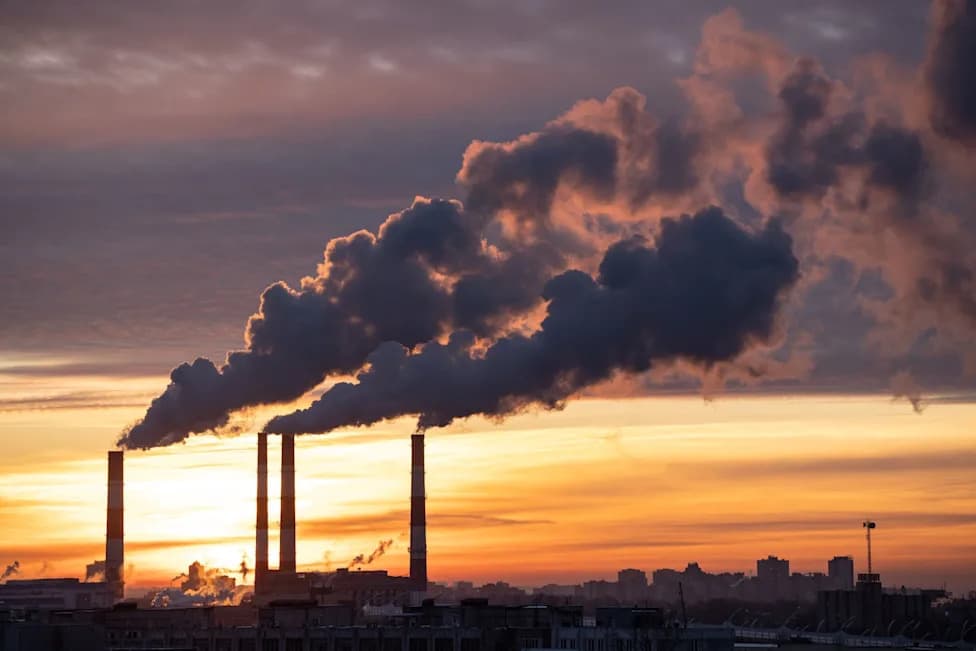
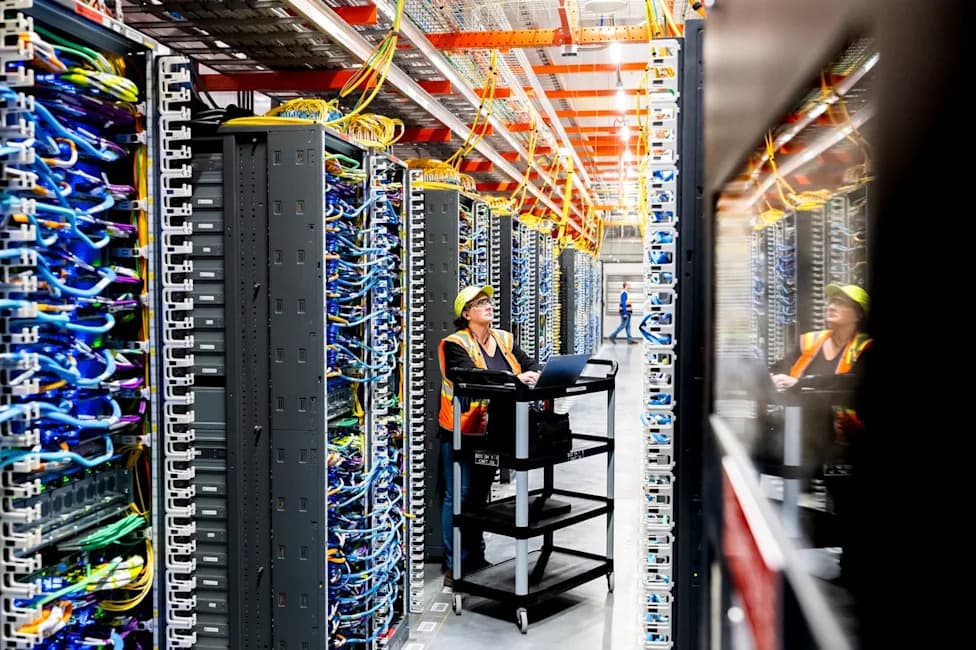
A future Amazon data center will be powered by a gas plant that could become the largest carbon polluter in the country, complicating the company's climate commitments (Getty)
Amazon’s Response and Plans
An Amazon spokesperson told The Independent that the on-site generation is intended to power the campus without raising electricity costs for Texas households and that the company plans to transition the site to grid-connected power as interconnection timelines allow. Amazon also said it is “exploring opportunities for solar energy and battery storage on site,” and described the Pecos project as creating “thousands of new jobs.”
“Amazon believes in paying the full costs of powering our operations,” the company said. “Our new planned data center campus in Pecos County does just that: it’s powered by new on-site generation that won’t raise electricity costs for Texas families and is designed to transition to grid-connected service as interconnection timelines allow.”
Broader Context: Data Centers, AI Demand and Power
The Pecos campus is reportedly Amazon’s first major off-grid power investment for a data center. Other hyperscalers—such as Microsoft, Google and Meta—have pursued similar fossil-fuel-backed or bespoke on-site power solutions as demand for artificial intelligence services drives a global data-center buildout.
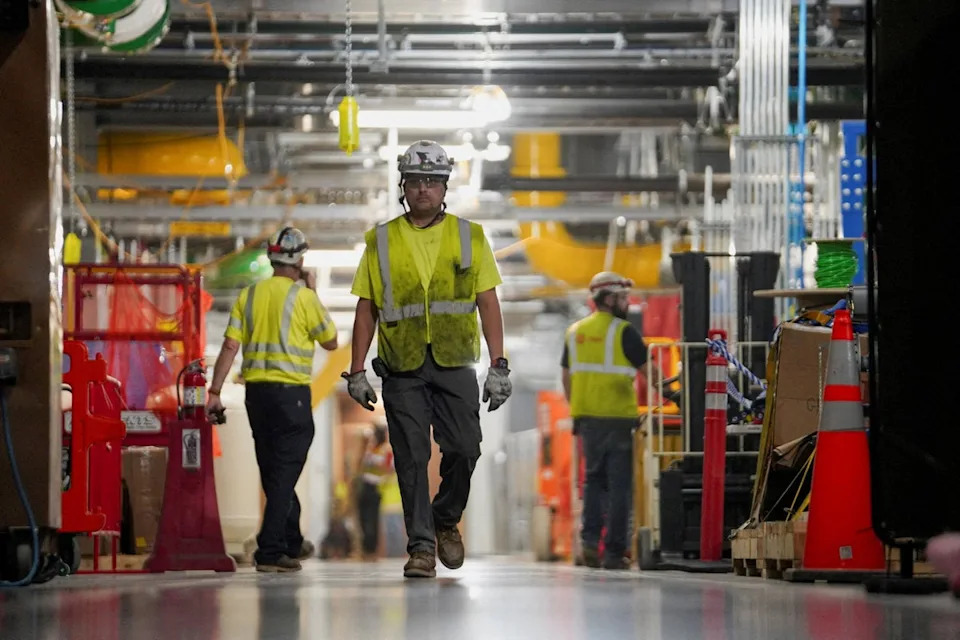
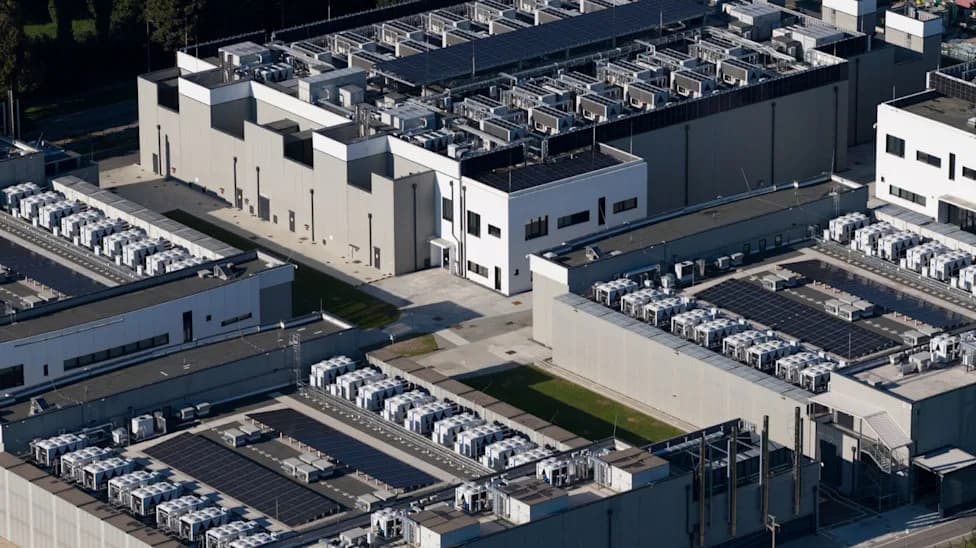
High demand for AI has sparked both a data center boom and a power crunch, prompting tech companies to invest in new fossil fuel power sources (Reuters)
That surge in demand has strained electricity systems and lengthened interconnection timelines, prompting some tech firms to seek immediate, reliable generation—often in the form of natural gas plants—or to invest in large-scale renewables and battery projects as longer-term solutions. The trade-off highlights tension between rapid infrastructure expansion and corporate decarbonization commitments.
Local And National Pushback
Data centers have faced increasing scrutiny over emissions, water use and impacts on local electricity prices. This week, Texas paused new data center approvals while state electricity regulators audit each proposed project’s impacts. State officials noted that roughly 90% of new power requests on the Texas grid are from data centers, totaling proposals seeking about 474 gigawatts—more than five times the grid’s historical peak demand across much of the state.
Federal policymakers have also weighed in, proposing measures to speed data center construction in some cases—including repurposing federal land—while critics warn that rapid expansion of high-demand facilities could imperil efforts to address the climate crisis.
What To Watch
Key developments to follow include the final permit specifications, how much the plant would actually operate relative to its permitted limits, progress on local grid interconnection, and Amazon’s stated efforts to add on-site solar, battery storage, or a transition to cleaner grid power. The project underscores the difficult balance between meeting immediate AI-driven demand and achieving long-term emissions goals.
Help us improve.