The article covers a renewed U.S. debate about whether cyclists are safest when they ride like motor vehicles or when they are physically separated from traffic. A Reddit thread traced the vehicular-cycling view back to John Forester and highlighted research — including a 2011 Montreal study showing ~28% fewer injuries on separated facilities — and lower Dutch fatality rates per distance. Commenters argued that continuous, well-maintained protected lanes broaden who can bike, while poor design undermines safety.
Should Cyclists ‘Ride Like Cars’ — Or Be Physically Separated? Reddit Rekindles U.S. Debate
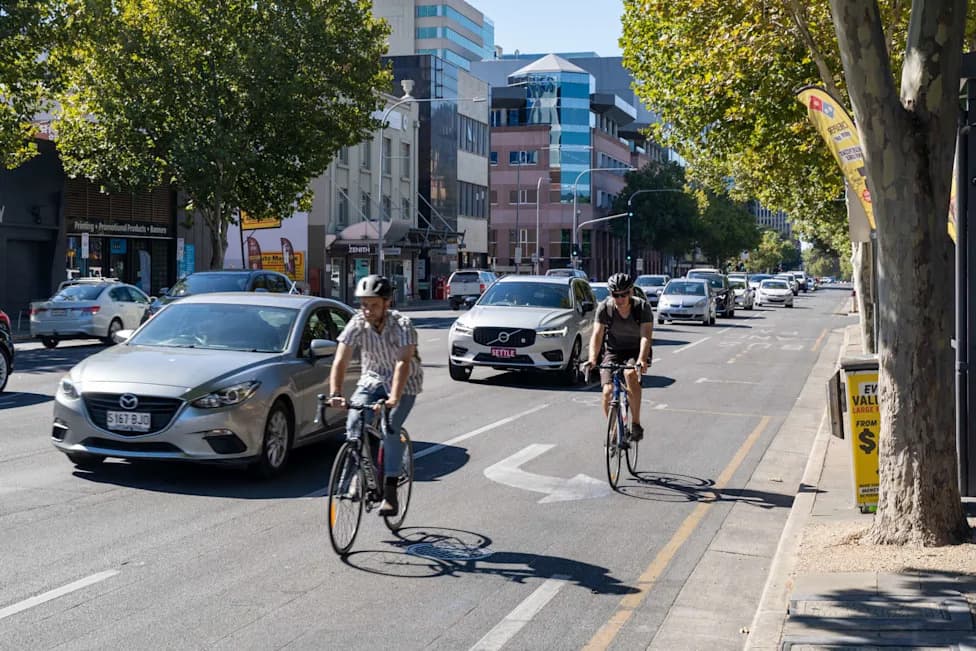
Photo Credit: iStock
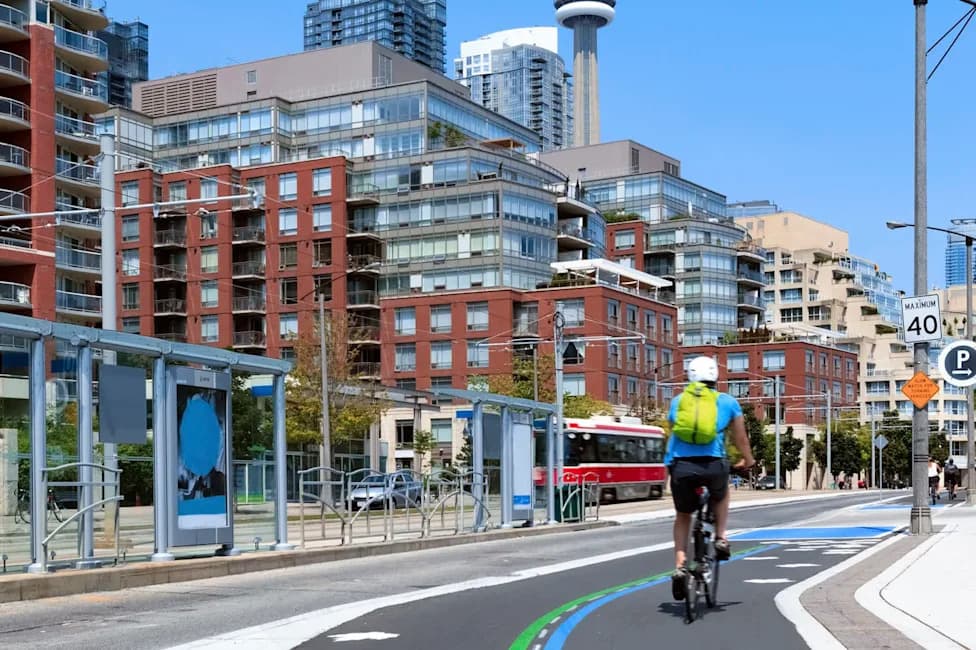
A renewed debate among U.S. cyclists is revisiting a long-standing — and contested — idea about what keeps riders safe: that cyclists are safest when they behave like motor vehicles and ride directly in traffic. A lively Reddit thread challenged that notion, arguing that protected, physically separated bike lanes are the clearest path to safety for the largest number of people.
Background
The online discussion traced the vehicular-cycling philosophy to John Forester, a prominent advocate in the 1970s and 1980s who argued against Dutch-style separated cycling infrastructure in the United States. One commonly cited line from that tradition is:
“Cyclists fare best when they act and are treated as drivers of vehicles.”
Thread participants countered with a simpler safety-first standard:
“Cyclists fare best when they do not collide with cars. And the best way to achieve this is physical separation.”
Evidence And The Case For Separation
Supporters of separated infrastructure pointed to research and international comparisons. A 2011 Montreal cycle-track study found roughly 28% fewer injuries on separated facilities. Observers also note that cyclist fatality rates per distance traveled in the Netherlands are about one-fifth of those in the U.S., a difference often attributed to infrastructure, consistent training, and broader cycling culture.
The Reddit thread, which drew more than 100 comments, folded these data into a larger question: Do American streets reflect how physically vulnerable cyclists are — and who those streets should serve?
Who Gets To Ride?
If safety relies on riders feeling confident enough to control a lane beside large vehicles, many groups — children, older adults, and less-experienced riders — are effectively excluded from daily biking. Commenters pointed out that when communities design streets so people feel safe cycling, they can gain broader benefits: reduced traffic congestion, lower transportation costs, quieter neighborhoods, and fewer short car trips that contribute to pollution.
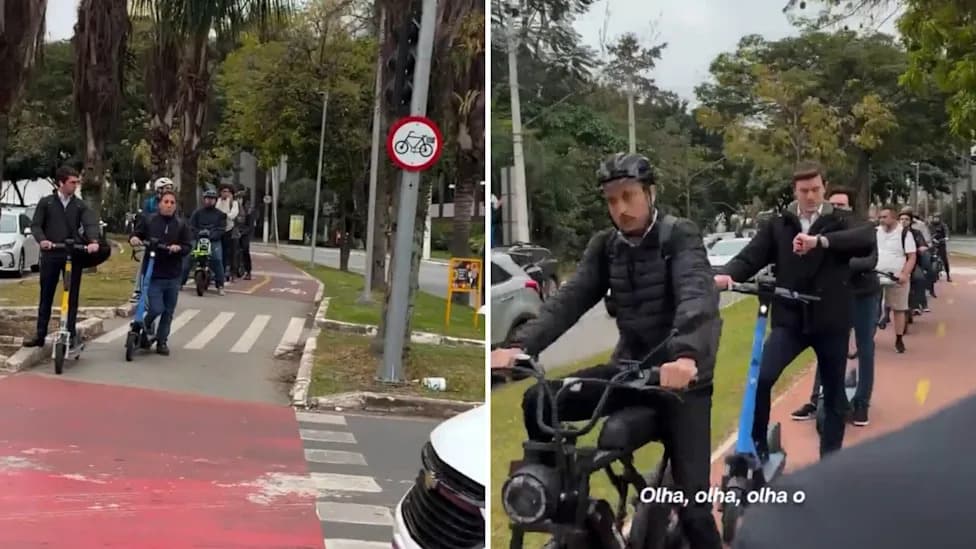
One participant summarized a common sentiment: As a semi-serious road cyclist I dislike using bike lanes, but they are objectively right for about 90% of people on bikes. Still, several riders warned that poor implementation can negate those advantages: lanes that end abruptly, collect debris, place users in awkward merges, or lack visibility at intersections can be stressful and dangerous.
Design Matters
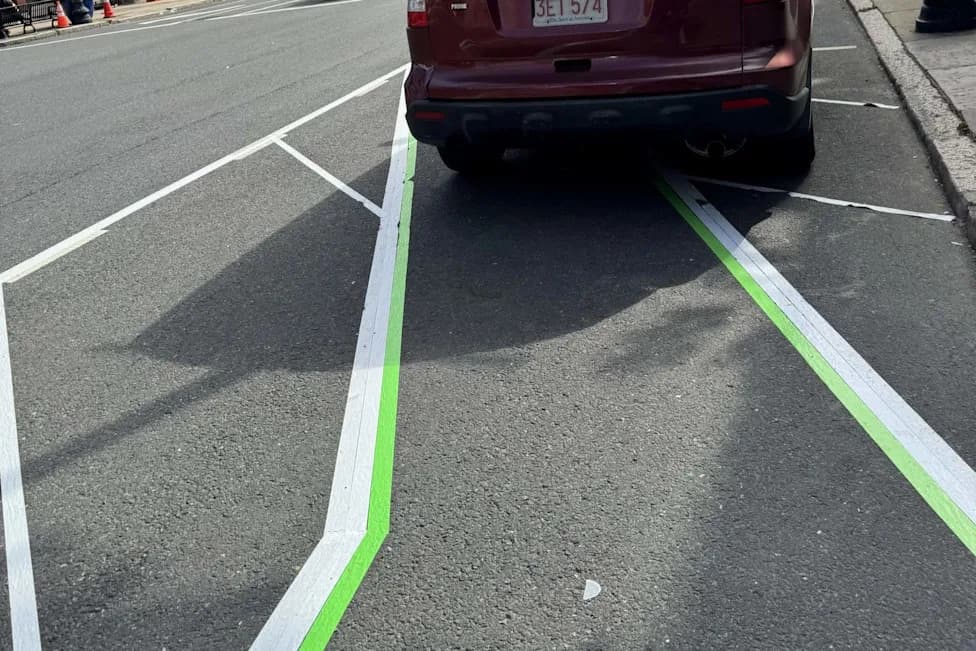
Support for protected lanes often came with an important caveat: endorsing separation does not mean every existing bike lane is adequate. Continuity, clear visibility at intersections, thoughtful transitions, and routine maintenance are as important as the lanes themselves. Poorly designed infrastructure can deter riders; well-designed networks can make cycling practical for far more people.
Lessons From Europe — And Remaining Trade-Offs
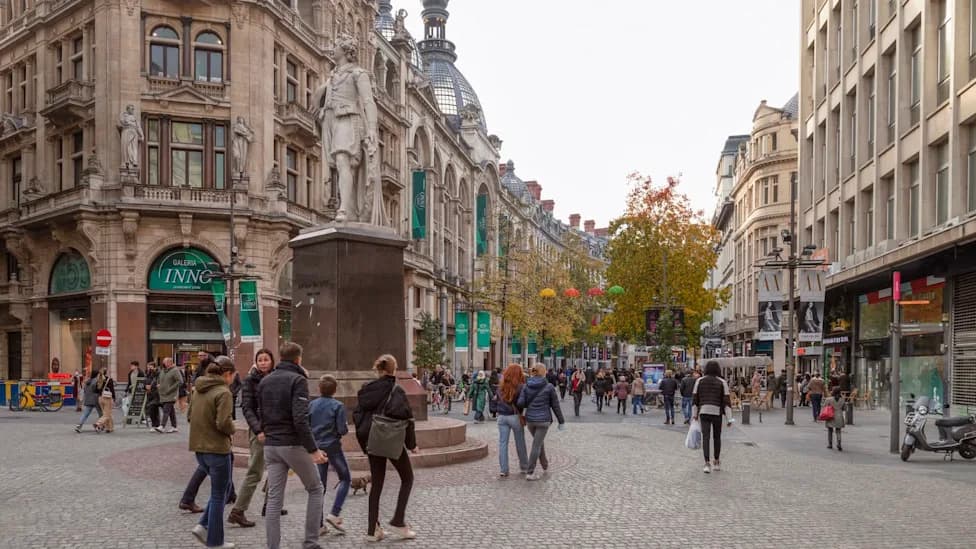
Many commenters pointed to European examples, especially the Netherlands and Belgium, where integrated cycling networks make everyday trips feasible by bike. Even in those countries, planners still wrestle with trade-offs: how to accommodate very fast, experienced cyclists alongside casual riders without creating conflicts.
Conclusion
The Reddit debate highlights a broader shift in transportation planning toward networks that are continuous, physically separated where appropriate, and designed for everyday use — not merely painted onto busy streets as an afterthought. Most commenters found common ground: vehicular-cycling skills are useful for regular riders, but protected, well-designed infrastructure makes cycling safer and more accessible for the majority.
Help us improve.