The University of Michigan C.S. Mott Children’s Hospital national poll (July 2026, n=1,234 parents of children 11–18) found 67% of parents feel uninformed about e-bike types, while 35% report someone in their household has ridden one. Major safety concerns include rider injuries (82%) and pedestrian harm (62%), and 65% view e-bikes as riskier for typical teenagers than regular bikes. Parents favor targeted safety measures—helmets, age labels and clearer riding rules—over a full ban.
Most Parents Say They Lack Basic E-Bike Knowledge as Teen Use Rises, National Survey Finds
Image Credit: By Austin Kirk - https://www.flickr.com/photos/aukirk/53383031689/, CC BY 2.0/WikiCommons.
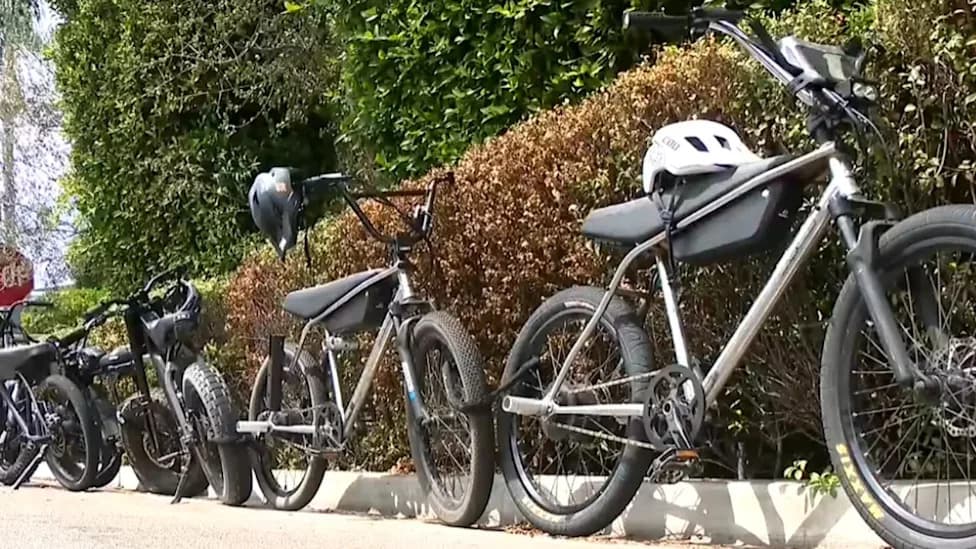
A new national poll from the University of Michigan C.S. Mott Children’s Hospital finds most parents feel poorly informed about electric bicycles even as e-bikes become more common among children and teenagers.
Key Findings From the Poll
The C.S. Mott Children’s Hospital National Poll on Children’s Health, fielded in July 2026, included responses from 1,234 parents of children ages 11 to 18. Only 6% of parents said they were very informed about different types of e-bikes; 27% said they were somewhat informed and 67% said they were not informed.
Thirty-five percent of parents reported that someone in their household had ridden an e-bike. Parents named transportation when a car isn’t available, fun, added physical activity and increased independence as the main benefits.
Safety Concerns and Parental Views
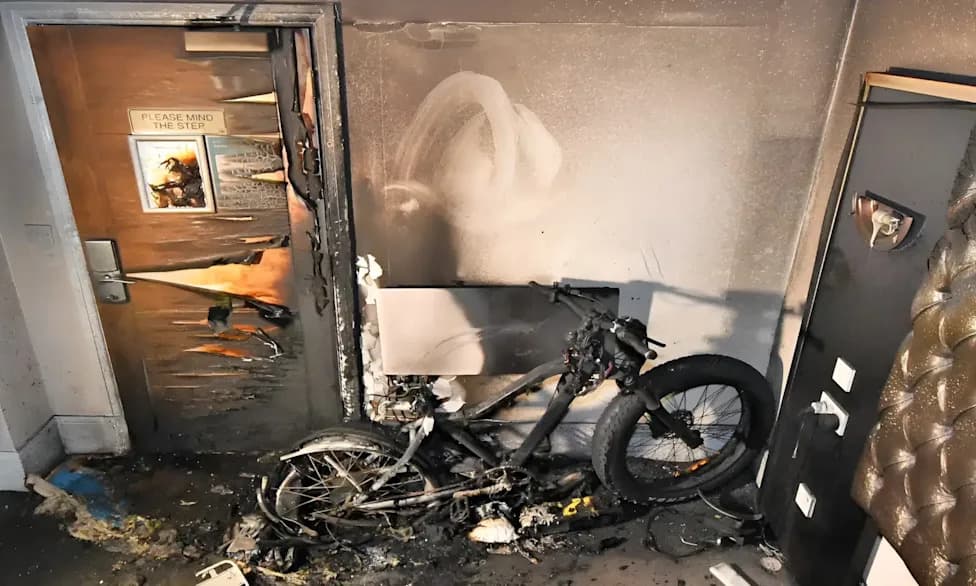
Safety worries were widespread. 82% of parents identified rider injury as a major downside, and 62% were concerned about injuries to pedestrians. Other commonly cited risks included motorists unfamiliar with e-bikes, batteries catching fire while charging, and e-bikes being left on roads or sidewalks.
Parents generally favored targeted safety measures over an outright ban: 80% strongly supported mandatory helmet requirements, 68% favored labels indicating minimum ages for different e-bike types, 63% wanted clearer markings to show where e-bikes should be ridden, and 57% supported safety training. Only 11% strongly supported a full ban.
Where Should E-Bikes Be Ridden?
Many parents were unsure about appropriate riding locations. 45% said they did not know where e-bikes are supposed to be ridden. Among parents who answered: 29% said bike lanes, 11% said sidewalks, 10% said the road edge and 5% said in the same lane as cars.
Asked to compare risks, 65% of parents said a typical teenager on an e-bike is more dangerous than on a conventional bicycle.
How E-Bikes Are Classified
The poll also explained the common three-class system: Class 1 and Class 2 e-bikes provide motor assistance up to 20 mph; Class 3 models assist up to 28 mph. Knowing the class can affect where and how safely a bike should be ridden.
Medical Reporting and Research
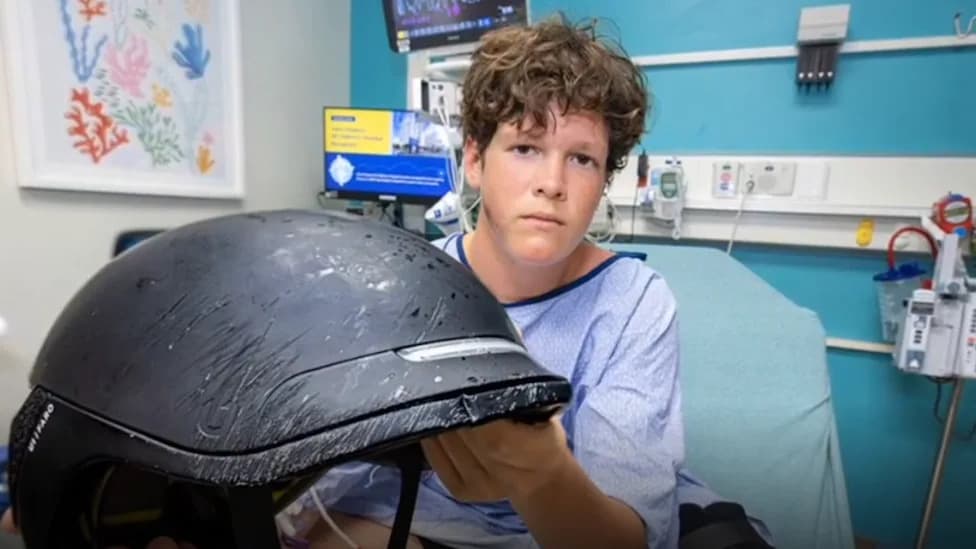
Reporting from WILX 10 quoted pediatric emergency medicine physician Dr. Andy Hashikawa of Michigan Health, who said hospitalization rates involving e-bikes and e-scooters are nearly twice those seen with regular bicycles. Emergency departments are treating lacerations, fractures, bruises, head injuries and significant internal trauma linked to e-bike crashes.
A HealthDay report (March 2026) summarized research presented at the American Academy of Orthopaedic Surgeons meeting showing a substantial rise in e-bike injuries among young riders in San Diego. That study found children in e-bike crashes were more likely to suffer arm or leg injuries and broken bones than those in conventional bicycle crashes.
Expert Recommendations
Health experts recommend using helmets suitable for higher speeds and impacts associated with e-bikes, confirming which class of e-bike is being used, and pursuing age-appropriate training and local rules about where e-bikes are allowed.
Bottom Line
As e-bikes become a more common option for transportation and recreation among teens, parents report limited knowledge and clear concerns about safety and appropriate riding locations. The poll suggests strong parental support for helmets, age labels and clearer riding rules as practical steps to reduce risk.
Help us improve.