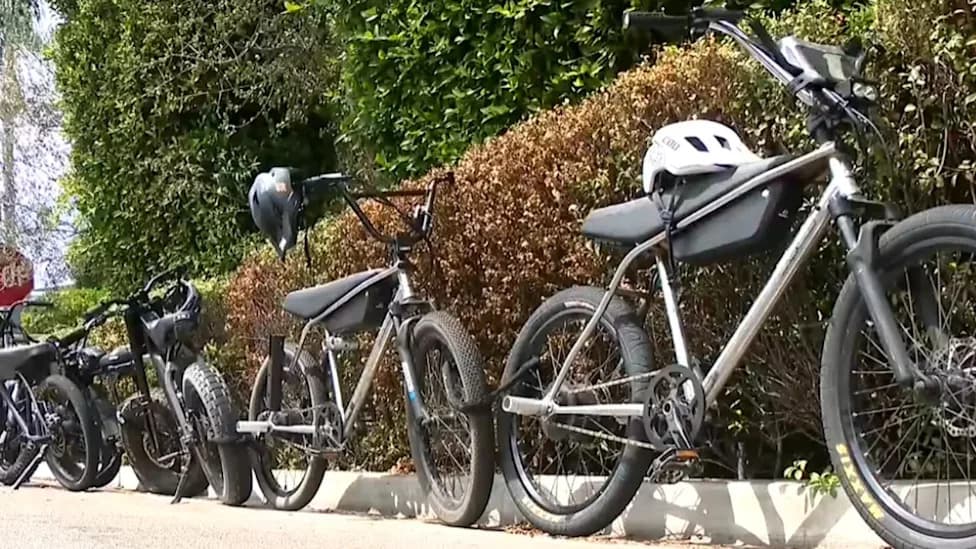
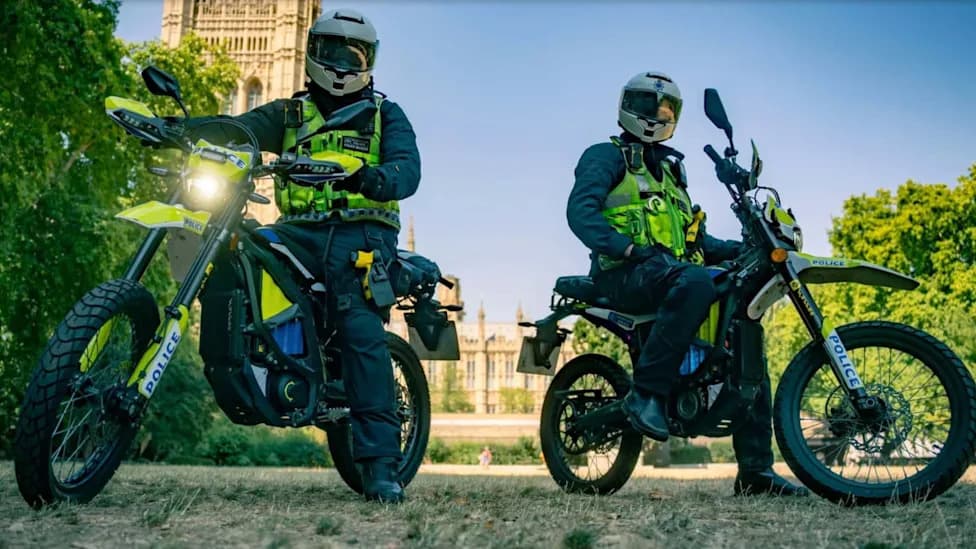
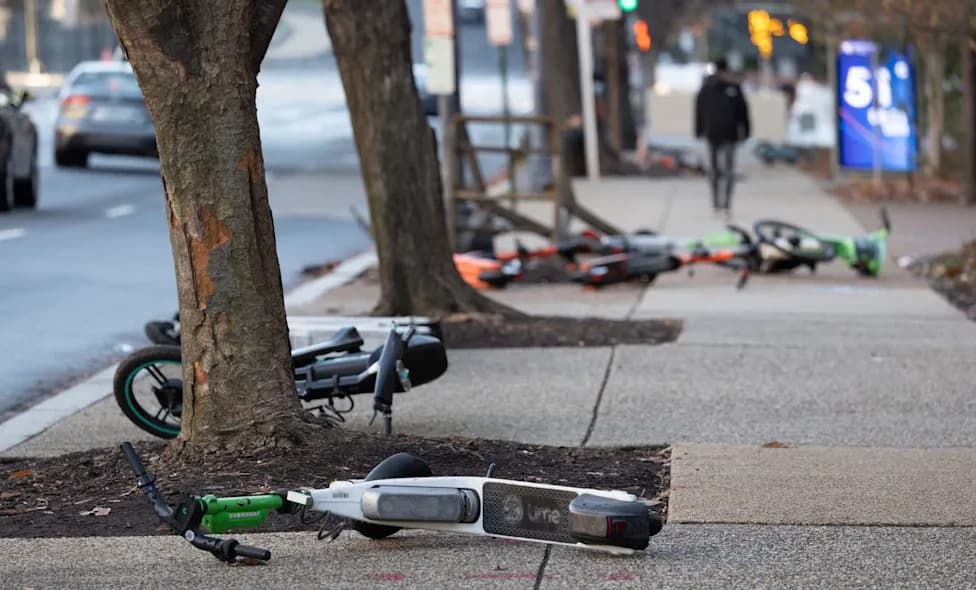
Los Angeles City Council has asked city agencies to propose rules that distinguish true e-bikes from higher-powered electric motos and mopeds. Measures under consideration include bans on selling noncompliant machines, reclassification of modified devices, and requiring M1 motorcycle licenses for some models. Officials cite rising crashes and injuries—especially among younger riders—and say compliant e-bikes are not the primary cause. Recommendations will go through the city’s standard policymaking process.
LA Moves To Reclassify Electric Dirt Bikes — E‑Bike Labeling Under Fire

Segway Xaber 300 Electric Dirtbike
Los Angeles city leaders are drawing a clearer line between legal e-bikes and higher-powered electric two-wheelers after a surge in crashes and injuries among younger riders. The City Council has asked municipal agencies to develop regulatory recommendations for e-bikes, electric motos and electric mopeds, and is weighing measures that would tighten sales rules and require some models to meet motorcycle standards.
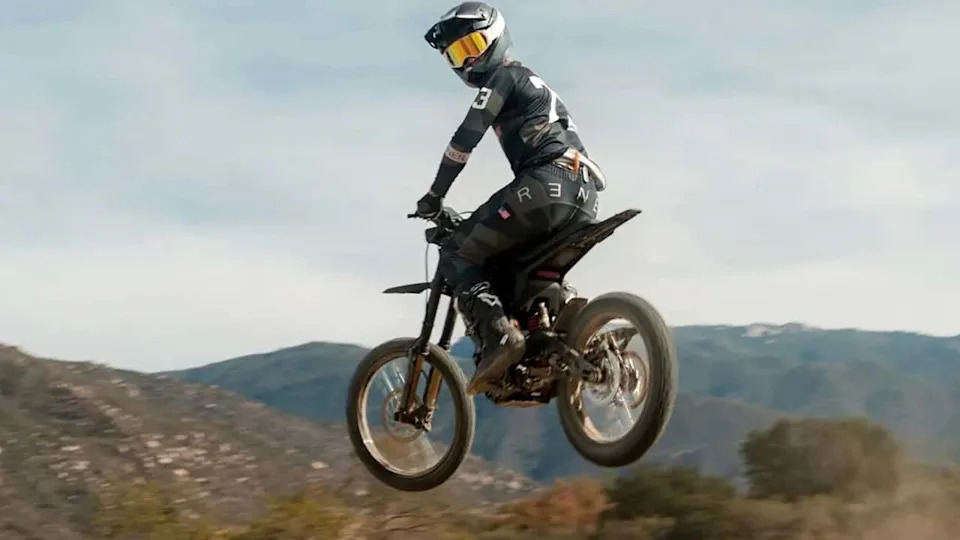
Niu XQi 400 Electric Dirtbike
What the Council Is Considering
The proposals under review go beyond helmets and speed advisories. Ideas include banning the sale or resale of noncompliant devices, reclassifying machines that have been modified into higher-power categories, requiring certain electric motos and mopeds to be sold only as street-legal vehicles, and limiting purchases to buyers with an M1 motorcycle license where appropriate.
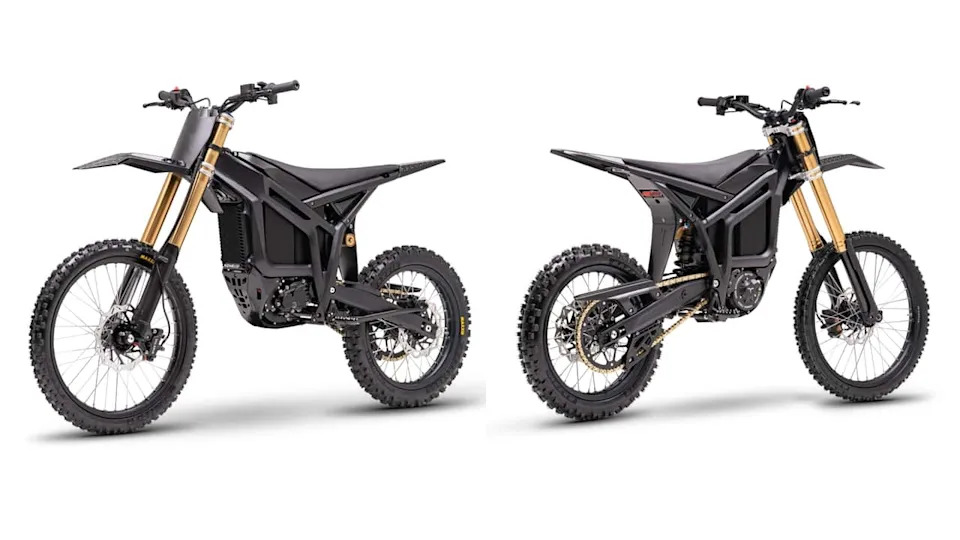
Talaria Unveils the Komodo, Another "Hardcore" Off-Road Electric Motorcycle
Why This Matters
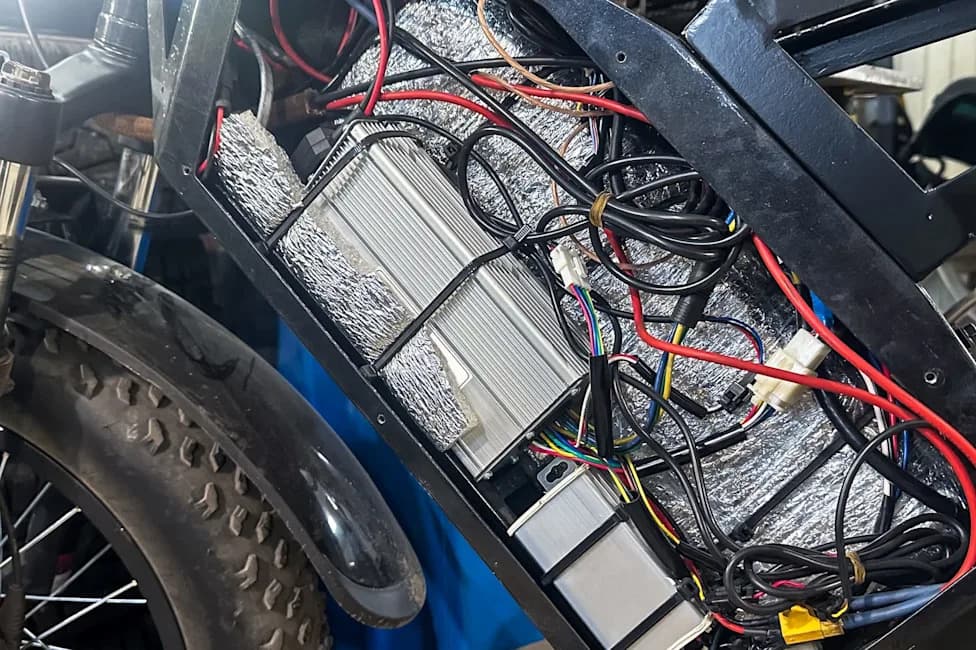
Many lightweight electric dirt bikes occupy a gray area between bicycle and motorcycle: they have throttles, footpegs, long-travel suspension and speeds well above legal e-bike limits. California defines e-bikes in three classes — Class 1 (pedal assist up to 20 mph), Class 2 (throttle or pedal assist up to 20 mph) and Class 3 (pedal assist up to 28 mph). Devices that exceed those limits or lack required street equipment (lights, turn signals, license plates) do not qualify as legal e-bikes simply because owners treat them like bicycles.
Safety Concerns and Industry Impact
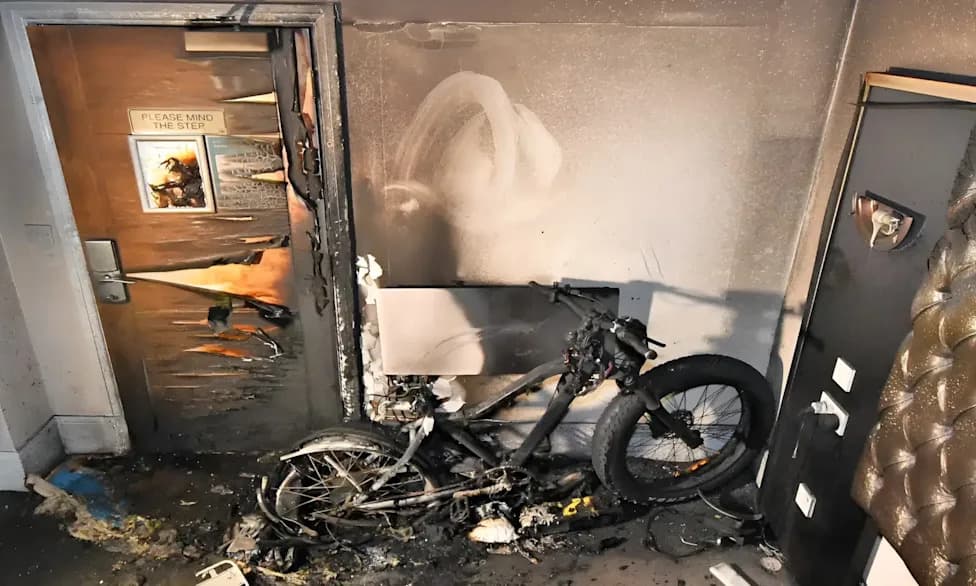
The council's motion notes a rise in collisions, emergency-room visits, head injuries and fractures tied to electric mopeds and motorcycles, particularly among teens. It also says most reported incidents involve illegal or noncompliant devices rather than properly classified e-bikes. Manufacturers and retailers of brands like Sur-Ron, Talaria and E Ride Pro have not been banned — yet — but any new rules could restrict how some models are sold and operated in the city.
Next Steps
City departments and partner agencies will return with formal recommendations for regulation. Any changes would follow the normal municipal policymaking process, which can include public hearings and revisions. The likely outcome: fewer powerful electric motorcycles hiding behind the "e-bike" label and stricter disclosure or sales requirements for machines that effectively require a motorcycle license and street equipment.
Bottom line: If your two-wheeler needs footpegs, turn signals and a license plate, Los Angeles may soon insist it be treated like a motorcycle — not an e-bike.
Help us improve.