Mid‑century freeway revolts reshaped how America builds roads. Protests in San Francisco and the Citizens to Preserve Overton Park lawsuit forced legal and political changes — from California’s 1947 Collier‑Burns Act and the 1956 Interstate policy incentives to Section 4(f) (1966), Section 138 (1968), and the Supreme Court’s 1971 ruling — that established alternatives analysis, environmental review, and judicial oversight. Those measures slow and add cost to big projects but protect parks, neighborhoods, and historic places. The same civic and legal tools now shape modern fights over robotaxis and regulatory power.
How 1960s Freeway Revolts Still Shape U.S. Roads — From Golden Gate Park to Overton Park

The Freeway Revolts of the 1960s Still Dictate How America Builds Roads Today
Every motorist who has watched a promising highway plan stall under the rubric of “further environmental review” owes an unlikely debt to a folk singer in Golden Gate Park and a 342‑acre municipal park in Memphis. Mid‑century anti‑freeway protests were rarely about banning cars. They were popular challenges to unchecked engineering power — state and federal highway agencies that could route multi‑lane expressways through neighborhoods and parks with little public scrutiny. The citizens who pushed back didn’t just win local fights: they rewired the legal and political machinery that still governs where and how roads are built in America.
A Blank Check for Urban Freeways
The policy groundwork for mid‑century freeway expansion arrived early. California’s 1947 Collier‑Burns Act funded freeway construction with a 50% gas‑tax increase and shifted the state highway system toward urban corridors. Nationally, the 1956 Interstate Highway Act reinforced the same incentive: more driving meant more gas‑tax revenue, which encouraged highway departments to push routes straight through downtowns, parks, and established neighborhoods. For much of the 1950s, few civic institutions stood in the way.
San Francisco: Petitions, Songs, and Boardroom Votes
San Francisco’s first true freeway, the Bayshore, opened in October 1953. The state Division of Highways soon proposed an ambitious web of freeways across the city, including a route through the Panhandle and Golden Gate Park and an elevated Embarcadero Freeway along the waterfront. By 1958 construction of the Embarcadero structure was underway — but opposition coalesced rapidly. Neighborhood meetings produced petitions signed by more than 30,000 residents, and in 1959 the Board of Supervisors voted to cancel roughly 75% of the planned city freeway routes.
The Embarcadero elevated ramp was completed to Broadway and remained an unpopular relic until the 1989 Loma Prieta earthquake made its removal politically and practically feasible. The Panhandle fight endured: at a May 17, 1964 rally folk singer Malvina Reynolds debuted the protest song “Cement Octopus,” and poet Kenneth Rexroth spoke against the plan. By October the Board had received 15,000 petition signatures, 20,000 letters and telegrams, and formal opposition from 77 community groups. On October 13, 1964 the Board rejected the Panhandle freeway in a 6–5 vote; when the state revived the plan in 1966 — citing hundreds of millions in federal funds at risk — labor and other groups helped secure a second 6–5 defeat on March 21, 1966.
Overton Park: Courts, Section 4(f), and the 'Hard Look'
Overton Park in Memphis included a zoo, a nine‑hole municipal golf course, an outdoor theater, trails, an art academy, and about 170 acres of forest spread across 342 acres. Federal planners aimed to route Interstate 40 through the park as a six‑lane expressway, which would have destroyed roughly 26 acres and severed the zoo from the rest of the park. Although the Bureau of Public Roads approved the alignment in 1956 and the Federal Highway Administrator reaffirmed it in 1966, Congress had already tightened the rules: Section 4(f) of the Department of Transportation Act (1966) and Section 138 of the Federal‑Aid Highway Act (1968) barred federal funds for a park‑cutting highway unless no "feasible and prudent" alternative existed and required agencies to undertake "all possible planning to minimize harm."
Tennessee purchased the 26‑acre right‑of‑way in September 1969 and the project received final design approval that November — without a written explanation addressing proposed northern or southern alternatives or citizen‑suggested tunneling. Citizens to Preserve Overton Park sued, losing in lower courts, but the Supreme Court granted a stay and heard the case. On March 2, 1971, in Citizens to Preserve Overton Park v. Volpe, the Court sided with the citizens. Writing for the majority, Justice Thurgood Marshall held that agency decisions were reviewable by courts and required a “thorough, probing, in‑depth review,” not mere deference.
“The statutory language and the design of the Administrative Procedure Act contemplate that the reviewing court shall decide whether the action is supported by substantial evidence and otherwise not arbitrary, capricious, or an abuse of discretion.”
Lasting Legacy: Law, Process, and Public Power
The Overton Park decision is the foundation of the administrative‑law “hard look” doctrine and the practical reason why Section 4(f) reviews, Environmental Impact Statements, alternatives analyses, and public comment periods are now routine steps in major transportation projects. These requirements add time and cost — and they give community groups standing to force agencies to justify decisions on the administrative record in court.
San Francisco’s canceled freeways freed up political capital and funding that helped finance BART’s transbay tube, demonstrating another insight: blocking destructive highway projects can reshape a city’s long‑term transportation priorities toward transit and preservation.
Why It Still Matters
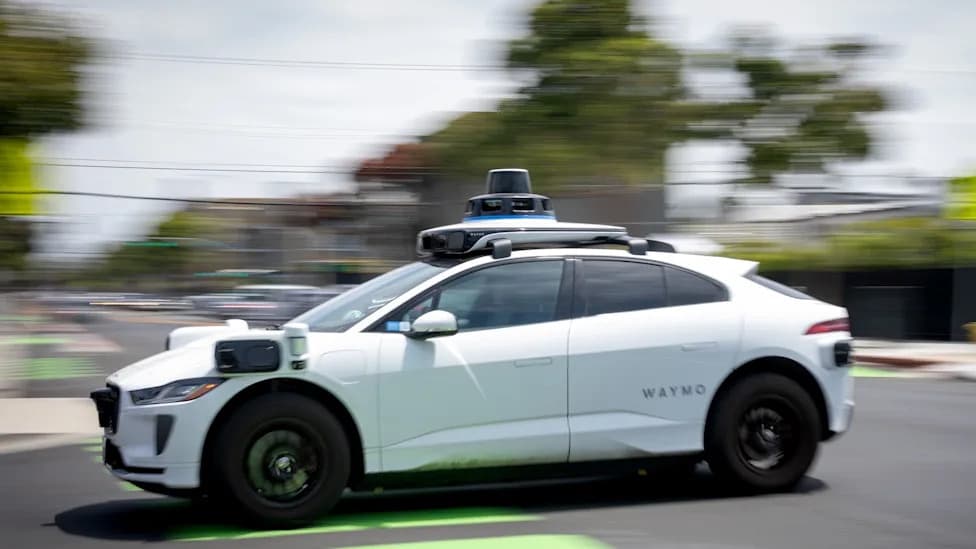
The question that animated those protests — who gets to decide how vehicles move through public space — never disappeared; it migrated. Today the same civic and legal tools are deployed in debates over robotaxis, emissions waivers, and preservation policies. Recent federal‑state fights over California’s emissions waivers echo the same procedural stakes: agencies must make justified, on‑the‑record decisions or risk judicial scrutiny. Organized public pressure can both stop highways and protect the rights of hobbyists, businesses, and others — depending on where civic energy goes.
What This Means For Cities
When a widening, interchange, or bypass disappears into years of review, that delay often reflects deliberate legal protections born of the freeway revolts: agencies must explain why alternatives were rejected and how harm will be minimized. That scrutiny prevents parks, historic main streets, and coastlines from being paved over on the basis of outdated traffic studies — but it also raises construction budgets and schedules. Sixty years after the Panhandle and Overton Park fights, public explanation, alternatives analysis, and judicial review remain the rule for any major roadway or new mobility deployment.
Your Turn: Does your city still carry scars from the freeway‑building era? Tell us about it in the comments.
Help us improve.